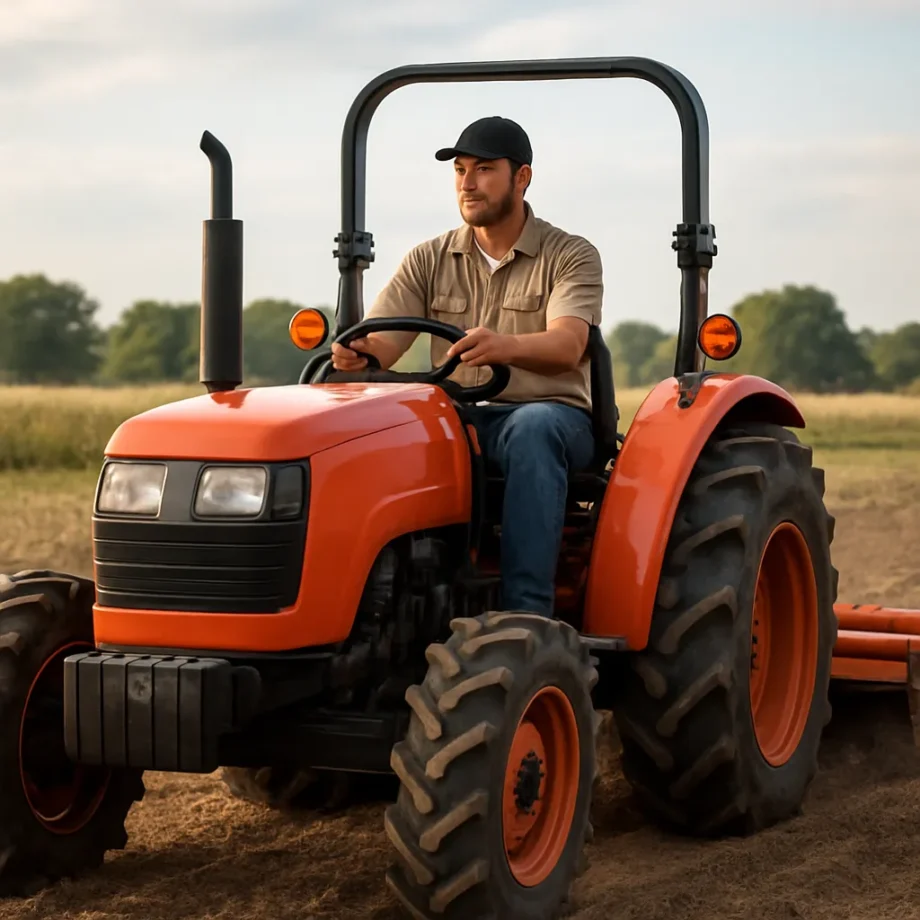
Agricultural machinery is indispensable for modern food production, driving efficiency and enabling farmers to manage vast tracts of land. Among these machines, tractors stand out as the workhorses of the field, capable of towing implements, tilling soil, and transporting loads. However, the power and versatility of these vehicles come with inherent risks that demand strict adherence to safety protocols. This article explores best practices for safe tractor operation, covering pre-operation checks, driving techniques, technological advancements, and regulatory considerations.
Safe Tractor Operation Overview
Tractors vary in size, horsepower, and configuration, ranging from compact models to high-horsepower units with enclosed cabs. Despite these differences, all tractors share common hazards: rollovers, runovers, entanglement in power take‐off (PTO) shafts, and collisions. To minimize these dangers, operators must develop a strong safety mindset and maintain a comprehensive understanding of their machine’s capabilities and limitations.
- Rollover Protection Structures (ROPS): Always ensure your tractor is equipped with a certified ROPS frame or cab, which can prevent fatal injuries during a tip‐over.
- Seat Belts: Use the seat belt every time if your tractor has ROPS installed—this critical restraint keeps you within the protective zone.
- PTO Guards: Never operate a PTO shaft without its protective shield in place; entanglement injuries occur when clothing or limbs contact unguarded rotating parts.
- Lighting and Visibility: Maintain working lights and reflective markings when operating near roads or during low-light conditions to reduce collision risk.
Pre-Operation Checks and Regular Maintenance
Proper maintenance and routine inspection are vital to safe tractor operation. A minor mechanical failure at the wrong moment can lead to severe accidents. Before starting work, perform these checks:
- Fluid Levels: Verify engine oil, hydraulic fluid, coolant, and fuel. Leaks or low levels can cause overheating and loss of power.
- Tire Condition and Pressure: Inspect for cuts, bulges, or uneven wear. Correct tire inflation ensures stability and optimal traction on varied terrain.
- Brakes and Steering: Test functionality in a controlled area. Responsive brakes and smooth steering are indispensable for maneuvering around obstacles.
- Hitch and Hitch Pins: Check hitch points for cracks or deformation. Secure all pins with linchpins or retaining clips to prevent unintended implement detachment.
- Electrical System: Examine battery terminals, wiring harnesses, and fuses. Faulty connections can lead to sudden power loss and stranded equipment.
In addition to daily checks, follow the manufacturer’s service intervals for oil changes, filter replacements, and component rebuilds. A well-maintained machine reduces downtime and enhances reliability.
Safe Driving Techniques and Maneuvers
Speed Management and Terrain Navigation
Operating at appropriate speeds is crucial. Excessive velocity on slopes or uneven ground can trigger rollovers. Observe these guidelines:
- Reduce speed before making turns; high cornering speeds shift the center of gravity outward, risking tip‐overs.
- When climbing or descending slopes, drive straight up or down whenever feasible. Diagonal movements increase side‐tilt forces.
- Be mindful of soil conditions—wet or loose soil diminishes traction and can cause slides or stalls.
Implement Attachment and Detachment
Connecting implements requires precision and caution. Follow safe procedures:
- Park on level ground, apply the parking brake, and shut off the engine before hitching or unhitching.
- Use blocks or stands to support heavy implements when disconnected.
- Align the tractor drawbar with the implement tongue, engaging the hitch pin and securing safety clips.
Field Obstacle Awareness and Avoidance
Fields often contain hidden hazards: irrigation ditches, stumps, rocks, and debris. Operators should:
- Conduct a walk-around inspection of the field when possible, marking or removing obstacles.
- Maintain a safe distance from excavation edges and dikes to prevent ground collapse under the tractor’s weight.
- Communicate with ground personnel using standard hand signals or two-way radios to avoid runovers.
Advanced Technologies in Agricultural Machinery
Modern tractors integrate cutting-edge systems that enhance productivity and safety:
- GPS Guidance and Auto-Steer: Precision steering systems reduce operator fatigue and ensure consistent field patterns, lowering overlap and minimizing operator distractions.
- Telematics and Remote Monitoring: Real-time data on engine performance, fuel consumption, and location allow farm managers to detect anomalies early and schedule proactive maintenance.
- Collision Avoidance Systems: Some models feature radar or ultrasonic sensors to warn operators of nearby obstacles or pedestrians.
- Autonomous Operation: Emerging self-driving tractors follow preprogrammed paths, performing repetitive tasks with minimal human input. While promising, these systems require rigorous site mapping and fail-safe protocols.
Integrating these technologies demands operator training, as misconfiguration or overreliance on automation can lead to complacency and increased risk.
Training, Certification, and Regulatory Compliance
Competent operators are the first line of defense against accidents. Farms should implement structured training programs and adhere to government regulations:
- Operator Training Courses: Comprehensive courses cover machine controls, maintenance, hazard recognition, and emergency procedures. Practical, hands-on sessions reinforce theoretical knowledge.
- Certification Requirements: Some jurisdictions mandate specific licenses for high-horsepower tractors or specialized equipment. Verify local regulations to ensure legal compliance.
- Standard Operating Procedures (SOPs): Documented SOPs for common tasks—plowing, baling, spraying—standardize safe practices across all operators.
- Incident Reporting and Analysis: Encourage prompt reporting of near misses and accidents. Analyze root causes to implement corrective measures and prevent recurrence.
Promoting a culture of safety involves regular refresher training, toolbox talks, and visible leadership commitment. When everyone on the farm values hazard awareness and open communication, the likelihood of accidents diminishes significantly.