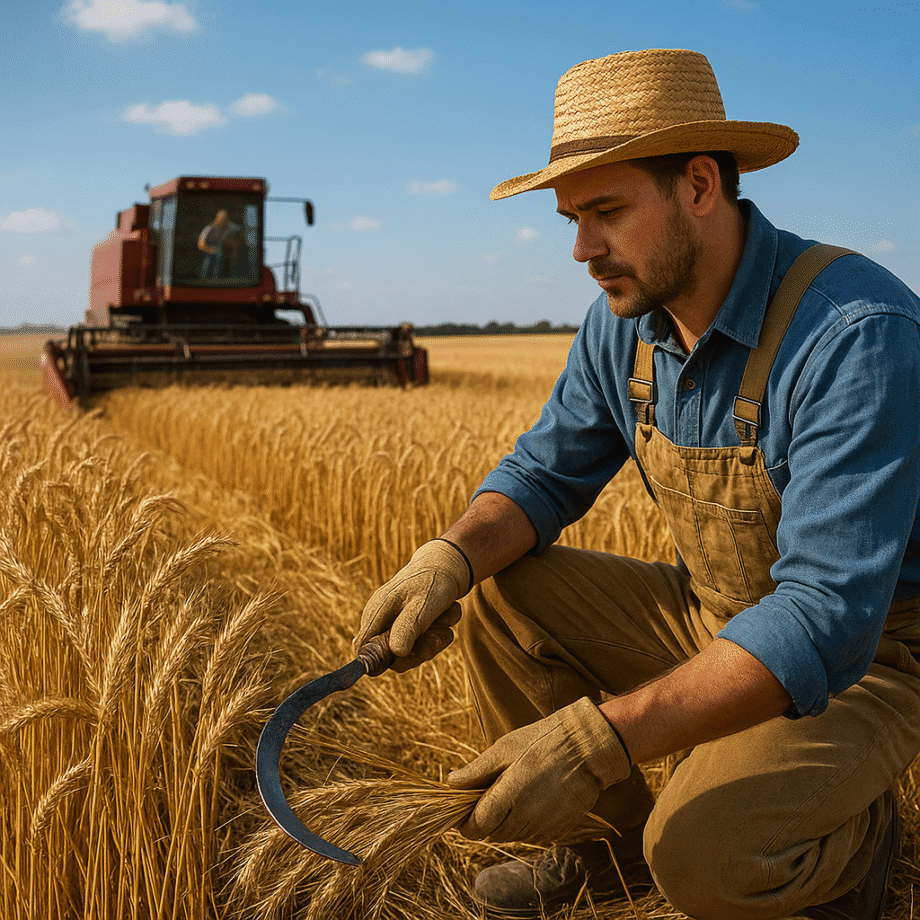
Modern agriculture relies heavily on robust machinery to boost efficiency and maximize yield. By integrating advanced technologies, farmers can optimize field operations, reduce waste, and enhance overall productivity. This article explores key aspects of agricultural equipment, from high-performance harvesters to precision-driven automation, offering insights into best practices and emerging innovations for sustainable growth.
Advanced Combines and Harvesters
Today’s combines and harvesters are engineered to handle a wide range of crops with unparalleled speed and reliability. Modern machines feature adjustable headers, threshing systems, and grain-handling components designed to minimize grain losses and optimize throughput. The integration of adaptive concave clearance and rotor speed controls allows operators to adjust settings on the fly, ensuring maximal separation and grain quality across varying crop conditions.
Key Technologies in Harvesters
- Variable-Rate Feeding: Sensors monitor crop density and automatically adjust feed rates to maintain consistent performance.
- Auto-Steer Systems: GPS-guided steering reduces overlap and ensures precise passes, cutting fuel and time costs.
- High-Capacity Grain Tanks: Larger tank volumes minimize unloading stops, improving overall field efficiency.
- Residue Management: Integrated choppers and spreaders distribute straw evenly, supporting soil health and residue decomposition.
In-field data collection modules can record grain moisture, loss metrics, and yield maps. This information serves as a foundation for continuous improvement, enabling growers to make data-driven decisions for subsequent planting seasons.
Tractor Innovations and Specialized Attachments
Tractors are the workhorses of the farm, and recent advancements focus on comfort, fuel savings, and precise control. Modern tractors come equipped with regenerative braking, smart-hybrid drives, and multi-speed transmissions to match diverse operational demands. Ergonomic cabs featuring climate control and advanced displays reduce operator fatigue during long hours.
Essential Attachments for Maximum Utility
- Planters and Seeders: Variable-depth planters ensure uniform seed placement, promoting consistent germination.
- Smart Sprayers: Section-control nozzles prevent over-application and drift, conserving chemicals and protecting the environment.
- Rotary Tillers: High-torque rotary tillers prepare seedbeds efficiently, breaking compacted soil layers for better root growth.
- Bale Wrappers and Balers: Automated bale size adjustment and wrap tension controls maintain bale quality and reduce manual intervention.
Connectivity features allow tractors to link seamlessly with farm management software. Real-time telemetry provides insights into fuel consumption, engine performance, and operational status, facilitating preventive maintenance and minimizing downtime.
Precision Agriculture and Automation
Adopting precision agriculture practices transforms conventional farming into a highly data-centric endeavor. Drones, satellite imagery, and ground-based sensors gather critical information on soil moisture, nutrient levels, and crop health. When integrated with farm management platforms, this data guides targeted interventions and variable-rate applications.
Drones and Aerial Monitoring
- Multispectral Cameras: Capture NDVI and other indices to detect stress, nutrient deficiencies, and pest infestations early.
- Automated Flight Planning: Preprogrammed waypoints ensure thorough field coverage and repeatable data collection.
- Precision Spraying Drones: Deliver spot treatment for weeds and pests, reducing chemical usage and environmental impact.
IoT Sensors and Soil Probes
- Soil Moisture Sensors: Provide real-time feedback on irrigation needs, preventing waterlogging or drought stress.
- Nutrient Detection Probes: Measure pH and nutrient availability, allowing for precise fertilizer placement.
- Weather Stations: Localized climate data feeds into predictive models, optimizing planting and harvesting windows.
By integrating these systems, farmers can achieve continuous monitoring and automated decision-making, leading to more consistent yields and resource sustainability.
Maintenance, Durability and Safety Measures
Well-maintained machinery ensures uninterrupted field operations and prolongs equipment life. Establishing a rigorous maintenance schedule, based on hours of operation and environmental exposure, is vital for reliability and safety.
Routine Inspection Checklist
- Fluid Levels: Regularly check engine oil, hydraulic fluid, coolant, and gearbox lubricants.
- Filter Replacement: Air, fuel, and hydraulic filters should be replaced according to manufacturer guidelines.
- Wear Parts: Inspect belts, chains, bearings, and cutting blades for signs of wear or damage.
- Electrical Systems: Test battery health, wiring harnesses, and lighting for optimal performance.
Safety Protocols
- Operator Training: Ensure every driver is certified in equipment operation and emergency procedures.
- Protective Guards: Install shields around moving parts to reduce risk of injury.
- Roll-Over Protection: ROPS and seat belts must be in place and used consistently.
- Fire Suppression Systems: Mobile extinguishers or automatic systems can prevent catastrophic damage.
Documenting maintenance activities and safety checks not only enhances machine performance but also supports insurance requirements and regulatory compliance.
Future Trends and Sustainable Practices
Looking ahead, the agricultural sector is embracing automation and digital solutions to achieve net-zero emissions and resource optimization. Electric and hydrogen-powered machinery are entering test fields, offering reduced carbon footprints and lower operating costs. Meanwhile, circular economy principles encourage reuse of crop residues and by-products to produce bioenergy.
Robotic Harvesters and AI-driven Platforms
- Fully Autonomous Machines: Robots equipped with machine learning algorithms can identify ripe produce and harvest selectively.
- Swarm Technology: Cooperative fleets of small robots work together to cover large areas efficiently.
- Edge Computing: On-board processors analyze data in real time, enabling split-second adjustments during operations.
Biofuels and Renewable Energy Integration
- On-Farm Biogas Plants: Convert crop residues and livestock manure into methane for power generation.
- Solar-Assisted Irrigation: Photovoltaic panels paired with smart pumps deliver water precisely when needed.
- Compressed Natural Gas (CNG) Tractors: Offer cleaner combustion and lower greenhouse gas emissions.
By combining technological progress with ecological stewardship, farmers can secure higher yields, reduce operating expenses, and preserve natural resources for future generations. Embracing these forward-looking strategies is key to meeting global food demands in a resilient, sustainable manner.