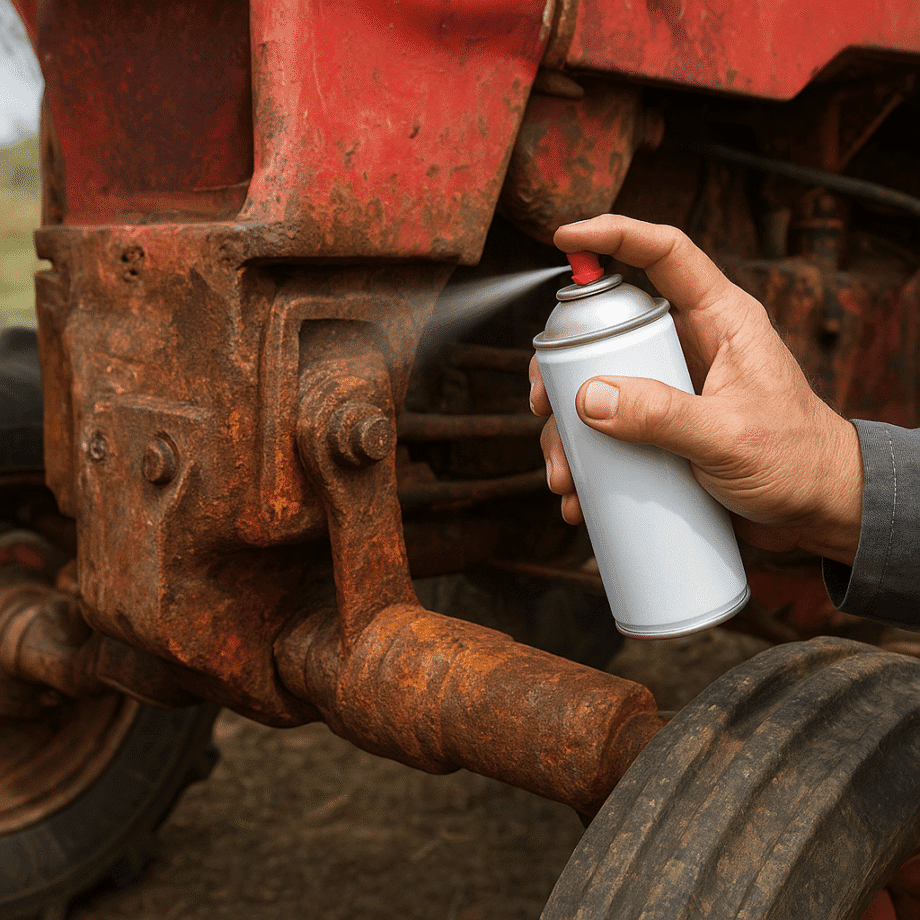
Farm equipment is vital for modern agriculture, enabling farmers to maximize productivity and maintain efficient operations. Proper care of these machines extends their service life, minimizes downtime, and protects substantial investments. This article explores strategies to safeguard your agricultural machinery from rust and corrosion, ensuring peak performance through diligent upkeep, suitable materials, and advanced protective methods.
Understanding Corrosion on Farm Machinery
Corrosion results from chemical reactions between metals and their surrounding environment, especially under adverse environmental conditions. Farm machines constantly face moisture from rain, irrigation, and dew, along with abrasive particles like soil, fertilizer, and pesticides. Over time, these factors accelerate oxidation, leading to pitting, flaking, and weakening of structural components.
Types of Corrosion
- Uniform Corrosion – General surface degradation often seen on exposed metal panels.
- Galvanic Corrosion – Occurs when dissimilar metals contact each other in the presence of an electrolyte, such as muddy water.
- Pitting Corrosion – Localized attack creating small cavities or “pits” that can cause stress fractures.
- Crevice Corrosion – Develops in shielded areas where moisture and chemicals concentrate, such as joints and bolted connections.
Understanding these mechanisms highlights why routine monitoring and targeted interventions are essential to prevent structural failures and costly repairs.
Essential Maintenance Practices
Consistent maintenance serves as the backbone of any successful corrosion prevention program. A disciplined schedule reduces the onset of deterioration, ensuring that all components remain in optimal condition.
Regular Inspection
Planned inspection of your fleet is crucial. Check hydraulic hoses, metal welds, and exposed frames for early signs of corrosion. Use visual assessments and simple tools like moisture meters to detect problematic spots before they worsen.
Cleaning and Surface Preparation
Frequent cleaning prevents the buildup of corrosive agents. After each use, wash machinery with low-pressure water to remove dirt, chemicals, and plant residues. For stubborn deposits, apply mild detergents and biodegradable solvents. Rinse thoroughly and let components dry completely to avoid trapped moisture in critical areas.
Lubrication and Rust Inhibitors
Applying high-quality lubrication protects moving parts from friction and moisture ingress. Utilize greases and oils designed for outdoor use and high humidity. Incorporate dedicated rust inhibitors periodically, especially before storage or during long idle periods, to create a barrier against oxidation.
- Grease fittings on bearings, pivots, and slide rails monthly.
- Apply corrosion-resistant oil to chains, gears, and unpainted surfaces.
- Use spray-on inhibitors for hard-to-reach crevices and cavities.
Protective Coatings and Material Selection
Investing in the right protective coatings and selecting corrosion-resistant materials can dramatically boost the equipment longevity of farm machines. Tailoring these solutions to specific components pays off in the long term.
Painting and Powder Coating
High-quality industrial paints and powder coatings offer robust defense against weathering, abrasion, and chemical exposure. Ensure the surface is free of rust and oils before application. Consider primers containing zinc or epoxy resins for enhanced adhesion and barrier protection.
Galvanization and Anodizing
- Hot-dip galvanization coats steel parts with a durable layer of zinc, ideal for plows, cultivator frames, and chassis components.
- Anodizing aluminum alloys increases corrosion resistance and surface hardness, suitable for lightweight implements.
These metallurgical processes extend durability in harsh conditions where paint alone may not suffice.
Stainless Steel and Composite Materials
Where budget permits, choose material selection based on inherent corrosion resistance. Stainless steel fasteners, fittings, and wear plates resist rust without additional coatings. Composite and polymer components offer immunity to oxidation, making them ideal for non-load-bearing parts like guards and covers.
Advanced Care and Storage Solutions
Beyond routine upkeep and protective finishes, advanced care strategies can thwart environmental threats before they reach metal surfaces.
Climate-Controlled Storage
Indoor storage shields machines from rain, snow, and extreme temperature fluctuations. If possible, maintain humidity levels below 50 percent. For large equipment, portable shelters or open-ended sheds allow ventilation while providing overhead protection.
Use of Desiccants and Moisture Control
In enclosed trailers and small workshops, place moisture-absorbing desiccant packets near sensitive electronics, hydraulic valves, and toolboxes. Silica gel and clay-based desiccants help reduce airborne moisture that can condense on metal surfaces.
Seasonal Shutdown Procedures
- Drain fuel and hydraulic fluids before extended storage to prevent microbial growth.
- Run engines periodically to circulate oil and verify system integrity.
- Cover equipment with breathable, water-resistant tarps to block precipitation while allowing moisture escape.
Implementing a winterization or dry-season protocol ensures machinery remains in standby condition, ready for rapid deployment when needed.
Conclusion of Best Practices
Combining diligent inspections, targeted preventive measures, and advanced protection methods significantly reduces the impact of corrosion on farm machinery. By integrating the right coatings, optimizing storage, and embracing regular upkeep, farmers safeguard their assets and secure reliable performance across seasons.