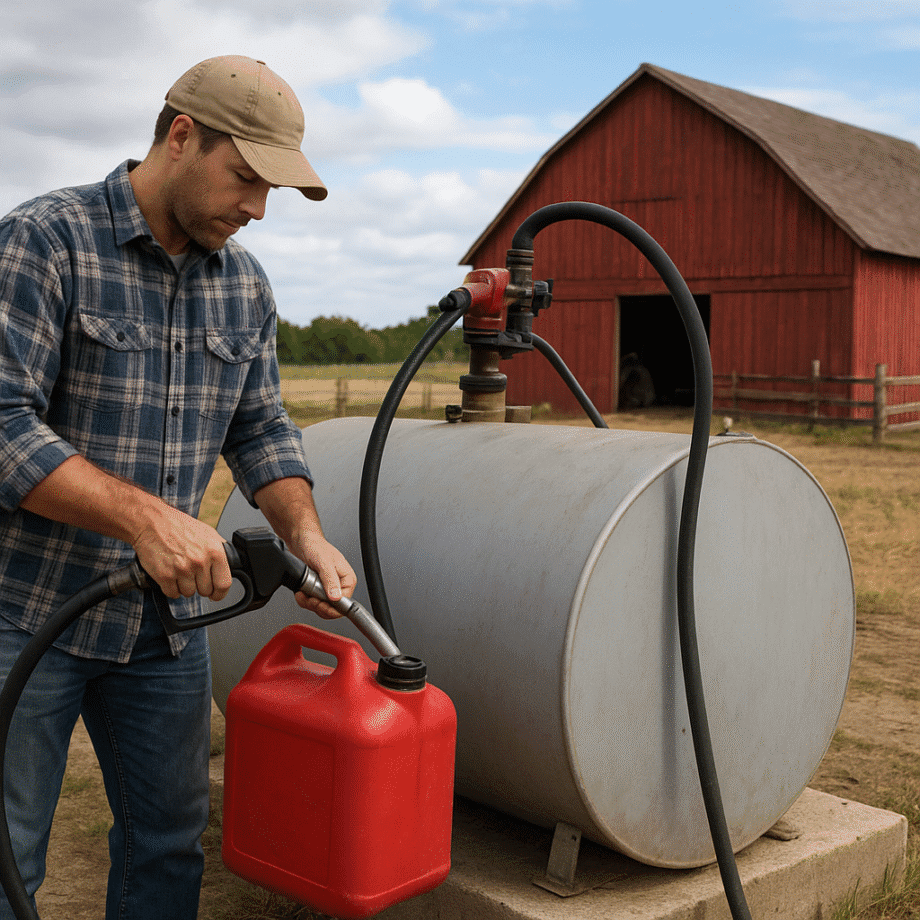
Managing fuel storage on a farm demands a systematic approach to prevent accidents, environmental damage, and operational downtime. Agricultural machinery relies heavily on safe, reliable access to fuel. This article examines key aspects of storing diesel, gasoline, and biofuels on-site, offering guidelines for choosing durable tanks, conducting routine checks, and equipping staff with proper safety procedures.
Understanding Fuel Storage Fundamentals
Farmers must recognize that stored fuel presents multiple hazards, from fire risks to soil and water contamination. Different fuel types—diesel, gasoline, biodiesel—each have unique chemical properties affecting volatility and shelf life. Diesel is less flammable but more prone to microbial growth inside tanks, while gasoline evaporates rapidly and forms explosive mixtures with air. Biodiesel blends can attract water, increasing corrosion potential. Managing these fuels requires a balance of temperature control, adequate ventilation, and moisture prevention to preserve quality and minimize risks.
Proper location selection plays a vital role. Tanks should be placed on level, impermeable surfaces such as reinforced concrete pads. This minimizes settlement and eases spill containment. Positioning also influences fire safety: maintaining clearances from building walls, overhead power lines, and property boundaries helps meet local regulations. Signage indicating “No Smoking” zones around storage areas further reduces ignition sources.
Choosing the Right Equipment
Selecting high-quality equipment reduces long-term maintenance and improves safety margins. Key factors include tank material, capacity, and design features that support spill control and leak detection.
Tank Material and Design
- Steel Tanks: Durable and widely available, steel storage tanks require protective coatings or anodes to resist rust. Choosing corrosion-resistant alloys extends service life.
- Fiberglass Tanks: Naturally immune to rust, these tanks are lightweight and easier to install. However, they may crack under heavy impact or UV exposure if not UV-stabilized.
- Double-Walled Construction: Provides built-in secondary containment by enclosing an inner fuel tank within an outer shell, allowing leak detection in the interstitial space.
Pumps, Piping, and Accessories
- Self-Priming Pumps: Designed for repeated use with minimal air lock issues, ensuring consistent fuel flow even at low dashpot pressures.
- Approved Hoses and Fittings: Use hoses rated for specific fuel types and rated pressure. Employ quick-disconnect couplings with integrated vapor recovery when required by law.
- Automatic Shutoff Nozzles: Prevent overfilling by sensing backpressure at the nozzle tip, automatically halting fuel flow.
Safety Protocols and Procedures
Implementing rigorous safety protocols is essential to minimize fuel-related emergencies. Assign a trained individual or team to oversee daily operations and ensure compliance with industry standards.
- Inspection: Conduct visual checks for leaks, corrosion, or damaged seals at least weekly. Document results and repair any issues immediately.
- PPE Requirements: Equip personnel with flame-resistant coveralls, chemical-resistant gloves, and safety glasses. Provide training in handling and disposing of contaminated absorbents.
- Grounding and grounding: When transferring fuel, connect all metal parts to a low-resistance ground to prevent static buildup. Bonding hoses to tanks equalizes electrical potential and reduces spark formation.
- Fire Extinguishers: Position Class B extinguishers near storage areas, regularly testing them per manufacturer guidelines.
- Signage and Barriers: Post clear hazard warnings, traffic flow arrows, and speed limit signs to avoid collisions near fuel tanks.
Maintenance and Emergency Preparedness
Ongoing maintenance ensures that storage systems remain functional and safe over time. Routine procedures and emergency drills prepare staff to respond effectively to spills or leaks.
Regular Maintenance Schedule
- Monthly Leak Tests: Use electronic sensors or high-precision gauges to detect minute fuel losses through tank walls or pipe joints.
- Filter Replacement: Change inline filters every 3–6 months, depending on usage levels, to prevent injector blockages in machinery.
- Sump Cleaning: Drain water and sludge from tank sumps and pump housings seasonally to avoid microbial buildup that could clog lines.
Developing a Spill Response Plan
Rapid, coordinated action is critical when a spill occurs. Assemble a spill kit containing absorbent pads, booms, neutralizing agents, and disposal bags. Train staff in containment techniques:
- Deploy booms or berms immediately to prevent fuel from reaching drains or soil.
- Use absorbents to soak up liquid hydrocarbons, then sweep the waste into sealed containers labeled for hazardous disposal.
- Notify local environmental authorities if a spill exceeds regulatory thresholds. Maintain incident logs for legal compliance and future training.
Fire Prevention and Control
- Eliminate Open Flames: Ban welding, cutting, or any hot work within 50 feet of fuel storage units.
- Install Flame Arrestors: Fit tanks with burst discs or flame arrestors on vent openings to block flashback during accidental ignition.
- Conduct Regular Drills: Simulate fire scenarios quarterly, reviewing evacuation routes, communication protocols, and extinguisher usage.
Adherence to these guidelines fortifies a farm’s resilience against fuel-related threats. By choosing robust tanks, enforcing strict procedures, and conducting continuous spill response training, farm managers can protect personnel, safeguard equipment, and uphold environmental stewardship.