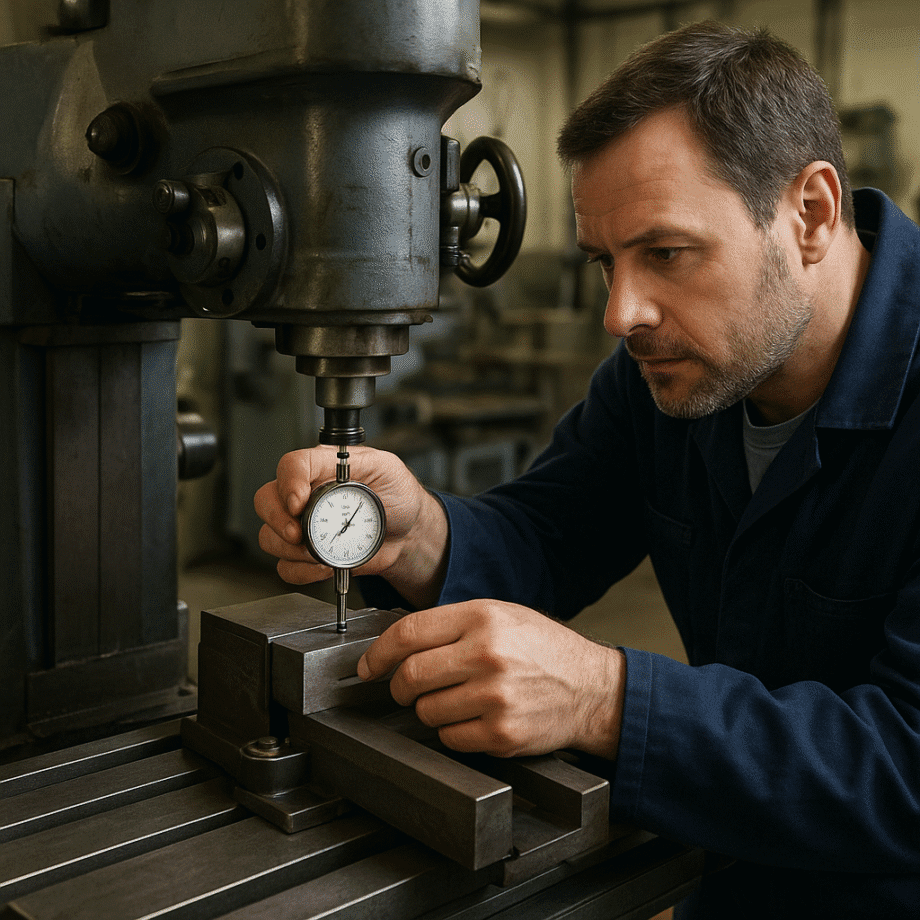
Achieving peak performance in modern agriculture depends heavily on the meticulous calibration of heavy-duty equipment. Farmers and technicians strive to calibrate tractors, planters, and sprayers with unwavering precision to protect crops, reduce waste, and deliver consistent yields. This article delves into the essential techniques, tools, and best practices for aligning critical components, fine-tuning sensor outputs, and maintaining optimal machinery function throughout the planting and harvesting seasons.
Calibration Basics for Field Machinery
Every successful calibration process begins with a clear understanding of core mechanical and electronic subsystems. Whether setting up a seeder or adjusting a fertilizer spreader, it’s vital to establish baseline readings and verify factory settings before making any adjustments. Misaligned equipment can lead to uneven application, wasted resources, and crop damage. By focusing on the following pillars, operators can ensure reliable, repeatable results across various soil types and environmental conditions:
- Documentation Review: Consult manufacturer manuals and calibration guides to identify target ranges and critical tolerances.
- Leveling and Positioning: Ensure that frames, booms, and toolbars sit on level ground to prevent skewed readings and uneven distribution.
- Weight Distribution: Balance mounted implements to avoid excessive wear on tires, bearings, and hydraulic systems.
- Baseline Measurements: Record initial flow rates, pressure levels, and sensor outputs before introducing any field variables.
Prioritizing these fundamental actions helps maintain consistent accuracy across operations. Even small deviations—such as a clogged nozzle or loose hitch pin—can compromise overall efficiency and elevate operational costs.
Sensor and Actuator Alignment
Electronic guidance systems and automatic control loops have transformed modern farming by delivering centimeter-level steering and variable-rate application. Ensuring flawless alignment between sensors and actuators is crucial for maximizing the benefits of precision agriculture technology. A minor misalignment can cause drift during field passes, leading to overlapping or missed swaths that reduce crop uniformity.
Understanding Sensor Types
Common sensing devices in agricultural machinery include GPS receivers, optical row sensors, flow meters, and moisture probes. Each type demands specific calibration routines:
- GPS Receivers: Record satellite signal strength and perform auto-calibration routines at the start of each workday. Verify offset parameters if using RTK corrections.
- Flow Meters: Attach inline to hydraulic lines or cooling circuits. Flush the system to remove debris, then measure volumetric output at known RPM settings.
- Optical Row Sensors: Clean lenses and test under varying light conditions. Adjust threshold values to distinguish plant tissue from soil.
- Moisture Probes: Insert into representative soil zones. Compare sensor readings with lab moisture tests to derive a calibration curve.
Alignment extends to mechanical linkages as well. Grease fittings, pivot points, and gearboxes require inspection to ensure minimal backlash. Calibrate hydraulic rams and electronic actuators by running full travel cycles and recording response times. Consistent feedback loops between command signals and actuator motion maintain steady performance even in rugged terrain.
Advanced Calibration Techniques
Once foundational steps are complete, technicians can employ advanced techniques to optimize precision settings under real-world conditions. These methods often integrate data analytics, machine learning insights, and remote monitoring platforms to drive continuous improvement.
- Yield Mapping and Data Review: Collect GPS-tagged yield data during harvest. Perform statistical analysis on variations, then correlate anomalies with calibration offsets.
- Variable-Rate Prescriptions: Use soil nutrient maps and moisture profiles to generate prescription files. Test-run smaller plots and validate actual versus planned application volumes before scaling up.
- Machine-to-Machine Synchronization: Network multiple units via ISOBUS or proprietary interfaces to coordinate simultaneous operations. Calibrate each machine’s time-stamp and communication latency to prevent conflicts.
- Remote Diagnostics: Leverage telematics platforms to stream sensor diagnostics. Adjust calibration parameters on-the-fly while units are active in the field.
Data-driven calibration enables farmers to refine seeding depth, fertilizer rates, and pesticide applications with unprecedented specificity. This iterative process boosts resource utilization rates and safeguards the environment from excessive chemical runoff.
Maintenance and Continuous Monitoring
Calibration is not a one-time task; it requires ongoing maintenance and periodic reassessment to stay ahead of wear, environmental changes, and component drift. Establish a routine service schedule to inspect critical systems, replace worn parts, and retest calibration settings.
- Daily Walkarounds: Check tire pressure, visual alignment marks, and fluid levels. Clear debris from sensors and nozzles.
- Weekly Calibration Checks: Run quick calibration tests on seeding meters and sprayer pumps. Compare actual output against target values and log discrepancies.
- Seasonal Overhauls: At the start and end of each season, perform deep inspections of hydraulic hoses, electrical connectors, and gear train tolerances.
- Record Keeping: Maintain detailed calibration logs that record date, operator, calibration values, and environmental conditions.
By embedding these practices into daily farm routines, operators can preserve high standards of accuracy and precision. Consistent monitoring not only extends the lifespan of expensive equipment but also safeguards yields by ensuring that every pass through the field meets exacting specifications.