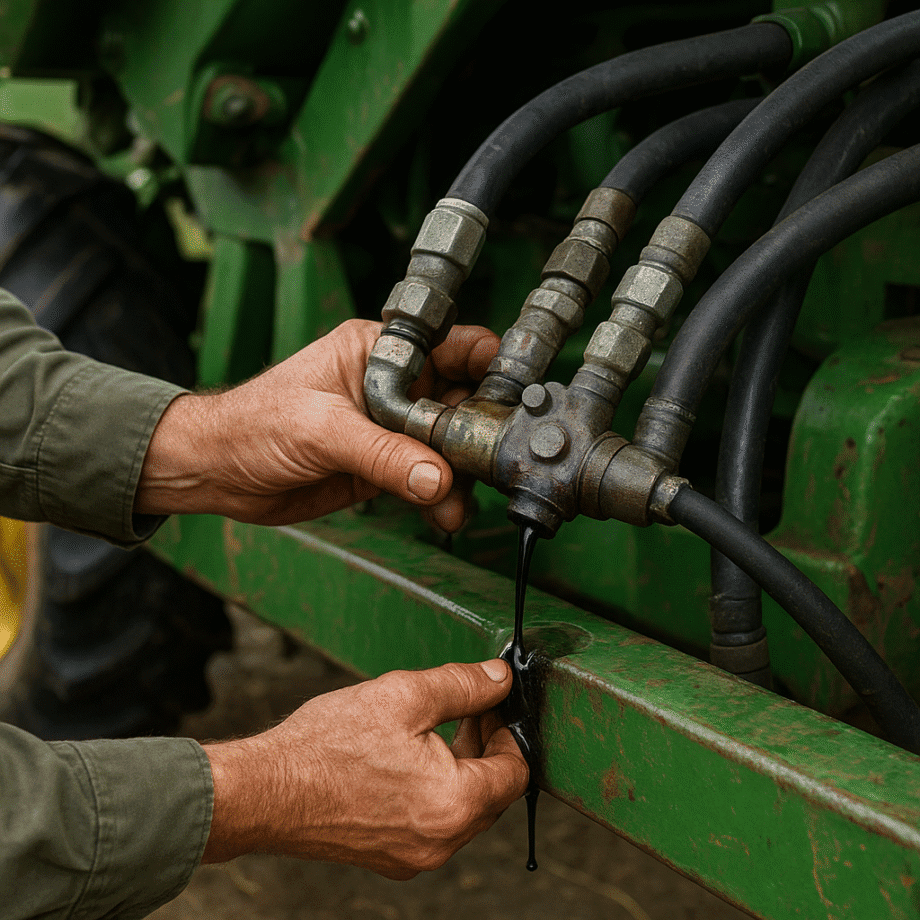
Agricultural machinery serves as the backbone of modern farming operations, driving planting, harvesting, and material handling tasks with unprecedented efficiency and scale. However, the complex hydraulic systems at the heart of tractors, combines, balers, and sprayers are susceptible to leaks that can compromise reliability, elevate maintenance costs, and pose environmental hazards. By implementing robust maintenance schedules, selecting high-quality components, leveraging advanced detection technologies, and investing in operator training, farm managers can prevent hydraulic leaks and ensure continuous, high-performance operation across demanding field conditions.
Proper Maintenance Practices
Routine upkeep forms the first line of defense against leaks in hydraulic circuits. A structured preventive plan not only extends equipment lifespan but also minimizes unplanned downtime. Key activities include fluid checks, seal replacements, and systematic inspection of hoses, connectors, and reservoirs.
- Verify fluid cleanliness and level daily. Contaminated oil accelerates wear and causes seal failure.
- Examine hoses and fittings for abrasions, bulges, or cracking. Replace any component showing signs of damage.
- Ensure cylinder rods remain free of nicks and corrosion to prevent premature seal wear.
- Follow manufacturer guidelines for fluid change intervals and always use the correct viscosity grade.
Maintaining proper pressure settings and preventing fluid overheating are equally vital. Operating beyond recommended pressure raises stress on hoses and couplings, while excessive temperatures degrade fluid additives and impair lubrication properties. Periodically purging air pockets and stabilizing system temperature through auxiliary coolers help preserve seal integrity and maintain consistent performance.
Choosing the Right Components
Component selection has a direct impact on system durability and resistance to leaks. Investing in premium-grade parts tailored to agricultural environments can significantly reduce failure rates and downtime.
Material Selection
High-pressure hoses often combine synthetic rubber, thermoplastic layers, and steel braiding to withstand abrasive field debris and dynamic loads. Opt for hoses rated above expected operating pressures to include a safety margin. For fittings, corrosion-resistant alloys and precision threading ensure leak-proof connections under repeated torque cycles.
Compatibility and System Design
Matching component ratings with pump delivery curves and actuator requirements prevents over-stressing the hydraulic circuit. Oversized hoses can lead to excessive fluid turbulence, while undersized lines generate heat and increase risk of bursts. Evaluate the entire fluid path—from pump outlet to return filter—to optimize flow paths and minimize unnecessary bends or restrictions.
Advanced Monitoring and Detection Techniques
Early leak detection promotes proactive troubleshooting and safeguards against escalating damage. Traditional visual checks are supplemented by technology-driven solutions that alert operators to developing faults.
- Install pressure transducers at key distribution points to track real-time system health.
- Use infrared cameras or thermal sensors to identify hotspots along hoses and fittings indicative of internal friction or micro-leak pathways.
- Incorporate fluid-condition sensors that detect particulate contamination or water ingress before abrasive wear compromises seals.
- Leverage vibration analysis tools on pumps and motors to uncover misalignments that can cause pressure spikes and premature component failure.
Condition-based monitoring software aggregates sensor data to trigger maintenance alerts when parameters deviate from preset thresholds. This approach transforms maintenance from reactive repairs into predictive service planning, reducing both cost and downtime.
Operator Training and Safety Protocols
Even the most advanced machinery is only as effective as its operator. Comprehensive training ensures proper machine start-up, shutdown, and emergency procedures, significantly reducing the occurrence of hydraulic mishaps.
- Educate staff on the correct method for bleeding air from hydraulic circuits to prevent cavitation and erratic pressure behavior.
- Enforce lock-out/tag-out protocols before performing any hose replacement or system overhaul.
- Provide hands-on instruction for torque settings on fittings to avoid under- or over-tightening that leads to leaks.
- Schedule periodic refresher courses covering the latest safety standards, environmental regulations, and best practices for fluid handling.
Regular competency assessments and clear documentation of maintenance actions foster a culture of accountability. Well-trained operators can detect early warning signs such as minor seepage or unusual noises, prompting timely interventions.
Design Considerations and Retrofit Solutions
Modernizing older equipment with updated hydraulic components can enhance performance and leak resistance. Engineering improvements focus on reducing stress concentrations and simplifying service access.
- Replace mechanical couplers with quick-disconnect fittings featuring integrated shut-off valves to minimize fluid loss during attachment changes.
- Upgrade to self-adjusting hydraulic hoses with reinforced over-braids that maintain shape under cyclic loads.
- Integrate inline filtration modules in return lines to capture contaminants before they scour pump elements or scoring cylinder bores.
- Consider modular manifold assemblies to centralize valve banks, reducing the number of hose connections and potential leak points.
By adopting retrofit kits designed for specific machine models, farmers can both improve operational efficiency and extend the service life of legacy fleets without the need for full equipment replacement.