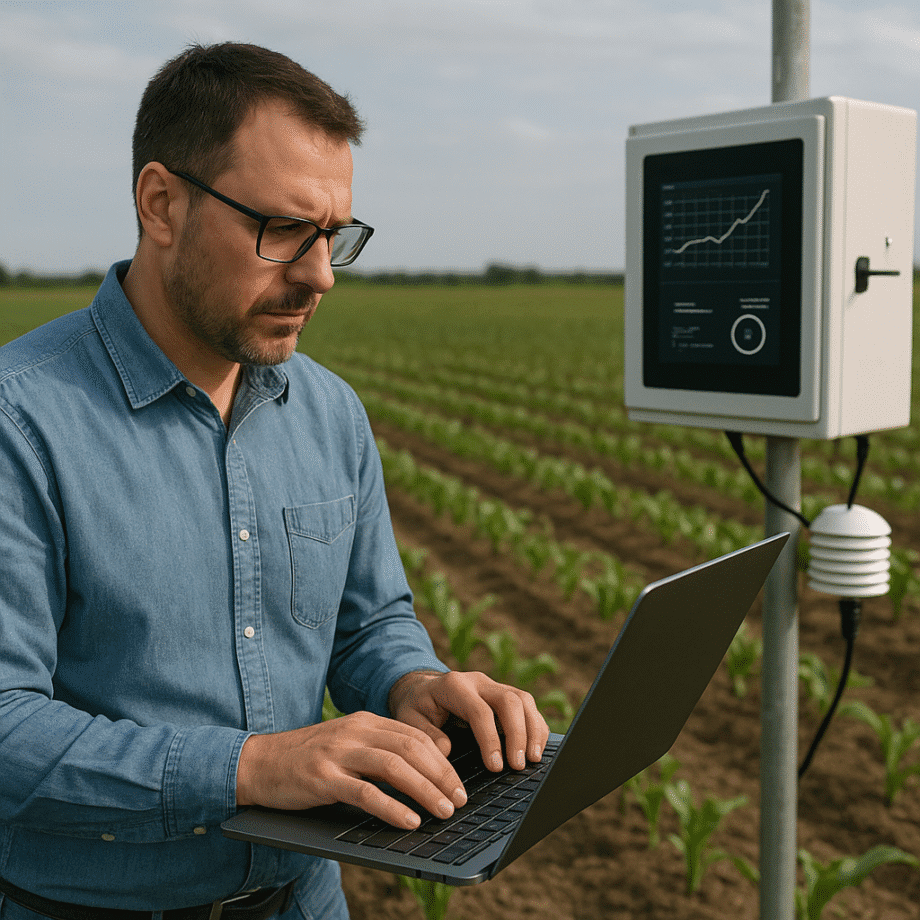
Equipping farms with cutting-edge technology transforms raw information into actionable insights. Agricultural machinery has evolved beyond mere metal and hydraulics; modern tractors, combines, and planters now function as sophisticated nodes in a data ecosystem. By learning how to analyze machine-generated data, farmers can elevate crop yields, streamline operations, and foster more sustainability in every acre they manage.
Importance of Data in Modern Farming
The era of blind reliance on intuition is fading as agricultural operations embrace data-driven strategies. With the integration of sensors, telemetry systems, and cloud-based platforms, each field pass generates vast data streams. Farmers can use this real-time feedback to adjust seeding rates, calibrate nutrient applications, and predict equipment maintenance needs before downtime occurs. Embracing data analysis empowers stakeholders to achieve optimal precision in field management and reduce waste of inputs like fertilizer, seed, and fuel.
From Insights to Actions
Once machinery data is captured, turning numbers into farm-level decisions requires robust analytical workflows. A data pipeline might entail:
- Data aggregation from multiple makes and models of tractors and harvesters
- Standardization of units and formats for seamless comparison
- Visualization dashboards that highlight yield trends and anomalies
These processes lay the foundation for advanced techniques such as machine learning models that forecast yield potential or irrigation schedules.
Key Smart Equipment and Data Sources
Farm machinery manufacturers now embed a suite of components that feed critical metrics back to operators. Common data sources include:
- GPS modules tracking vehicle location and field coverage efficiency
- Optical sensors measuring plant health via NDVI (Normalized Difference Vegetation Index)
- Flow meters for seed and chemical application rates
- Engine performance monitors logging fuel consumption and operating hours
By tapping into the machine control unit (MCU) logs, agronomists can extract minute-by-minute records of performance variables. This level of detail drives deeper insights into field variability and guides the next season’s planning.
Connectivity and Interoperability
Modern farming relies on seamless connectivity between equipment, software platforms, and mobile devices. Standards such as ISOBUS enable different brands of tractors and implements to “speak” the same language. This interoperability ensures that data flows smoothly from the cab to data warehouses, minimizing integration headaches and maximizing operational consistency.
Data Analysis Techniques for Yield Optimization
Once collected, raw data must be transformed into meaningful indicators. Analysts often employ a combination of statistical and computational methods:
- Descriptive analytics to summarize historic yield maps and field boundaries
- Diagnostic analytics to pinpoint factors correlated with low or high yields
- Predictive models that forecast yield outcomes based on weather, soil, and management variables
- Prescriptive recommendations that suggest optimal machine settings and input levels
Tools like GIS (Geographic Information Systems) overlay yield data on soil type maps, revealing zones of consistent underperformance. By applying variable-rate technology (VRT), farmers can adjust equipment settings on-the-fly to deposit seeds or fertilizers exactly where they are needed.
Machine Learning for Decision Support
Machine learning algorithms thrive on large, diverse datasets. By training models on past seasons’ yield records and environmental conditions, systems can recommend planting densities or irrigation timings that maximize crop output. These models must be regularly retrained as new data arrives to maintain reliability and adapt to evolving field conditions.
Implementation Strategies and Challenges
Deploying a smart equipment data strategy involves both technical and organizational considerations. Key success factors include:
- Investing in user-friendly dashboards that translate complex metrics into intuitive visuals
- Providing training for operators and agronomists to interpret data correctly
- Establishing data governance policies that ensure privacy and data ownership rights
- Maintaining robust cybersecurity measures to protect sensitive farm information
Adoption barriers often stem from the upfront costs of sensor retrofits, uncertainty about ROI, and gaps in digital literacy among farm staff. However, collaborative efforts with ag-tech providers and extension services can accelerate implementation and ensure that data initiatives deliver measurable impact.
Scaling and Future Opportunities
As data infrastructures mature, farms can begin to harness more advanced capabilities such as autonomous machinery fleets, AI-driven pest detection, and blockchain-based supply chain traceability. By designing systems with scalability in mind, operations of all sizes can gradually layer on new functionalities without disruptive overhauls.
Maximizing Returns Through Integration
To truly unlock the promise of agronomic data, integration across platforms is essential. When equipment manufacturers, input suppliers, and third-party analytics providers collaborate seamlessly, farmers gain a holistic view of their entire production cycle. A unified approach helps identify inefficiencies, anticipate equipment failures, and align input schedules with peak crop demand.
- Connecting yield monitors with nutrient management software
- Linking weather station feeds to irrigation controllers
- Feeding harvest data into financial planning tools
This integrated ecosystem drives continuous optimization and ensures that every decision—from soil preparation to post-harvest logistics—is data-informed.
Overcoming Technical Hurdles
Despite the clear benefits, certain technical challenges persist. Data quality issues, such as gaps in sensor coverage or calibration drift, can undermine analytical accuracy. Ensuring high-fidelity data requires routine sensor maintenance and robust validation processes. Additionally, aligning data formats across different machines and software can be daunting, necessitating middleware or custom ETL pipelines.
Commit to a strategy of ongoing evaluation and iterative improvement. By monitoring key performance indicators—such as yield uplift, input savings, and downtime reduction—farmers can justify continued investment in digital agriculture and stay ahead of emerging trends.
Conclusion: Empowering Farmers with Insights
As the global demand for food intensifies, leveraging data from smart equipment will distinguish high-performing farms from the rest. Through careful planning, rigorous analysis, and strategic integration, agricultural stakeholders can achieve remarkable gains in productivity and sustainability. The journey from raw machine logs to actionable field insights exemplifies the transformative power of modern technology in shaping the future of farming.