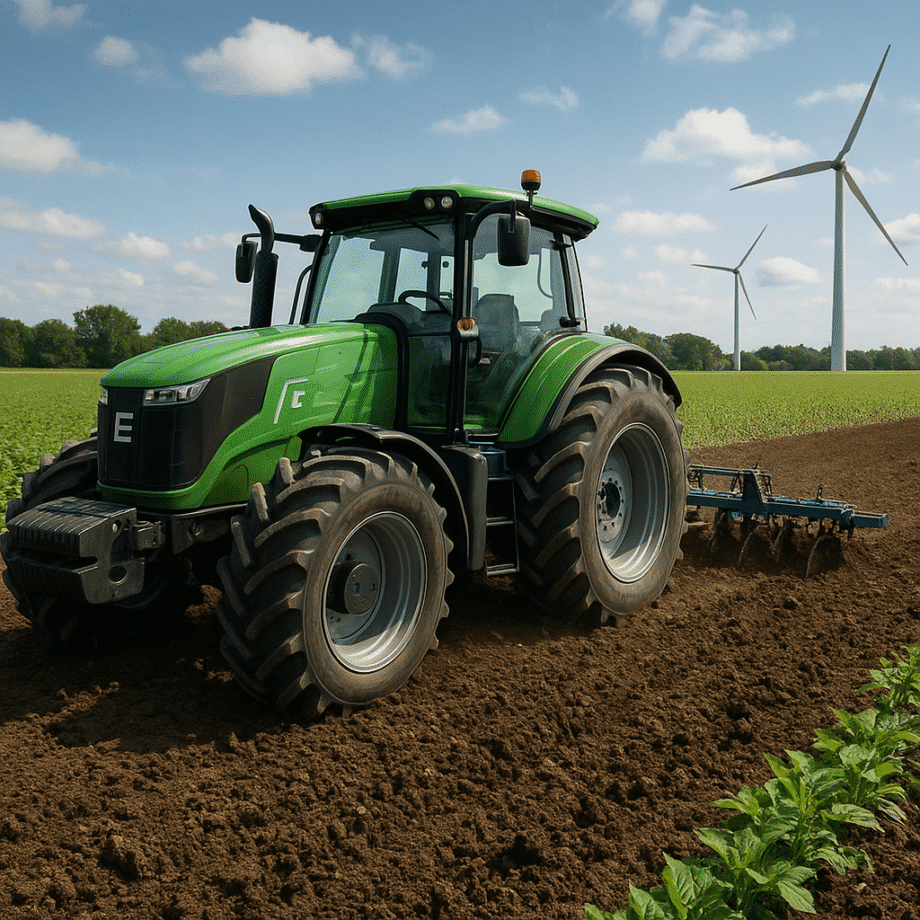
The rapid evolution of farm machinery has ushered in an era of unprecedented transformation in modern agriculture. Among the most significant breakthroughs is the emergence of electric tractors, poised to redefine the way farmers manage their fields. This article delves into the multifaceted world of agricultural machinery, highlighting the environmental benefits, technological advancements, and practical considerations surrounding electric tractors and related equipment.
Electric Tractors: A New Era in Farming Machinery
Traditional tractors powered by diesel engines have been the backbone of large-scale farming for decades. However, a growing focus on sustainability and carbon footprint reduction has accelerated the shift toward electrification in the sector. Electric tractors eliminate tailpipe emissions, offering a cleaner alternative without compromising on power and performance. As manufacturers increasingly invest in battery technologies, farmers gain access to machines that deliver comparable torque and pulling capacity to their diesel counterparts.
Key Components and Features
- Battery Packs: High-capacity lithium-ion arrays designed for extended operation.
- Electric Motors: Instantaneous torque delivery for enhanced traction.
- Regenerative Braking: Recovers energy during deceleration to boost efficiency.
- Modular Design: Allows easy swapping of battery modules for rapid turnaround.
- Integrated Telematics: Real-time monitoring of performance and energy usage.
Performance Metrics
Studies comparing diesel and electric tractors show that electric models can match or exceed traditional performance in tasks such as plowing, planting, and towing. The absence of complex combustion components reduces mechanical losses, translating into higher overall productivity per kilowatt-hour. Moreover, electric tractors operate with minimal vibration and noise, improving operator comfort and reducing fatigue during long working days.
Environmental Advantages of Electric Tractors
Agricultural machinery plays a pivotal role in global greenhouse gas emissions. By transitioning to electric alternatives, farms can achieve substantial reductions in their ecological footprint.
Zero-Emission Operation
Electric tractors generate zero-emission operation at the point of use, eliminating nitrogen oxides (NOₓ), particulate matter, and carbon dioxide typically associated with diesel engines. When charged using renewable energy sources such as solar or wind power, the environmental impact diminishes further, paving the way for truly carbon-neutral farming practices.
Soil Health and Ecosystem Preservation
- Reduced Soil Compaction: Lower weight and adjustable tire pressure minimize ground impact.
- Cleaner Fluids: Absence of oil leaks and diesel spills protects waterways and soil microbiomes.
- Noise Pollution Reduction: Quieter machines support local wildlife and reduce stress on farm workers.
Lifecycle Emissions Assessment
Comprehensive lifecycle analyses reveal that, even accounting for battery production and disposal, electric tractors produce significantly fewer CO₂ equivalents over their lifetime than diesel models. Innovations in recyclable battery materials and second-life applications further drive down environmental costs, aligning with global goals to combat climate change.
Technological Innovations Driving Adoption
The rapid improvement of technology in the agricultural sector has accelerated the rollout of electric tractors, making them increasingly viable for diverse farm operations.
Advances in Battery Chemistry
Next-generation chemistries, including solid-state and lithium-iron-phosphate, deliver higher energy densities and improved safety profiles. These developments extend run times between charges, reduce the overall mass of battery packs, and address concerns over thermal runaway.
Smart Farming Integration
- Autonomous Guidance Systems: Precision navigation enabled through GNSS and machine vision.
- IoT Connectivity: Seamless data exchange between tractors, drones, and field sensors.
- Predictive Maintenance: AI-driven alerts to prevent downtime and optimize servicing schedules.
Collaborative Platforms and Open Standards
Manufacturers, research institutions, and agritech startups are collaborating on open platforms to ensure interoperability among various electric implements, tractors, and software ecosystems. This cooperative approach accelerates innovation and fosters a competitive market for end-users.
Challenges and Future Prospects
Despite their promise, electric tractors face several hurdles that must be addressed before they achieve widespread adoption across diverse agricultural landscapes.
Infrastructure and Charging Logistics
The deployment of fast-charging networks in rural areas remains limited. Farmers require robust on-site charging stations or battery-swapping facilities to maintain continuous operations during peak seasons. Solutions such as mobile charging trailers and solar-powered charging hubs are emerging to bridge this gap.
Cost Considerations
Upfront investment in electric tractors and associated charging equipment can be higher than traditional diesel machines. However, total cost of ownership analyses often reveal lower operational expenses due to reduced fuel costs, diminished maintenance requirements, and potential government incentives aimed at promoting innovation in green technologies.
Skill Development and Workforce Training
Transitioning to electric machinery demands new skill sets among farm workers and technicians. Training programs focused on battery maintenance, high-voltage safety protocols, and software diagnostics are essential to support a seamless shift toward agriculture electrification.
Outlook for the Next Decade
As battery costs continue their downward trajectory and renewable energy penetration rises, electric tractors will become increasingly accessible. Advancements in modular battery swapping, wireless charging, and even solar-integrated implements hint at a future where farms operate as interconnected, self-sufficient ecosystems. The synergy between innovation, policy support, and farmer adoption promises to accelerate the transition, heralding a new chapter in sustainable farming.