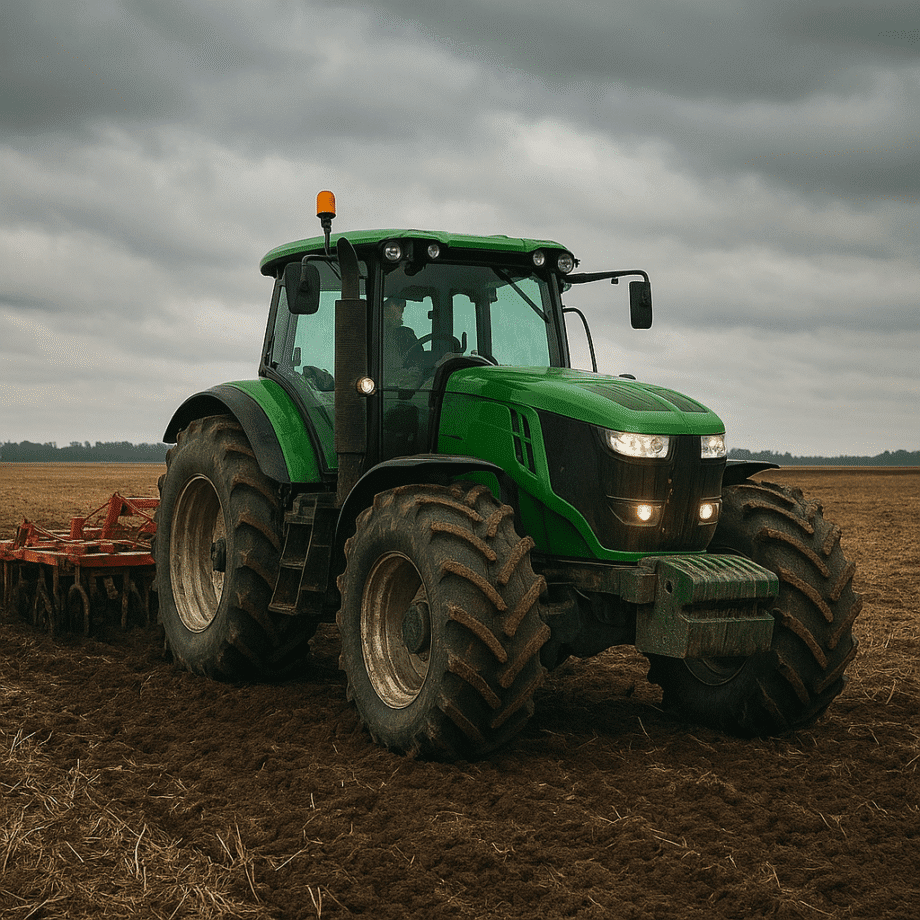
Agricultural machinery designed for extreme environments must withstand abrasive soils, freezing temperatures, and overwhelming workloads. In remote areas, far from repair shops, equipment failure can translate to substantial financial losses and wasted time. This article explores the evolution, key features, top-performing models, maintenance strategies, and future trends surrounding the most robust farming machines engineered to conquer the harshest conditions.
Evolution of Durable Agricultural Machinery
Over the past century, farming equipment manufacturers have pursued innovation in materials and engineering. Early tractors, often crafted from simple cast iron and steel, offered minimal protection from dust, mud, and moisture. Modern machines, however, integrate advanced alloys, composite panels, and sealed cabins, extending their service life under punishing circumstances.
Early Pioneers and Mechanical Simplicity
- Basic framework: Large steel plates and bolted joints enabled easy field repairs.
- Air-cooled engines: Fewer components reduced freezing failures in cold climates.
- Open cabs: Simplified structure but exposed operators to elements.
While these early designs lacked power, their straightforward construction delivered remarkable reliability.
The Rise of Electronic Controls
By the late 20th century, electronic engine management systems, GPS guidance, and precision farming controls emerged. Although these systems improved efficiency and productivity, they also introduced potential vulnerabilities in dusty, wet, or icy settings. Manufacturers responded by implementing heavy-duty seals, diagnostic self-tests, and modular electronic units that could be swapped in minutes.
Key Features Enabling Harsh Condition Performance
Durability under extreme conditions relies on carefully selected components, robust construction techniques, and protective measures. Below are the most critical aspects farmers should consider.
Reinforced Chassis and Undercarriage
- High-strength steel frames treated with anti-corrosion coatings.
- Protective skid plates guarding hydraulic lines and transmission housings.
- Suspension systems optimized for rocky and uneven terrains.
These elements enhance resilience when tractors and harvesters traverse fields littered with stones.
Heavy-Duty Drivetrains
- Torque converters and dual-clutch transmissions designed for constant load changes.
- Sealed differentials preventing water ingress during waterlogged operations.
- High-capacity axles with replaceable bearing assemblies for quick field maintenance.
Robust drivetrains maintain performance even under maximal pulling or lifting stress.
Advanced Cabin Protection
- Pressurized, climate-controlled cabs shielding operators from dust, extreme heat, and cold.
- Impact-resistant polycarbonate windows and reinforced roll-over structures.
- Integrated air filtration systems with multi-stage filters.
Comfortable, secure cabins not only improve safety but also reduce operator fatigue and enhance overall productivity.
Spotlight on Industry-Leading Models
Several tractor and harvester models stand out for their capacity to endure some of the toughest farming environments worldwide.
ArcticPro Series Tractors
Engineered for frigid zones, ArcticPro machines feature sustainability in cold-start fuel systems, quartz heating elements in cabs, and synthetic lubricants rated for temperatures below -40°C. Reinforced radiator guards prevent ice buildup, and undercarriage defrosters keep moving parts free of snow and slush.
DesertMaster Combine Harvesters
In arid regions, intense heat and fine sands threaten both engines and electronics. The DesertMaster lineup counters these challenges with oversized air intake filters, heat-resistant transmission fluids, and sun-reflective cab exteriors. High-capacity cooling pumps and dust-repellent fan housings ensure uninterrupted performance during peak harvest.
RockRider Vineyard Tractors
Specialty tractors like RockRider navigate terraces and rocky slopes with ultra-low center-of-gravity frames and reinforced track systems. Hydrostatic drive units deliver precise speed control on steep gradients, while vibration-damping seats mitigate operator strain. These traits optimize efficiency and ensure vineyard workers can operate for full shifts without mechanical setbacks.
Maintenance and Best Practices for Longevity
Even the most rugged machinery demands diligent care to preserve its durability and avoid costly downtime. Implementing structured maintenance schedules and utilizing proper techniques can extend service intervals and prevent catastrophic failures.
Routine Inspection Protocols
- Daily checks: Fluid levels, tire pressure, and visible leaks.
- Weekly inspections: Hydraulic hose integrity, belt tension, and grease points.
- Monthly diagnostics: Electronic self-tests, software updates, and filter replacements.
Early detection of wear or damage enhances overall reliability.
Field Repair Strategies
- Carrying a compact tool kit with specialized sockets and sealants.
- Stocking critical replacement parts such as filters, belts, and gaskets.
- Training operators in basic hydraulic and electrical troubleshooting.
Empowered crews can resolve minor issues on site, preserving productivity.
Adopting Preventive Upgrades
- Installing high-capacity air filtration for dusty environments.
- Using synthetic oils tailored to extreme temperature ranges.
- Upgrading to corrosion-resistant fasteners and hydraulic fittings.
Smart investment in enhancements pays dividends in machine resilience.
Future Trends in Rugged Farm Equipment
As global agriculture expands into ever-more challenging territories, manufacturers are pioneering new technologies to push the boundaries of machine technology and durability.
Predictive Analytics and IoT Integration
Onboard sensors will continuously monitor component health, sending alerts via satellite links to support teams. Predictive algorithms can forecast potential breakdowns before they occur, reducing unplanned downtime.
Advanced Materials and Coatings
Research into graphene-infused coatings and self-healing polymers promises to revolutionize corrosion resistance and surface wear protection. Lightweight, yet exceptionally strong, these new materials could significantly reduce machine weight without sacrificing strength.
Autonomous Operation in Remote Fields
Driverless tractors and harvesters equipped with ruggedized guidance systems are in development for isolated regions. These vehicles will operate around the clock, maximizing field utilization and minimizing human exposure to severe weather conditions.
In conclusion, the convergence of robust design, cutting-edge materials, and digital intelligence heralds a new era of agricultural machinery. By focusing on maintenance, strategic upgrades, and embracing upcoming innovations, farmers can ensure their equipment thrives, no matter how demanding the environment.