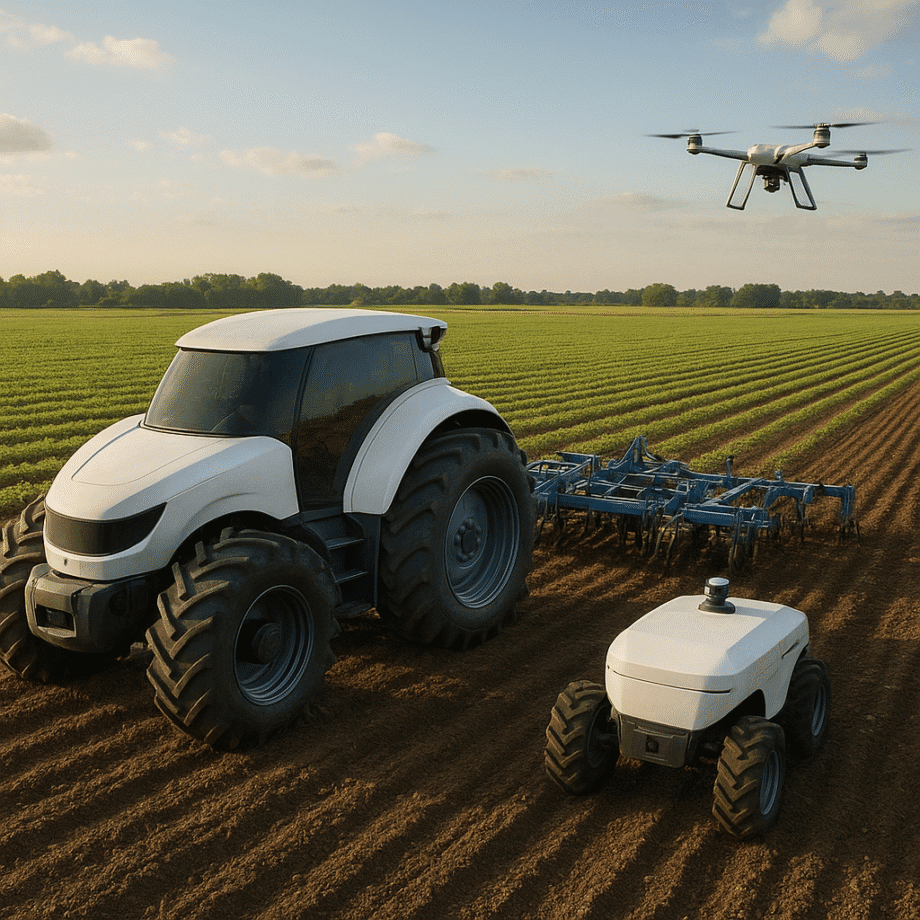
The advent of autonomous machinery is reshaping the way we cultivate vast fields and manage livestock. By harnessing advanced sensors, AI, and robust connectivity, farmers are unlocking new levels of efficiency and sustainability. This exploration delves into the cutting-edge innovations driving the next wave of agricultural transformation, highlighting key technologies, integration strategies, and potential hurdles on the path toward fully automated operations.
Emerging Technologies in Agricultural Machinery
Modern agricultural machinery is no longer confined to basic tractors and plows. Instead, it incorporates a suite of high-tech tools designed to optimize every stage of planting, growth monitoring, and harvesting:
- Sensors: Soil moisture probes, multispectral cameras, and weather stations collect real-time data to inform precise irrigation and fertilization schedules.
- AI-driven analytics: Machine learning algorithms process sensor inputs to recommend ideal seeding rates, nutrient levels, and pest control measures.
- Robotics: Autonomous tractors, sprayers, and harvesters navigate fields without human intervention, using LiDAR and GPS to avoid obstacles and follow optimized routes.
- Drones: Equipped with thermal and hyperspectral imaging, drones scan large areas in minutes, detecting disease outbreaks and nutrient deficiencies at the earliest stages.
Collectively, these tools form the backbone of precision agriculture, enabling farmers to act with unprecedented accuracy. By tailoring inputs to the exact needs of each crop zone, farms can reduce waste, lower costs, and improve yields.
Smart Implements and Attachments
Beyond stand‐alone robots, smart implements are transforming conventional machinery. Planters with variable-rate seed delivery, automatic depth controls on cultivators, and self-adjusting sprayer nozzles illustrate how even traditional equipment is becoming connectivity-enabled. Farmers can retrofit existing fleets, leveraging IoT modules to retrofit tractors and combines into interactive data hubs.
Transforming the Field: AI and Robotics
The synergy between artificial intelligence and robotics is unlocking fully automated workflows in the field. By integrating computer vision, path planning, and decision-making software, next-generation machines handle complex tasks that once required skilled operators:
Autonomous Navigation and Task Execution
Using advanced GPS correction services and visual odometry, unmanned tractors chart optimal paths across irregular terrains. With onboard AI, they adjust speed and trajectory in response to changing soil conditions:
- Obstacle avoidance: Real-time image recognition spots children, wildlife, or equipment and reroutes machinery instantly.
- Dynamic task switching: Machines transition from tilling to planting based on daily work plans transmitted via cloud.
- Collaborative fleets: Multiple units coordinate wirelessly, covering large fields simultaneously—each unit complements the next, minimizing idle time.
These features drive a leap in productivity, allowing operations to run 24/7 with minimal human supervision.
Adaptive Learning and Crop Management
Machine learning models continually refine their strategies by analyzing yield maps, sensor logs, and weather forecasts. With every pass, equipment learns to better distinguish weeds from crops, calibrate spray volumes, and anticipate irrigation needs. This resilience in the face of unpredictable conditions—such as sudden temperature swings or insect invasions—ensures consistent performance across seasons.
Integration and Connectivity: Building Smart Farms
True autonomy extends beyond individual machines; it requires an ecosystem of connected platforms. Data integration, cloud-based dashboards, and robust network infrastructure underpin seamless operations:
Farm Management Systems
Centralized software aggregates maps, sensor feeds, and equipment logs into intuitive interfaces. Farmers and agronomists access:
- Real-time field status: Interactive maps display moisture levels, pest alerts, and growth stages.
- Equipment health metrics: Predictive maintenance alerts proactively schedule service to avoid downtime.
- Operational planning tools: Scenario simulations recommend planting windows, input budgets, and harvest timelines.
Edge Computing and Low-Latency Networks
While cloud connectivity allows remote monitoring, onboard edge processing is vital for instant decision-making. Local servers or embedded controllers run critical AI routines close to the machinery, reducing latency. Meanwhile, 5G and LoRaWAN networks ensure stable data flow across sprawling acres, even in remote regions.
Challenges and Future Outlook
Despite the promise of fully autonomous operations, several obstacles must be addressed before widespread adoption:
- Regulatory frameworks: Governments and agricultural bodies need to establish guidelines for unmanned vehicles operating near public roads and waterways.
- Infrastructure gaps: Broadband access and reliable power sources remain limited in many rural areas.
- Data security and privacy: As farms become data-rich environments, cybersecurity measures must protect sensitive yield and financial information.
- Skilled workforce: Technicians capable of maintaining advanced machinery and interpreting complex analytics are in short supply.
Looking ahead, partnerships between equipment manufacturers, software developers, and academic institutions will drive innovation. Advances in battery technology and renewable energy integration promise cleaner power for electric tractors and drones. Meanwhile, breakthroughs in swarm robotics could enable fleets of small, cooperative robots to tend individual plants with surgical precision.
Ultimately, the convergence of autonomous robotics, AI-driven analytics, and robust connectivity will empower farmers to optimize every aspect of production. As these systems mature, they will pave the way toward a new era of precision agriculture defined by heightened efficiency, enhanced productivity, and improved sustainability—ensuring resilient food systems for generations to come.