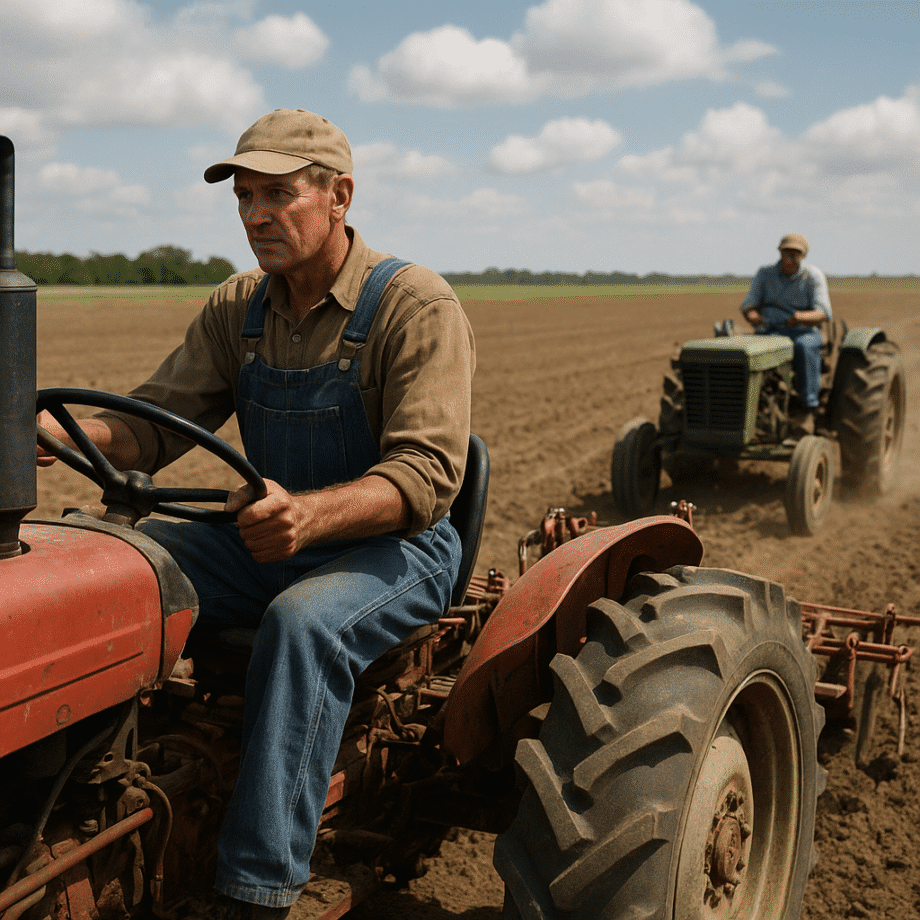
The advent of shared agricultural machinery models has revolutionized the way small-scale farmers approach modern farming. By pooling resources and embracing collective ownership, growers can leverage advanced equipment that was once out of reach. This collaborative framework not only reduces individual investment burdens but also enhances productivity, fosters innovation, and promotes long-term sustainability in rural communities.
Advancements in Agricultural Mechanization
Recent decades have witnessed remarkable progress in farm equipment design. Cutting-edge tractors, planters, and harvesters now integrate GPS guidance, precision sensors, and automated controls. These innovations dramatically boost efficiency, allowing operations like seeding and fertilizing to be executed with centimeter-level accuracy. Smallholders who join shared machinery initiatives gain access to such high-end gear without bearing the full purchase price.
Mechanized tools previously demanded substantial capital and specialized skills. Today, user-friendly interfaces and remote support services minimize the learning curve. Shared ownership arrangements often include training programs that teach operators how to calibrate equipment and interpret data outputs. This upward shift in technical capacity contributes directly to improved crop yields and input management, reinforcing the value of collective investment.
Moreover, modern implements can be tailored to various crops and soil conditions. With modular attachments, a single base vehicle can perform multiple tasks—plowing in spring, spraying during the growing season, and harvesting in autumn. By sharing machinery, farmers can rotate different tools without the logistical challenges of storing and maintaining a large fleet on individual holdings.
Cost-Sharing and Economic Sustainability
Owning a top-tier combine harvester or high-horsepower tilling machine involves not only purchase costs but also expenses related to insurance, repairs, and depreciation. For a solo smallholder, these financial commitments often prove prohibitive. In contrast, cooperative models distribute these outlays across several members, dramatically reducing per-acre expenses and enhancing overall profitability.
- Reduced initial capital expenditure through collective purchasing power
- Shared maintenance budgets that cover routine maintenance and unscheduled repairs
- Lower insurance premiums as risk is spread across multiple participants
- Access to bulk fuel and lubricants at negotiated rates, further cutting operational costs
Beyond savings, pooled machines foster predictable budgeting. Farmers can schedule usage slots well in advance, ensuring that peak periods—such as planting and harvest—are properly staffed and equipped. This organized approach mitigates downtime, thereby maximizing field hours and return on investment.
Environmental and Community Impacts
Shared machinery systems inherently encourage optimal land stewardship. When high-precision tools are available, farmers apply fertilizers and pesticides more judiciously, reducing chemical runoff and soil compaction. This practice bolsters ecosystem health and conserves water resources, underpinning long-term resilience of farmland.
Communities that embrace equipment-sharing often witness spillover benefits. Joint workshops and meetings facilitate the exchange of agronomic knowledge, from crop rotation strategies to soil conservation techniques. Such peer-to-peer learning cultivates a culture of continuous improvement and mutual support—key ingredients for rural prosperity.
Some cooperatives have even launched communal fuel stations and spare-parts depots. By centralizing these ancillary services, members avoid costly delays and gain quicker access to urgently needed components. These hubs also become gathering points where young farmers network with seasoned veterans, driving intergenerational collaboration and stronger social cohesion.
Implementing Shared Machinery Programs
Launching a shared machinery initiative involves careful planning and clear governance. Stakeholders must agree on usage schedules, cost-allocation formulas, and decision-making protocols. A written charter outlining roles and responsibilities helps prevent conflicts and fosters collaboration among members.
Key steps include:
- Conducting a needs assessment to identify priority equipment and service gaps
- Forming a management committee to oversee bookings, accessibility, and financial records
- Establishing a transparent fee structure based on machine hours, acreage, or yield benefits
- Implementing maintenance logs and safety checklists to ensure equipment longevity
Training workshops are crucial. By partnering with local extension services or equipment dealers, cooperatives can provide hands-on sessions on safe operation, basic troubleshooting, and data interpretation. Investing in operator certification not only safeguards machinery but also enhances farmer confidence and skill sets.
Future Trends and Innovations
The next wave of agricultural technologies promises even greater integration of digital tools. Internet of Things (IoT)-enabled sensors, real-time telemetry, and machine-learning algorithms will allow shared fleets to self-optimize usage patterns and maintenance schedules. Predictive diagnostics can alert managers to potential breakdowns before they occur, minimizing downtime.
Autonomous tractors and drones will soon become attainable for smallholders within cooperative frameworks. By coordinating robotic units across multiple fields, farmers can execute precision tasks—such as spot-weeding and crop scouting—at lower labor costs. These advancements will redefine the boundaries of innovation in rural landscapes.
Ultimately, shared machinery models help bridge the gap between small-scale operations and cutting-edge agronomy. Through strategic partnerships, combined financing, and community-driven administration, farmers can harness state-of-the-art tools that drive productivity, environmental stewardship, and economic viability for generations to come.