In the realm of agriculture, the integration of advanced machinery has revolutionized crop production, resource management, and operational workflows. This article delves into various aspects of agricultural machinery, focusing on **precision**, **efficiency**, and **sustainability**. By exploring the latest trends and best practices, farmers and agronomists can harness the full potential of modern equipment to maximize yields and minimize environmental impact.
Mechanization in Modern Farming
The evolution of farm machinery from simple plows to sophisticated, GPS-guided tractors marks a significant leap in agricultural history. Mechanization has enabled farmers to cover vast areas rapidly, reducing labor costs and accelerating planting and harvesting cycles. Key factors driving this transformation include enhanced **productivity**, improved fuel economy, and integration with digital platforms.
- Tractors: Today’s tractors are equipped with precision steering systems, allowing for centimeter-level accuracy in field operations.
- Combine Harvesters: These machines streamline the cutting, threshing, and cleaning processes, significantly cutting down on harvest time.
- Seed Drills: Advanced seed drills ensure uniform depth and spacing, promoting even germination and reducing seed wastage.
- Sprayers: Smart sprayers utilize variable-rate application technology to adjust chemical delivery based on real-time crop conditions.
By adopting these technologies, farms can achieve consistent crop stands, optimize resource usage, and reduce soil compaction through controlled traffic farming. The integration of data analytics further empowers decision-makers to fine-tune operations based on historical and predictive models.
Design Principles of Automatic Irrigation Systems
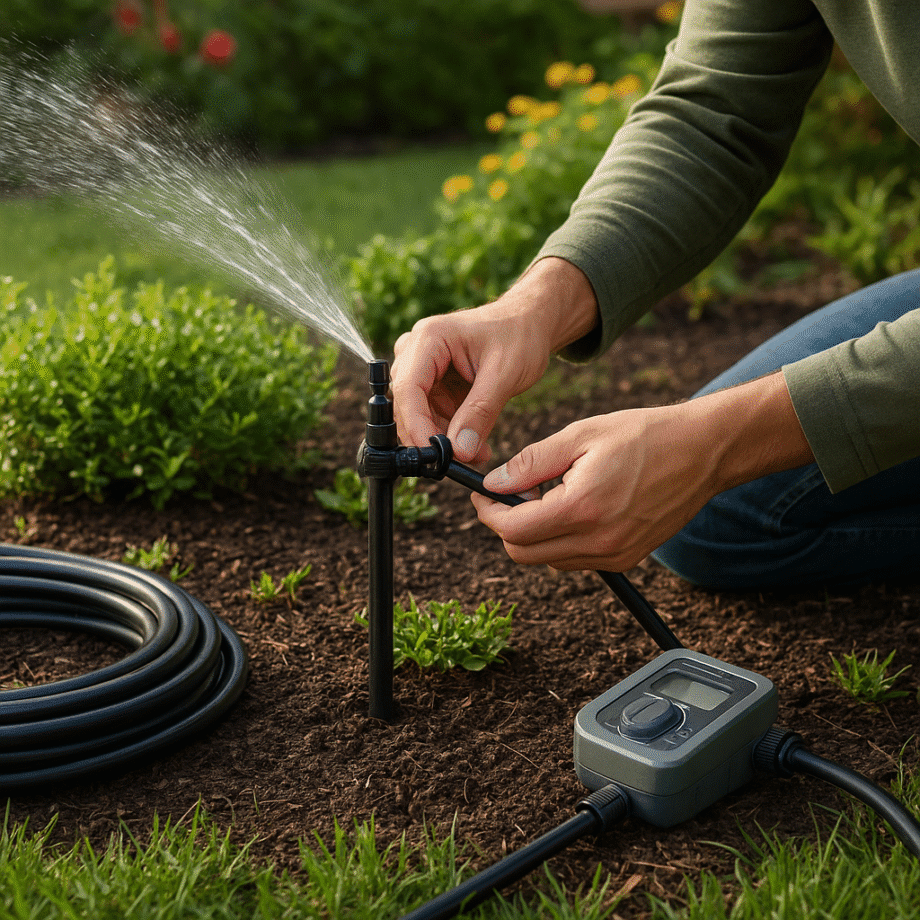
Efficient water management is crucial in agriculture, especially in regions facing water scarcity. Automatic irrigation systems, when correctly designed, offer precise control over water distribution, ensuring crops receive the optimal amount at each growth stage.
Key Components
- Sensors: Soil moisture sensors, weather stations, and flow meters feed real-time data to the controller.
- Controllers: Programmable logic controllers (PLCs) interpret sensor data and activate irrigation zones accordingly.
- Valves: Solenoid valves regulate water flow to specific field sections, enabling zone-based irrigation.
- Pumps: Energy-efficient pumps maintain consistent pressure to deliver water uniformly across all zones.
System Layout and Calibration
Designing an effective layout begins with topographical surveying and soil profiling. Zoning fields based on soil texture and crop type allows for tailored irrigation schedules. Calibration is critical; proper alignment of emitters and correct pressure settings ensure uniform coverage without overwatering or runoff.
- Establish elevation profiles to calculate pressure variations across the field.
- Determine emitter flow rates to match crop water requirements at various growth stages.
- Perform a head-to-head test to verify uniform discharge among all nozzles or drippers.
Once installed, periodic calibration maintains system accuracy and prolongs equipment lifespan. Integrating **diagnostics** modules helps detect leaks, clogs, or pressure drops before they escalate into major issues.
Maintenance and Troubleshooting Strategies
Routine maintenance is essential to ensure the long-term reliability of agricultural machinery. A structured maintenance program not only prevents unexpected breakdowns but also optimizes operational costs.
Preventive Maintenance Checklist
- Inspect hydraulic systems for leaks and maintain proper fluid levels.
- Grease pivot points, bearings, and chains as per manufacturer guidelines.
- Check tire pressure and tread condition to reduce fuel consumption and soil compaction.
- Clean air filters, radiators, and cooling fins to prevent overheating.
- Update firmware and software in GPS and guidance systems to benefit from the latest enhancements.
Troubleshooting Common Issues
Mechanical failures and electronic faults can disrupt field operations. A systematic approach to troubleshooting helps isolate the root cause efficiently:
- Engine Misfires: Check fuel filters, spark plugs, and injector function.
- Hydraulic Malfunctions: Inspect hoses, fittings, and pressure relief valves for blockages or damage.
- Sensor Errors: Calibrate sensors regularly and clean sensing elements to prevent false readings.
- Clogged Emitters: Flush lines and use filters to trap debris before it reaches the drippers.
Maintaining a detailed log of repairs and part replacements aids in predictive maintenance. Coupled with telematics data, operators can anticipate component wear and schedule interventions during off-peak periods, thereby minimizing downtime.
Innovations and Future Trends
The agricultural machinery sector is undergoing rapid innovation driven by digitalization, automation, and environmental concerns. Emerging trends promise to reshape farming practices further:
- Robotics: Autonomous field robots are being developed for tasks such as weeding, selective harvesting, and crop scouting.
- Artificial Intelligence: Machine learning algorithms analyze multispectral imagery and sensor data to predict pest infestations and nutrient deficiencies.
- Variable-Rate Technology: Precision fertilization and irrigation adjust inputs dynamically to match crop variability within fields.
- Renewable Energy Integration: Solar-powered pumps and electric tractors aim to reduce carbon footprints and operating expenses.
By embracing these advancements, farmers can achieve higher levels of **sustainability** and **resilience**. The synergy between hardware and software platforms facilitates real-time **monitoring**, enabling rapid response to changing environmental conditions.
Optimal performance of agricultural machinery hinges on continuous learning, adaptation, and investment in cutting-edge solutions. As the industry evolves, the collaboration between equipment manufacturers, technology providers, and end-users will be pivotal in driving productivity while safeguarding natural resources.