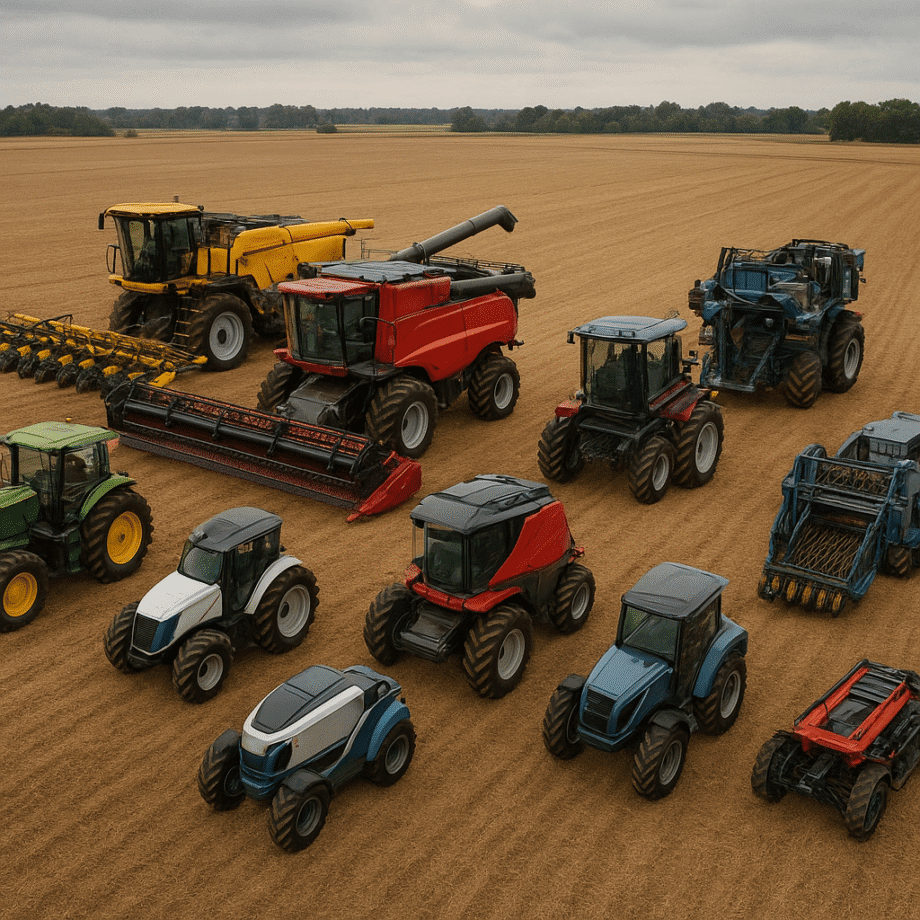
The agricultural landscape is undergoing a profound transformation, driven by breakthrough advancements in technology and a growing demand for sustainable practices. Farmers and agribusinesses are adopting state-of-the-art equipment that leverages automation, artificial intelligence, and advanced sensors to optimize yield, reduce waste, and minimize environmental impact. This article explores the key innovations in machinery for 2025, highlighting how these tools are redefining efficiency and resilience in modern farming.
Cutting-Edge Technologies Shaping Modern Farm Equipment
Modern agricultural machinery increasingly relies on a fusion of disciplines—robotics, biotechnology, data analytics, and renewable energy—to address some of the most pressing challenges in food production. Precision agriculture has emerged as a cornerstone approach, using GPS guidance, variable-rate technology (VRT), and remote sensing to apply water, fertilizer, and pesticides exactly where needed. By integrating real-time data from soil and weather sensors, farmers can make informed decisions that conserve resources and boost productivity.
Another core trend is the deployment of unmanned aerial vehicles (UAVs) or drones for crop scanning and field mapping. Equipped with multispectral cameras, these drones can detect early signs of pest infestations, nutrient deficiencies, and disease outbreaks. The information is fed into machine-learning models that predict potential yield losses and recommend targeted interventions. This synergy of aerial imagery and predictive analytics is redefining agronomic practice, enabling more efficient and sustainable operations.
Advances in energy efficiency and emission control are also reshaping the sector. Electric and hybrid tractors are becoming commercially viable, reducing reliance on fossil fuels and lowering the farm’s carbon footprint. Solar arrays and biofuel generators integrated into machinery power auxiliary systems, ensuring longer operational hours and minimizing downtime. This electrification complements circular farming systems and contributes to long-term sustainability goals.
Top 10 Most Innovative Farming Machines in 2025
- Autonomous Tractor X1: This self-driving tractor features an AI-driven navigation suite, LiDAR mapping, and an adaptive hitch system. Operators can program complex field patterns via a smartphone app, while onboard algorithms adjust speed and depth for optimal seed placement and soil health preservation.
- Robotic Weeder A-Roam: A solar-powered, six-legged robot that traverses rows, using computer vision to distinguish between weeds and crops. It applies micro-doses of herbicide only where necessary, reducing chemical usage by up to 90% and ensuring sustainability in weed control.
- Multi-Sensor Drone Swarm: A coordinated fleet of lightweight UAVs that communicate in real time to map large fields in minutes. Each drone carries hyperspectral sensors and infrared cameras, delivering multisource data for disease detection and moisture analysis with unprecedented precision.
- Smart Combine Harvester Pro: Equipped with edge-computing units, this combine can assess grain quality on the go, adapting threshing speed and fan power to minimize losses. It features a solar-rechargeable battery pack that powers real-time yield monitoring and cloud connectivity modules.
- Vertical Crop Harvester VCH-500: Designed for controlled-environment agriculture, this machine automates pruning, harvesting, and packaging in vertical farms. Integrated robotic arms and gentle vacuum pickers ensure delicate crops like lettuce and herbs are harvested without damage.
- Autonomous Spraying Platform ASP-7: A ground-based drone that uses ultrasonic sensors to maintain a precise altitude above crops. It calculates the exact droplet size needed for each species, reducing drift and improving fungicide effectiveness by up to 40%.
- Soil Health Analyzer SHA-3000: A mobile lab on wheels that drills small cores, analyzes pH, moisture, and nutrient content on the spot, then sends data to the cloud. Its AI engine provides crop-specific fertilizer recommendations, optimizing input costs and yield potential.
- Robotic Milking Parlor RMP-X: This system leverages machine vision to identify each cow via RFID tags, then cleans and milks them with robotic manipulators. It tracks individual health metrics such as milk yield and temperature, enabling early detection of mastitis or other disorders.
- Automated Aquaculture Feeder AquaSmart: Designed for fish and shrimp farms, this machine uses sonar to monitor biomass density and precisely dispense feed pellets. By adjusting feed rates in real time, it cuts costs and reduces water pollution from overfeeding.
- Greenhouse Climate Controller GCC-9: A modular unit that integrates CO₂ enrichment, humidity regulation, and LED lighting. It uses predictive weather data and plant growth models to automate ventilation, shading, and nutrient misting—ensuring consistent quality across multiple crop cycles.
Future Outlook for Smart Agriculture
As we look ahead, the convergence of IoT (Internet of Things), edge computing, and advanced robotics will further catalyze the evolution of farming machinery. Smart sensors embedded in soil and machinery will create hyper-localized feedback loops, enabling adaptive management of water, nutrients, and pest control. This level of automation will empower farmers to focus on strategic planning while machines handle repetitive tasks with high reliability.
Moreover, the integration of blockchain technology promises greater traceability throughout the supply chain. Consumers will be able to scan product codes to access data on planting date, chemical usage, and carbon emissions. This transparency will drive higher standards in sustainability and ethical production, encouraging continuous innovation in machinery design.
Another emerging theme is the democratization of advanced equipment through shared ownership models and agricultural cooperatives. Smaller farms will gain access to high-end machines via leasing platforms and community pools, spreading the benefits of automation and robotics across diverse scales of operation. As machinery becomes more modular and software-driven, updates and new features can be delivered over the air, ensuring that even legacy equipment remains cutting-edge.
In the coming years, the marriage of digital platforms with physical machines will underpin a truly data-driven agriculture. Farmers will harness predictive analytics and digital twins to simulate planting scenarios and forecast market trends. This holistic approach, combining machine efficiency with robust data insights, will pave the way for a more resilient, productive, and environmentally responsible future in farming.