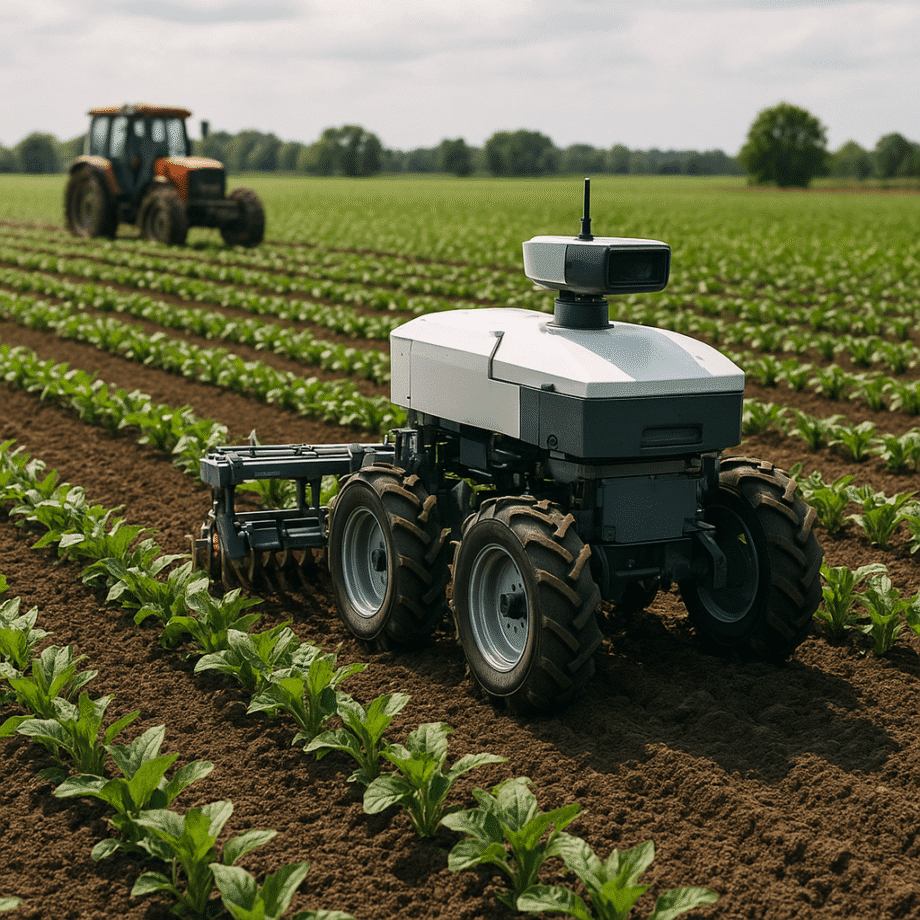
Precision agriculture has transformed traditional farming by incorporating advanced machinery equipped with cutting-edge sensors and intelligent control systems. The advent of robotics has accelerated this transformation, enabling farmers to achieve unprecedented levels of precision and efficiency. This article explores how automated agricultural machinery, from autonomous tractors to aerial drones, contributes to modern crop management, addresses operational challenges, and paves the way for a more sustainable future.
Integration of Autonomous Agricultural Machinery
The integration of autonomous machines marks a paradigm shift in field operations. Tractors once driven by operators are now being retrofitted with GPS guidance systems, LiDAR mapping, and real-time kinematic (RTK) positioning. Through these enhancements, an autonomous tractor can plow, seed, and fertilize with centimeter-level accuracy, drastically reducing overlaps and gaps in coverage.
- Autonomy: Eliminates manual steering errors and labor constraints.
- Precision: Ensures uniform seed placement and input distribution.
- Data Analytics: Collects and processes field metrics for informed decision-making.
Moreover, autonomous implements communicate with a central farm management platform, enabling seamless integration between different machinery. This connectivity allows for choreographed operations where seeding, fertilizing, and harvesting tasks are executed in harmony, optimizing resource utilization and reducing soil compaction.
Unmanned Aerial Vehicles in Crop Surveillance
Unmanned Aerial Vehicles (UAVs), commonly known as drones, play a crucial role in remote sensing. Equipped with multispectral and thermal cameras, drones survey large acreages faster than any ground crew can. High-resolution images reveal early signs of water stress, pest infestation, and nutrient deficiencies.
Key Advantages of Drone Technology
- Sensors: Capture data beyond visible light, including near-infrared and thermal bands.
- Timeliness: Provide frequent aerial surveys to monitor crop health dynamics.
- Adaptation: Adjust flight paths in real time based on on-board AI analysis.
Once data is uploaded to cloud platforms, machine learning algorithms generate prescription maps for variable-rate application of fertilizers and pesticides. This tailored approach minimizes chemical usage, promotes sustainability, and supports regulatory compliance by documenting field treatments.
Ground Robots for Weed and Pest Management
Robotic platforms navigating between crop rows offer a low-impact alternative to broad-spectrum herbicides. These ground robots employ computer vision to identify weeds at early growth stages. Upon detection, a targeted mechanical weeding tool or micro-dose sprayer takes action, protecting the main crop while reducing environmental harm.
Mechanisms of Operation
- Machine Vision: Uses convolutional neural networks to distinguish weeds from crops.
- Actuators: Deploy precise tools for mechanical removal or spot spraying.
- Efficiency: Operate continuously, day and night, under various weather conditions.
These robots increase operational efficiency by avoiding blanket applications of chemicals and dedicating resources only where needed. The result is healthier soil microbiomes and improved crop yields, driven by the precise targeting of invasive species.
Harvesting Robots: Redefining Labor Dynamics
Labor shortages and rising wage costs have made harvesting one of the most suitable tasks for automation. Advanced harvesting robots use a combination of 3D vision and force-feedback grippers to pick delicate fruits and vegetables without causing damage.
- Yield: Maximizes pick accuracy and reduces crop loss.
- Speed: Operates continuously, covering more ground per hour than manual crews.
- Adaptation: Learns to adjust grip strength based on fruit ripeness and texture.
With machine learning, these robots refine their picking trajectories over time, increasing throughput and ensuring marketable produce. Their development also extends seasonal harvesting windows, enabling farms to capitalize on premium price periods.
Smart Implements and Internet of Things
Beyond self-driving vehicles and drones, the Internet of Things (IoT) has led to the creation of smart implements that attach to existing tractors and machinery. Soil moisture probes, canopy sensors, and weather stations communicate wirelessly, offering a holistic view of microclimates across diverse fields.
Components of a Connected Farm
- Soil Sensors: Measure moisture, temperature, and nutrient levels in real time.
- Weather Stations: Forecast local rainfall, humidity, and wind patterns.
- Edge Computing: Processes data on-site to deliver immediate feedback for machinery adjustments.
This interconnected network facilitates dynamic variable-rate application protocols. For instance, a combine harvester can adjust its header height and threshing settings based on real-time grain moisture data, optimizing the threshing process and minimizing losses.
Challenges and Pathways to Adoption
Despite the promise of automated agricultural machinery, farmers face several hurdles when adopting these technologies:
- High initial investment costs for advanced robotics and remote sensing equipment.
- Need for technical expertise to maintain and calibrate sophisticated systems.
- Data integration challenges due to proprietary software and interoperability issues.
- Regulatory considerations surrounding autonomous operations and drone flights.
To overcome these barriers, industry stakeholders are collaborating on open communication standards and offering training programs. Leasing and “robot-as-a-service” models lower financial entry points, while modular hardware designs simplify maintenance and future upgrades.
Future Directions in Agricultural Robotics
The horizon for precision agriculture is marked by further miniaturization and integration of robotics with biotechnology. Concepts under development include microrobots that deliver targeted biological treatments at the cellular level and swarms of lightweight drones that collaborate to pollinate crops.
- Biochemical Delivery: Robots capable of precise inoculation of beneficial microorganisms.
- Swarm Intelligence: Coordinated drone teams for pollination and real-time pest deterrence.
- Adaptive Learning: Continuous algorithm refinement based on multi-season performance data.
These innovations promise to further decrease input costs, increase yield predictability, and enhance environmental stewardship. As farms evolve into data-driven enterprises, the synergy between traditional agricultural wisdom and advanced technology will redefine how food is grown, processed, and distributed worldwide.