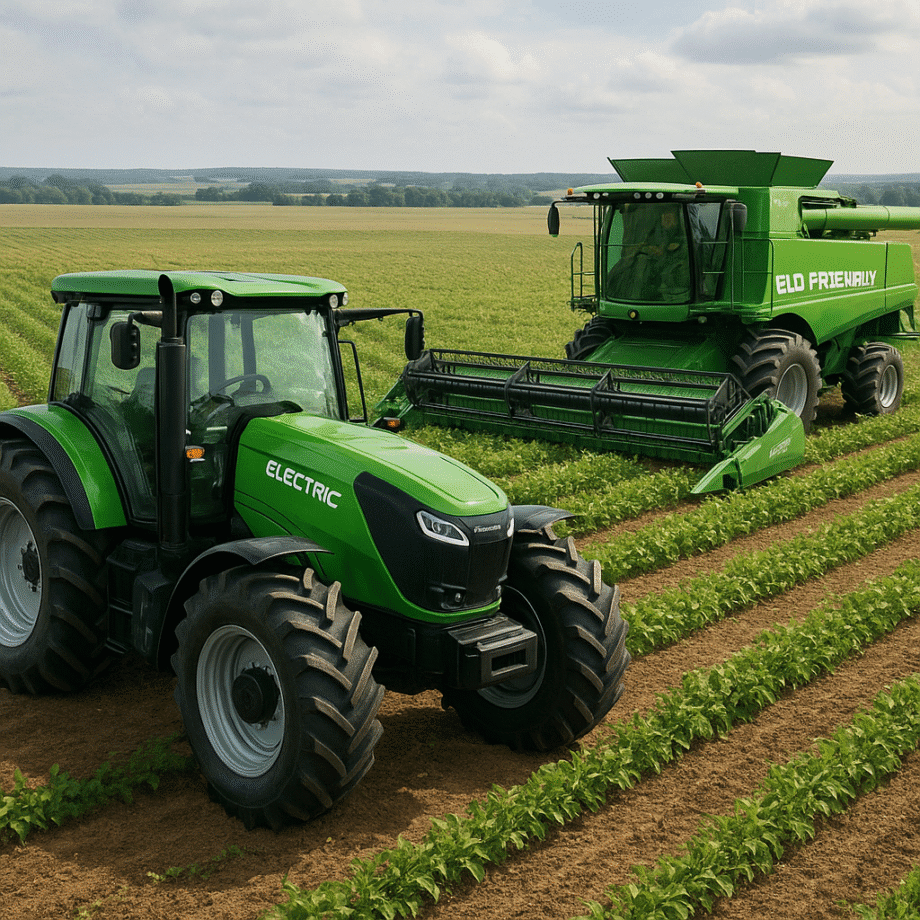
The agriculture sector is undergoing a profound transformation as modern farmers seek to balance productivity with environmental stewardship. Electric tractors and eco-friendly machinery are at the forefront of this shift, promising to redefine how crops are grown, harvested, and managed. This article explores the technological breakthroughs, practical advantages, and ongoing challenges associated with these innovations, offering a comprehensive look at a greener agricultural future.
Advancements in Electric Tractors
Electric tractors have evolved from conceptual prototypes to commercially viable machines within a few years. Manufacturers are integrating cutting-edge battery technologies and autonomy-ready platforms to deliver robust performance. Unlike traditional diesel-powered units, these tractors operate with near-silent motors, reducing noise pollution in rural communities and on large-scale farms.
- Battery Innovations: Lithium-ion, solid-state, and flow batteries are competing to offer higher energy densities, faster charging, and longer service life.
- Modular Design: Swappable battery packs enable rapid turnaround times, so farmers can minimize downtime during peak planting or harvesting seasons.
- Regenerative Braking: This feature recaptures energy during deceleration and downhill operations, increasing overall efficiency by up to 15%.
Powertrain and Performance
Electric powertrains deliver instant torque at low speeds, ideal for heavy-duty tasks such as tilling and baling. Some models now exceed 300 horsepower equivalents, matching or surpassing their diesel counterparts. Real-time monitoring systems provide actionable data on soil conditions, battery state-of-charge, and maintenance needs, creating a more connected farming environment.
Benefits of Eco-Friendly Machinery
In addition to electric tractors, a suite of eco-friendly implements is reshaping field operations. From solar-powered irrigation pumps to biodegradable seed coatings, farmers can adopt practices that minimize the ecological footprint of modern agriculture.
- Sustainability: Reduced reliance on fossil fuels cuts greenhouse gas emissions dramatically—up to 90% when charged with renewable energy sources.
- Precision Agriculture: Drones, sensors, and GPS-guided planters optimize resource use, applying water, fertilizers, and pesticides only where needed.
- Soil Health Improvement: Eco-friendly tillage tools help preserve organic matter and structure, fostering biodiversity and improving long-term yields.
Economic and Social Impact
While the initial investment in green machinery can be higher, long-term operational costs often decline due to lower fuel expenses, reduced maintenance needs, and eligibility for various incentive programs. Communities benefit from improved air quality, quieter fields, and enhanced job opportunities in the green technology sector.
Overcoming Challenges and Implementing Solutions
Despite their promise, electric and eco-friendly machines face hurdles that must be addressed to achieve widespread adoption.
- Charging Infrastructure: Rural areas often lack fast-charging stations. Collaborative efforts between governments and private companies are essential to establish reliable networks.
- Energy Storage Limitations: Extreme temperatures and prolonged heavy use can degrade battery life. Continued R&D into advanced chemistries is vital.
- Workforce Training: Mechanics and operators need specialized skills to service electric systems and calibrate precision equipment.
Policy and Regulation
Governments worldwide are rolling out subsidies, tax credits, and grants to incentivize the purchase of low-emission machinery. Harmonizing standards across regions can accelerate market growth and simplify compliance for manufacturers and farmers alike.
Emerging Trends and Adoption Strategies
Looking ahead, the convergence of robotics, artificial intelligence, and renewable energy will create self-sustaining farms capable of adapting to shifting climate patterns. Key trends include:
- Robotic Field Units: Autonomous seeding and weeding robots reduce labor demands and optimize field coverage.
- Renewable Integration: Solar and wind installations on farms power machinery directly, cutting dependency on external grids.
- Data-Driven Decision Making: AI platforms analyze weather forecasts, satellite imagery, and historical yield data to recommend the most appropriate interventions.
Farmers are forming cooperatives to share high-cost machines, while research institutions develop open-source platforms for collaborative innovation. These collective strategies improve access to technology and foster a resilient agricultural ecosystem.