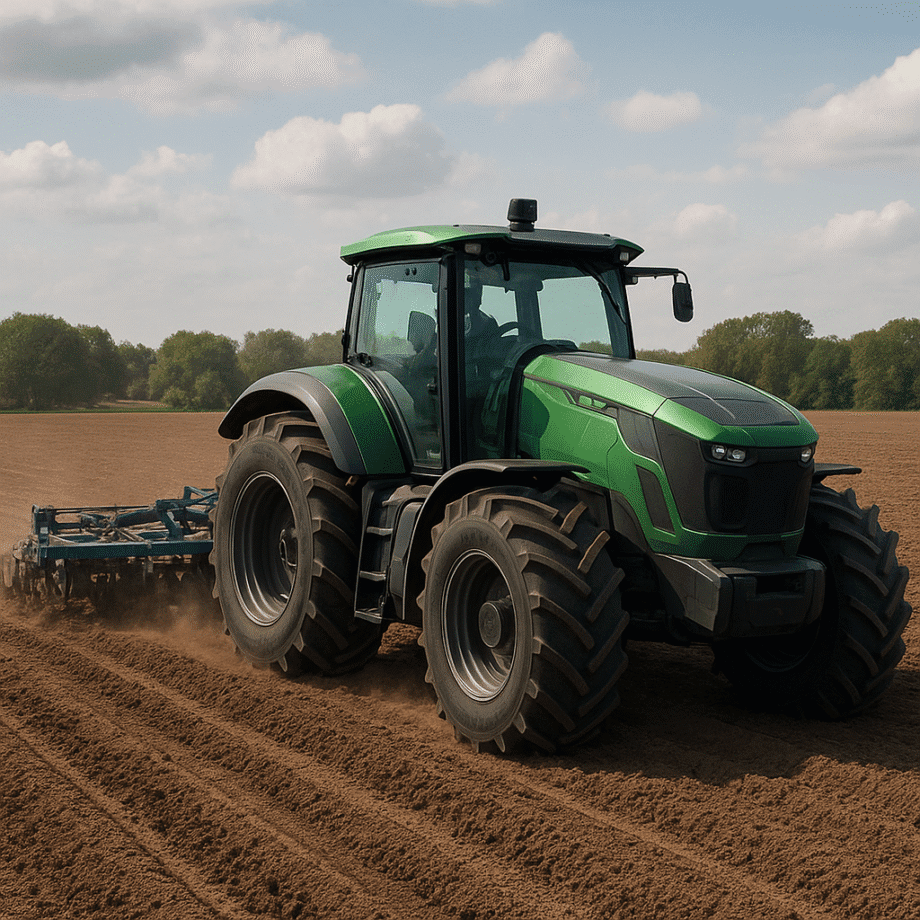
The agricultural sector is on the brink of a profound transformation as farms increasingly adopt autonomous equipment. From self-driving tractors to robotic harvesters, these innovations promise to revolutionize crop production, optimize resource use, and address global food security challenges. This article explores the evolution, core technologies, practical benefits, and emerging trends of autonomous farm machinery, offering insights into how farmers and agribusinesses can navigate the road ahead.
Vision of Autonomous Machinery
Historical Progress
Since the dawn of mechanized farming in the early 20th century, agricultural productivity has soared thanks to steam engines, internal combustion tractors, and modern combines. Yet each leap forward shared a common trait: reliance on human operators. Today, breakthroughs in artificial intelligence and robotics unlock a new chapter in which machines perform complex tasks without constant human supervision. This shift addresses labor shortages and enhances operational efficiency on farms of every scale.
Technological Foundations
At the core of autonomous farm equipment lie interconnected systems of sensors, actuators, and control algorithms. By fusing data from GPS modules, LiDAR scanners, multispectral cameras, and weather stations, intelligent platforms generate real-time maps of field conditions. Advanced machine learning models convert these maps into actionable commands, directing vehicles to plant seeds, apply nutrients, or harvest crops with pinpoint precision. Crucially, the seamless integration of hardware and software ensures that machines adapt to dynamic environments—from uneven terrain to changing light conditions.
Key Technologies Driving Transformation
- Sensor Networks: Arrays of high-resolution cameras, ultrasonic detectors, and soil moisture probes gather granular information about plant health and soil composition.
- Automation Controls: Robust electronic control units link actuators and hydraulic systems, enabling smooth steering, braking, and tool adjustments without human intervention.
- Artificial Intelligence: Deep learning architectures classify crops vs. weeds, predict disease outbreaks, and optimize planting patterns to maximize yield.
- Robotics: Articulated arms and grippers onboard autonomous harvesters selectively pick fruits and vegetables, minimizing damage and labor costs.
- Connectivity Platforms: 5G and LoRaWAN networks facilitate low-latency communication between machines, cloud servers, and farm management dashboards.
- Precision Application Systems: Variable-rate technology directs fertilizers, pesticides, and water only where needed, reducing waste and boosting sustainability.
Benefits and Challenges
Benefits
Farmers adopting autonomous machinery enjoy a spectrum of advantages:
- Increased productivity through continuous operations—machines can work day and night, irrespective of operator fatigue.
- Lower labor dependency, alleviating the impact of workforce shortages while freeing staff to focus on value-added tasks such as monitoring and strategic planning.
- Enhanced resource management via real-time data streams that optimize water usage, fertilizer rates, and planting depth.
- Improved safety by removing humans from repetitive or hazardous tasks, thus reducing accident rates on the farm.
- Greater consistency in field operations; automation ensures every pass achieves the same quality standard, leading to uniform crop emergence and maturation.
Challenges
Despite compelling benefits, widespread adoption faces hurdles:
- High upfront investment costs for cutting-edge machinery and supporting infrastructure such as precision guidance systems.
- Integration complexity—existing equipment fleets may require retrofits or replacements to interface with new autonomous modules.
- Data management burdens; farms must handle vast volumes of telemetry and imagery, necessitating robust data storage, analytics, and cybersecurity protocols.
- Regulatory uncertainties around unmanned operations on public roads and near rural communities, raising liability and insurance considerations.
- Ongoing maintenance demands for sophisticated sensors and electronic components exposed to dust, moisture, and vibration in field conditions.
Future Outlook
Emerging Trends
The horizon for autonomous farm equipment is brimming with innovation:
- Swarm Robotics: Fleets of small, specialized robots collaboratively plant, monitor, and harvest, offering flexibility over traditional monolithic machines.
- Edge AI: Onboard processing reduces reliance on cloud connectivity, enabling critical decisions—such as obstacle avoidance—to occur in milliseconds.
- Augmented Reality Interfaces: Farm managers may oversee operations via AR glasses, visualizing machine telemetry and issuing voice commands.
- Biological Sensing: Integration of pathogen detectors and nutrient analyzers onboard vehicles allows real-time adjustments to crop treatments.
- Remote Fleet Management: Centralized platforms that dispatch tasks, monitor performance, and schedule preventive upkeep across multiple sites and machine types.
Adoption Strategies
To harness autonomous solutions effectively, stakeholders should consider the following steps:
- Conduct pilot programs on select fields to benchmark performance, refine algorithms, and train personnel on new workflows.
- Partner with technology providers who offer modular, scalable systems that evolve with farm needs rather than imposing one-size-fits-all packages.
- Invest in training programs that upskill operators and technicians for roles in machine supervision, diagnostics, and data analysis.
- Collaborate with policymakers and industry associations to shape regulations that ensure safety without stifling innovation.
- Leverage financial incentives and grants aimed at promoting precision agriculture and reducing environmental impact.
Conclusion
The convergence of advanced sensors, artificial intelligence, and autonomous controls marks a pivotal moment for modern agriculture. By embracing these technologies, farmers can unlock new levels of productivity, environmental stewardship, and operational resilience. As the sector evolves, strategic investments, robust partnerships, and continual learning will be key to transforming the vision of autonomous farm equipment into a global reality.