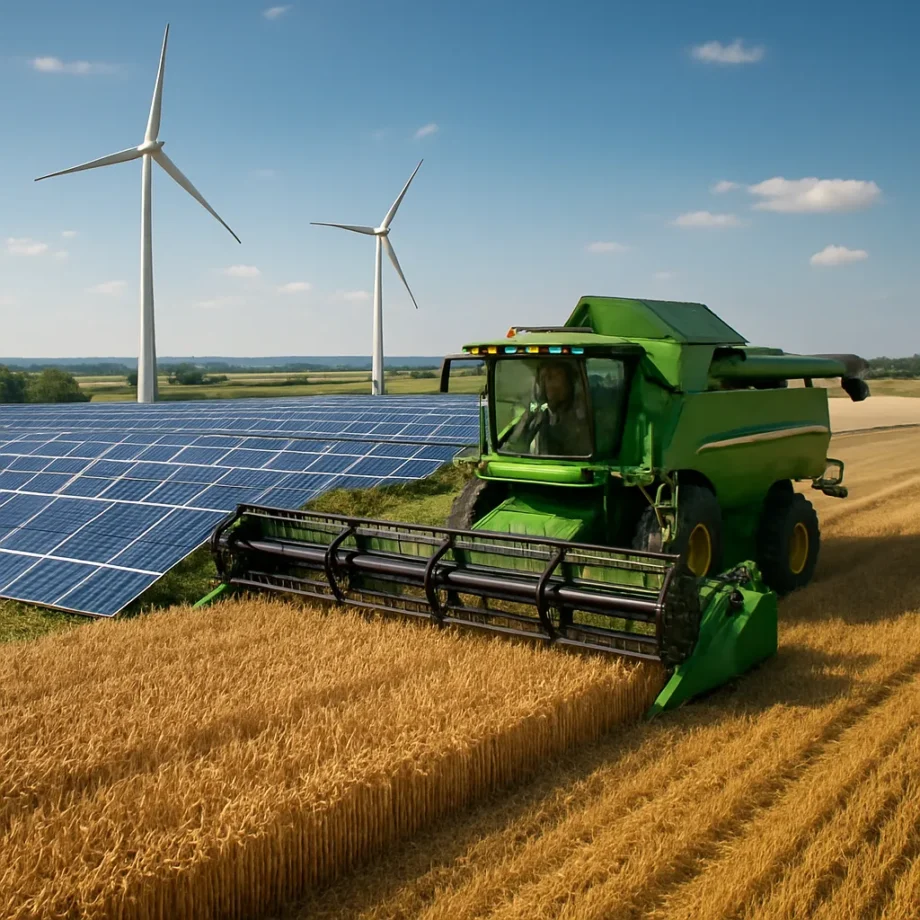
The convergence of advanced machinery and renewable energy is redefining agricultural practices, offering farmers unprecedented gains in productivity, efficiency, and sustainability. By integrating solar panels, wind turbines, and bioenergy systems directly into tractors, harvesters, and irrigation networks, the industry is on the verge of an agricultural revolution. This article explores the technological innovations, energy solutions, and data-driven tools that will power fields of the future.
Technology Integration in Modern Machinery
Over the past decade, manufacturers have focused on embedding cutting-edge electronics, hydraulic systems, and power management units into agricultural equipment. Modern tractors now feature:
- Precision GPS-guidance systems that reduce overlap and minimize fuel use
- On-board diagnostics for real-time performance monitoring
- Modular attachments enabling quick transitions between tilling, seeding, and spraying
These innovations not only streamline fieldwork but also lay the foundation for solar or battery modules to be retrofitted. For instance, solar skins can be applied to the roof of a combine harvester to power its electronic controls and lighting systems, cutting down on diesel consumption. Additionally, smart farming platforms aggregate machine data, enabling predictive maintenance that prevents breakdowns during critical harvesting windows.
Renewable Energy Sources and Deployment
Integrating solar and wind power directly on-farm offers farmers the flexibility to generate their own electricity for machinery and irrigation. Key approaches include:
- Solar arrays installed on barn rooftops and machine sheds, feeding back into battery banks
- Small-scale wind turbines strategically placed along field perimeters
- Bioenergy systems converting crop residues into biogas, which can run generators or be injected into pipelines
Many equipment manufacturers are now designing tractors with integrated battery packs that can be charged via stationary solar chargers or by detachable photovoltaic panels mounted on the vehicle’s chassis. This reduces reliance on fossil fuels while ensuring machines remain fully charged during long field days. The synergy of diverse energy inputs—photovoltaic, wind, and biomass—creates a resilient microgrid able to adapt to weather variability.
Smart Sensors, Robotics, and Data Analytics
Deploying a network of sensors across the farm unlocks a new era of decision-making precision. Soil moisture probes, nutrient sensors, and optical cameras feed into machine control units, allowing:
- Variable-rate seeding and fertilization through autonomous planters
- Targeted pesticide application by robotics, reducing chemical usage
- Real-time monitoring of crop health and stress levels
Robotic platforms equipped with robotics arms can identify weeds by shape and color, administering treatment with pinpoint accuracy. Meanwhile, cloud-based analytics platforms harness machine learning to assess performance metrics, predicting yield outcomes based on environmental conditions. Farmers and agronomists collaborate through mobile apps, remotely dispatching machinery adjustments or scheduling irrigation events. This level of connectivity not only enhances output but also drives down water and fertilizer costs.
The Rise of Autonomous and Electric Tractors
Autonomous machines promise to transform labor dynamics on the farm. Equipped with LiDAR, radar, and stereo cameras, self-driving tractors can work 24/7 without fatigue. Notable benefits include:
- Continuous operation under low light or nighttime conditions
- Precise row-to-row navigation to eliminate crop damage
- Reduced operator risk in challenging environments
Electric drivetrains are rapidly gaining traction, delivering high torque at low speeds while simplifying mechanical complexity. Companies are developing electric tractors with swappable battery modules, allowing quick recharges from on-site energy hubs. These hubs integrate solar panels and power management systems, creating an autonomy corridor for uninterrupted field operations.
Enhancing Sustainability Through Circular Approaches
A shift toward circular agriculture ensures resources are reused, recycled, or repurposed. Key strategies include:
- Capturing machine exhaust heat for greenhouse heating or water preheating
- Processing crop residues into bioenergy and compost to close nutrient loops
- Utilizing recycled plastics for drip irrigation tubing and machine parts
Implementing these measures reduces dependency on external inputs and lowers greenhouse gas emissions. Machinery manufacturers collaborate with energy providers to offer leasing models where farmers pay per kilowatt-hour, akin to a tractor-as-a-service arrangement, avoiding large capital expenditures.
Future Trends and Research Frontiers
Ongoing research focuses on integrating advanced materials, such as lightweight composites and graphene-enhanced batteries, to further boost innovation in agricultural machinery. Scientists are experimenting with:
- Wireless power transfer pads embedded in fields to charge onboard batteries without plugs
- Nanosensors that detect pathogens at the cellular level, enabling preventive measures
- AI-driven route optimization to minimize soil compaction and maximize field access
In parallel, policy incentives and carbon credit markets encourage farmers to adopt renewable integrations. As regulations tighten around emissions, compliance will become a driver of equipment upgrades rather than an afterthought.
Adoption Challenges and Solutions
Despite the promise, several obstacles hinder widespread deployment:
- High upfront costs for conversion kits and energy infrastructure
- Technical complexity and the need for specialized maintenance skills
- Interoperability issues among different manufacturers’ systems
To overcome these barriers, industry stakeholders are developing standardized communication protocols and offering farmer training programs. Public-private partnerships fund pilot projects demonstrating return on investment, while cooperatives share machinery fleets and energy resources to reduce individual financial burdens.