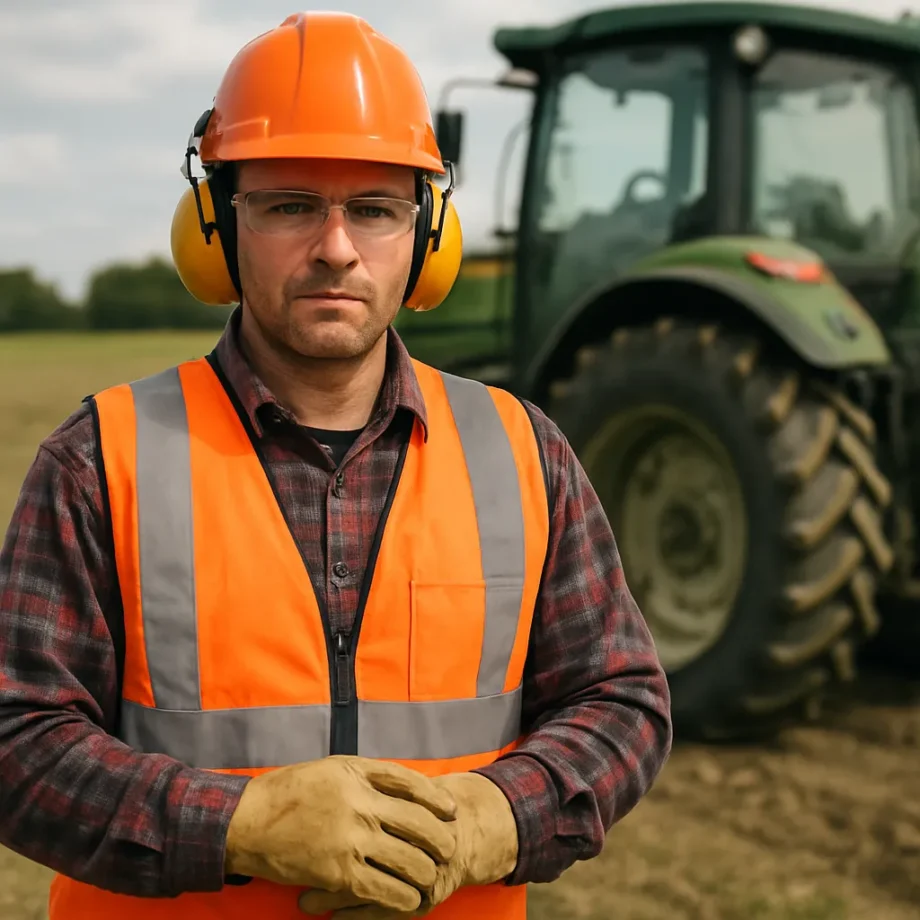
Operating agricultural machinery demands a comprehensive understanding of potential risks and the right protective equipment. Tractor rollovers, flying debris, excessive noise, and powerful moving parts all pose serious threats to operators. Equipping yourself with the safety gear suited for various farm machines can significantly reduce injury rates and improve overall productivity. This article explores key protective solutions designed to shield operators during daily tasks, ensuring compliance with industry standards and fostering a culture of accident prevention.
Assessing Hazards in Agricultural Machinery
Before selecting any piece of equipment, conduct a thorough risk evaluation. Each type of farm machine—from combines and balers to sprayers and tillers—carries unique dangers. Recognizing these hazards helps in choosing gear that provides targeted protection.
Common Mechanical Risks
- Entanglement: Loose clothing can catch in power take-off (PTO) shafts, belts, or pulleys.
- Crushing: Heavy loads, hydraulic arms, and tipping vehicles can trap limbs or bodies.
- Impact: Falling objects, thrown stones, and swinging mechanisms threaten head and torso.
- Noise: Engines and pneumatic tools generate sound levels above 85 decibels, risking hearing loss.
Environmental and Chemical Dangers
- Dust clouds from grain handling or tilling operations impair breathing and vision.
- Chemical sprays introduce toxic exposures, necessitating respiratory and skin protection.
- Extreme weather conditions—heat, cold, rain—influence gear selection for comfort and performance.
Essential Headgear and Eye Protection
Protecting the head and eyes ranks as top priority. A quality helmet and safety glasses or goggles are non-negotiable when working around fast-moving parts.
Safety Helmets
- Durability: Look for polycarbonate or fiberglass shells rated to meet international standards like ANSI/ISEA Z89.1.
- Suspension System: A multi-point suspension absorbs shocks and maintains proper fit over long shifts.
- Visor Integration: Some models include front-mounted visors to shield the face from chaff and chemical splashes.
Protective Eyewear
- Impact Resistance: Choose lenses rated to ANSI Z87.1 for high-velocity particles.
- UV Shielding: For outdoor operations, polarized lenses guard against solar glare and reduce eye strain.
- Anti-Fog Coating: Maintains visibility during humid or temperature-fluctuating tasks.
Body and Limb Protection
Safeguarding the torso, arms, and legs involves selecting gear that balances comfort with functionality, especially when working long hours.
Protective Clothing
- High-Visibility Fabrics: Reflective strips and fluorescent colors boost operator awareness in low-light conditions.
- Cut-Resistant Sleeves and Pants: Dyneema or Kevlar blends prevent lacerations from sharp edges or hot surfaces.
- Chemical-Resistant Overalls: Polyurethane-coated garments shield against pesticides and herbicides.
Gloves and Hand Guards
- Grip Patterns: Textured palms made of nitrile or rubber improve tool handling in wet or oily environments.
- Impact Protection: Padded knuckles and reinforced fingertips withstand repetitive knocks and vibrations.
- Dexterity: Lightweight, snug-fitting designs preserve precision when operating controls.
Footwear
- Steel-Toe Boots: Provide essential protection against falling objects and heavy machinery rollovers.
- Slip-Resistant Soles: Lug or cleated patterns ensure stable footing on uneven or muddy ground.
- Waterproofing: Treated leather or sealed membranes keep feet dry during wet tasks.
Hearing Protection and Communication Devices
Prolonged exposure to loud engines and equipment can cause irreversible hearing damage. Incorporating ergonomic hearing solutions enhances safety and team coordination.
Ear Muffs and Plugs
- Attenuation Rating: Select devices with a Noise Reduction Rating (NRR) of at least 25 dB for heavy machinery zones.
- Comfort Fit: Cushioned seals and adjustable headbands reduce fatigue during extended wear.
- Disposable vs. Reusable: Foam plugs offer convenience; molded plugs with replaceable filters last longer.
Integrated Communication Systems
- Two-Way Radios: Integrated into headsets for hands-free coordination between operators and support staff.
- Bluetooth Connectivity: Enables phone calls or team alerts without removing protective gear.
- Noise-Cancelling Microphones: Ensure clear speech transmission even above engine noise.
Maintenance and Best Practices for Safety Gear
Proper maintenance extends the life of protective equipment and preserves its performance. Adopting routine checks and training boosts compliance across the workforce.
Inspection and Replacement
- Monthly Visual Checks: Look for cracks, tears, or component wear in helmets, eyewear, and gloves.
- Fit Testing: Ensure helmets and hearing devices sit snugly and do not shift during movement.
- Replacement Schedule: Retire gloves after 50 hours of heavy use and helmets after any significant impact.
Cleaning and Storage
- Mild Detergents: Clean helmets and goggles with non-abrasive soap to avoid lens scratches or shell degradation.
- Drying Protocol: Allow gear to air-dry in ventilated areas to prevent mold growth in padding and liners.
- Dedicated Storage: Use labeled lockers or racks to keep equipment organized and protected from UV damage.
Training and Awareness
- Hands-On Workshops: Demonstrate correct donning, doffing, and adjustment procedures for each item.
- Safety Drills: Simulate equipment malfunctions to practice emergency shutoffs and first-aid protocols.
- Documentation: Maintain records of gear issuance, inspections, and user feedback to track vibration or comfort issues.