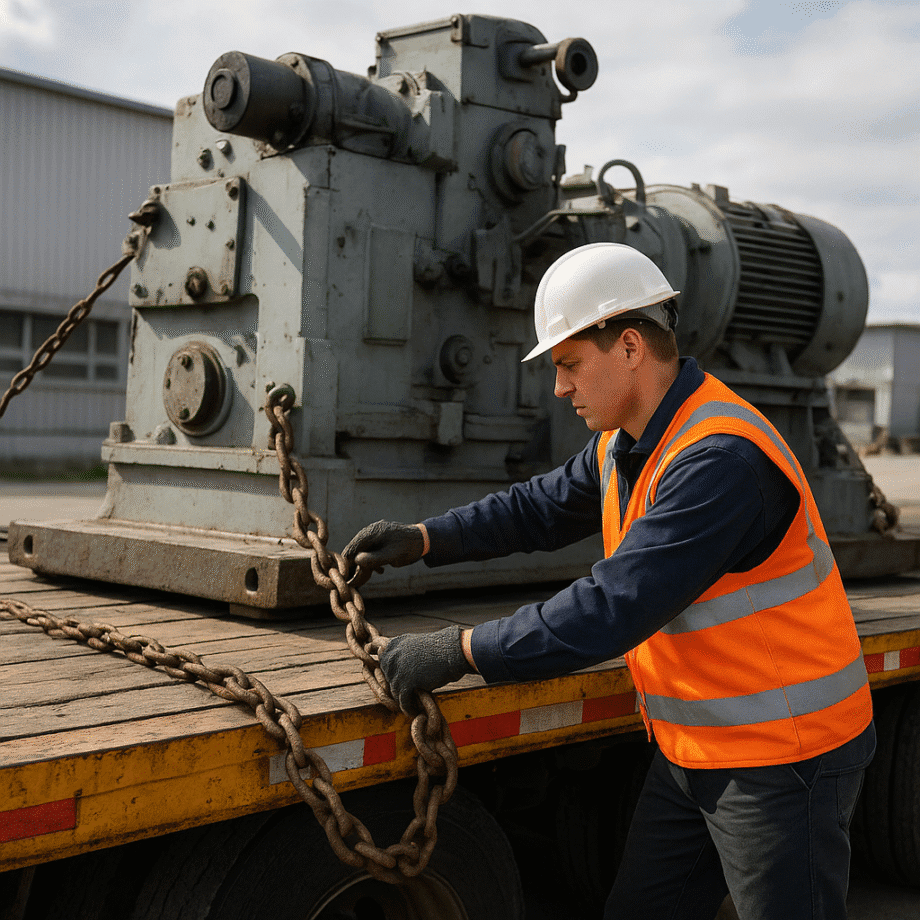
Transporting large-scale agricultural equipment demands a meticulous approach that ensures both the safety of personnel and the integrity of expensive machinery. From the initial planning stages to the final offloading at the destination, every step must be executed with precision. This guide outlines essential practices for moving tractors, combines, balers, and other farm implements across long distances while maintaining operational efficiency.
Planning and Preparation for Transport
Effective transport begins long before a vehicle or trailer rolls out of the farmyard. Early preparation minimizes delays and reduces the likelihood of damage or accidents. Key considerations include:
- Logistics assessment: Identify the most suitable routes, weigh station locations, and any areas with height or weight restrictions.
- Equipment survey: Record dimensions, total weight, and center of gravity for each piece to select the correct carrier.
- Permits and documentation: Secure oversize or overweight permits and prepare all necessary documentation such as bills of lading and insurance certificates.
- Weather monitoring: Plan transport during favorable conditions to avoid high winds, flooding, or icy roads that could compromise stability.
- Personnel briefing: Ensure drivers and ground crew understand their roles and hold valid certifications.
Route Analysis and Risk Assessment
A thorough route analysis includes checking bridge load limits, narrow lanes, and low-clearance overpasses. Conduct a risk assessment to identify potential hazards such as:
- Sharp turns or steep inclines
- Construction zones and traffic congestion
- Areas with wildlife crossings
- Inspection stations and weigh stations
After identifying these factors, develop contingency plans and alternative pathways to ensure a smooth journey.
Loading Techniques and Equipment
Proper loading techniques are vital for preventing damage to machinery and avoiding accidents. The following procedures should be followed:
Selecting the Right Carrier
Depending on the size and weight of the machinery, choose from:
- Flatbed trailers for moderate-sized implements
- Lowboy trailers for extra-heavy and oversized equipment
- Extendable trailers for long machines such as sugarcane harvesters
Use of Loading Ramps and Cranes
When loading with ramps or hydraulic lifts, make sure surfaces are level and stable. Operators should:
- Wear protective gear and maintain clear communication via hand signals or radios.
- Position ramps at the correct angle to avoid undue strain on machine hydraulics.
- Utilize spotters to guide the driver into precise positions, reducing the risk of collision.
For extremely heavy equipment, a certified crane may be required. This method demands rigorous inspection of slings and lifting points to confirm they meet manufacturer load ratings.
Securing Machinery for Transit
Once loaded, equipment must be firmly anchored to prevent movement. Proper securing techniques include:
- High-tensile load chains or straps rated above the equipment’s weight
- Edge protectors to avoid cutting or abrasion on straps
- Wheel chocks and blocking to constrain rolling implements
- Softeners or padding at contact points to preserve painted surfaces
Inspection of Restraint Systems
Before departure, conduct a thorough check of all tie-downs. Ensure:
- Chains or straps are free of rust, frays, or deformities
- Hooks and ratchets lock securely without slippage
- Any tensioning devices are torqued to the appropriate specification
Recheck restraints after the first 50 miles, and at regular intervals thereafter, as movements can settle loads tighter or loosen them.
Compliance with Legal and Regulatory Requirements
Adhering to regulations is not only a legal obligation but also a measure of corporate responsibility. Key compliance areas include:
- Obtaining oversize/overweight permits when gross load exceeds state or provincial limits
- Displaying proper signage, flags, and lighting for wide loads
- Implementing pilot or escort vehicles if mandated by local jurisdictions
- Maintaining up-to-date insurance policies covering public liability and cargo damage
Cross-Border and Inter-State Considerations
When machinery crosses multiple jurisdictions, requirements can vary significantly. Verify:
- Emission standards for engines, especially in cross-border shipments
- Tariff classifications and customs declarations for international moves
- Driver licensing laws that address endorsements for heavy haul operations
Maintenance and Post-Transport Inspection
After unloading, conduct a detailed post-transport inspection to confirm the equipment remains in peak working condition. Important steps include:
- Visual inspection for dents, scratches, or hydraulic leaks
- Verification of fluid levels—oil, coolant, and hydraulic mediums
- Assessment of tire or track integrity and tire pressure
- Functional check of electrical systems and control panels
Preventive maintenance should be scheduled based on hours of operation and mileage covered during transport. Promptly address any discrepancies to avoid downtime during the next harvest season.
Training and Qualifications for Personnel
Safe transportation relies heavily on skilled employees. Ensuring your team holds the right credentials is essential:
- Operators must have certification for specialized equipment such as cranes or forklifts.
- Drivers should possess endorsements for heavy or oversize loads and undergo defensive driving courses.
- Ground crew need training in proper signaling, load securement techniques, and emergency procedures.
- Regular refresher courses and safety drills help maintain awareness of best practices.
Conclusion
Implementing stringent measures at every stage—from initial planning through post-delivery inspection—ensures that agricultural machinery arrives safely and remains fully operational. By prioritizing safety, following established best practices, and investing in training and reliable equipment, you protect both your assets and your workforce, setting the stage for a successful and efficient farming operation.