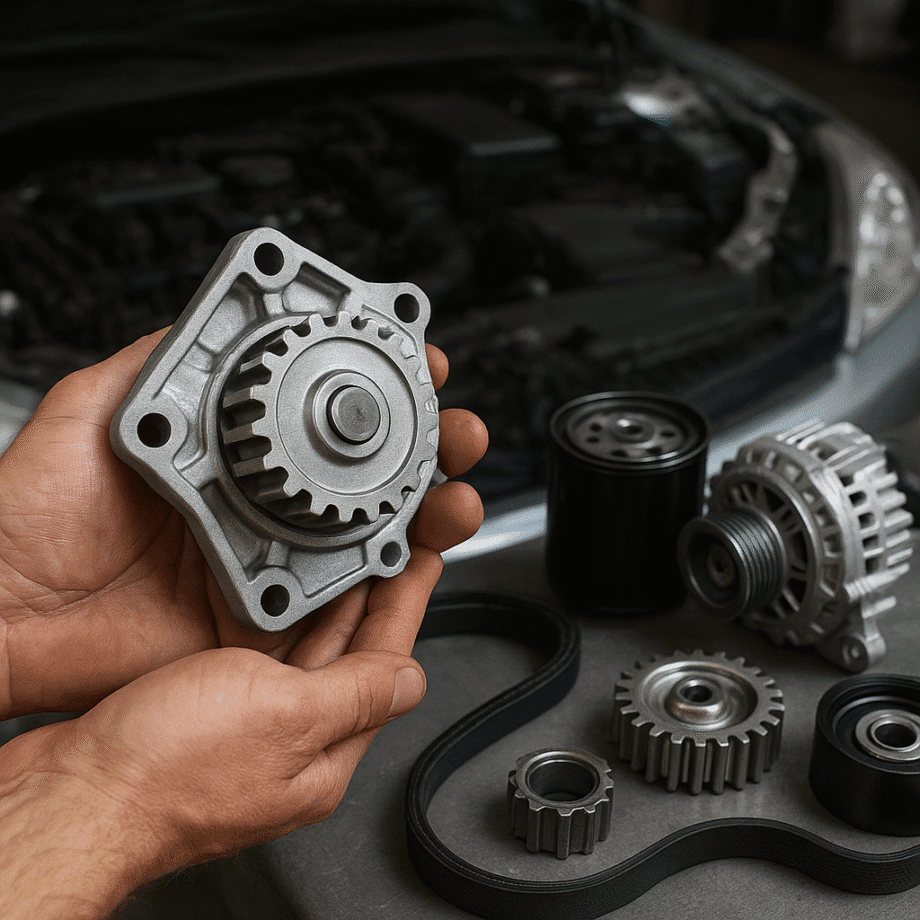
Agricultural machinery is the backbone of modern farming, enabling farmers to cultivate, harvest, and process crops on an unprecedented scale. Investing in high-quality spare parts is an essential strategy to maintain the reliability of tractors, combines, harvesters, and other vital equipment. By choosing authorized components, growers minimize unexpected breakdowns and ensure that production targets are met season after season.
Maintenance and Longevity of Agricultural Equipment
Proper maintenance extends the working life of machinery, and the use of premium spare parts plays a pivotal role in this process. Substandard or generic components often exhibit increased wear and tear, leading to more frequent replacements and larger repair bills. In contrast, genuine or certified parts deliver optimal performance under heavy field conditions, reducing the risk of catastrophic failure.
Scheduled Servicing and OEM Compatibility
Manufacturers design their machines with precise tolerances and specifications. Utilizing compatible spare parts ensures that each component fits seamlessly, preserving the original engineering integrity. During scheduled servicing intervals—such as oil changes, filter replacements, and hydraulic system checks—mechanics rely on authentic assemblies to maintain factory-grade functionality.
Preventive vs. Reactive Repairs
Switching to a preventive maintenance strategy, supported by quality components, dramatically lowers the total cost of ownership. When parts are replaced proactively, rather than waiting for a breakdown, farmers avoid extended downtime and costly emergency call-outs. High-grade brake pads, belts, and seals deliver consistent results, preventing secondary damage to adjacent systems.
Cost-Effectiveness and Operational Efficiency
It may seem counterintuitive, but investing in premium spare parts often proves more cost-effective in the long run. While aftermarket or remanufactured items carry a lower upfront price, their shorter lifespans and higher failure rates drive up costs over time. Genuine parts, backed by warranty and manufacturer support, yield better return on investment through extended durability and performance.
- Reduced Downtime: Rapid part failures halt operations, delaying planting or harvesting windows.
- Lower Repair Frequency: Durable components extend service intervals, cutting labor and logistics expenses.
- Energy Efficiency: Well-fitting engine parts and hydraulic seals minimize fuel consumption and power loss.
- Minimized Secondary Damage: Genuine parts preserve system integrity, preventing costly collateral breakdowns.
Operational efficiency directly impacts farm productivity. Machines running at peak capacity complete tasks faster, reducing labor hours and machinery wear. High-quality filters and lubrication systems sustain performance under extreme conditions, from dusty fields to heavy loads.
Environmental and Safety Advantages
Farm equipment operates in sensitive ecosystems where soil health, water sources, and air quality must be safeguarded. Utilizing premium spare parts contributes to sustainability by optimizing combustion, minimizing leaks, and cutting emissions. For instance, genuine fuel injectors maintain precise spray patterns, lowering unburned hydrocarbons and particulate matter.
Leak Prevention and Containment
Inferior seals and gaskets frequently degrade under pressure, resulting in oil, hydraulic fluid, or fuel leaks. These spills not only waste resources but also pose environmental hazards. Authentic gaskets, engineered from high-grade materials, uphold pressure ratings and resist contaminants over extended service life.
Operator Safety and Compliance
Well-maintained machinery is safer to operate. Faulty brakes, worn belts, or compromised safety guards increase the risk of accidents. Replacing critical parts with genuine assemblies ensures compliance with industry regulations and manufacturer guidelines, reducing liability and protecting farm personnel.
Selecting and Verifying Authentic Spare Parts
Choosing the right spare components can be challenging, given the vast array of suppliers and product grades on the market. Adopting a systematic approach to parts procurement helps verify authenticity and prevents costly mistakes.
Authorized Dealers and Certification
Authorized dealerships and certified distributors maintain direct relationships with equipment manufacturers. They provide warranty-backed parts that meet strict quality standards. When acquiring spares, request documentation, such as a certificate of conformity or a manufacturer’s warranty card, to confirm legitimacy.
Part Number Verification and Quality Control
Each component is assigned a unique part number by the original equipment manufacturer (OEM). Cross-referencing these numbers against official catalogs prevents mix-ups and ensures compatibility. In addition, reputable suppliers implement rigorous quality control measures, including material testing and dimensional inspections, to guarantee satisfaction.
- Check holographic labels or security seals on packaging
- Inspect serial numbers and laser-etched markings
- Compare physical dimensions with original drawings
- Review batch certificates and material certificates
Establishing a standardized procurement protocol, complete with part verification checklists, streamlines maintenance operations and reduces the risk of counterfeit products entering the supply chain.
Maximizing Machinery Productivity Through Quality Parts
Ultimately, the adoption of high-quality spare parts correlates directly with enhanced productivity. By maintaining equipment in top condition, farmers can execute field operations within critical timeframes, optimize resource usage, and secure higher yields. Reliable machines also foster better morale among operators, knowing their tools will perform when needed most.
To leverage these benefits fully, farm managers should integrate inventory management systems that track part availability, lead times, and usage history. This proactive stance ensures that high-demand components—such as filters, belts, bearings, and electronic sensors—remain in stock, preventing reactive downtime and safeguarding the farm’s bottom line.