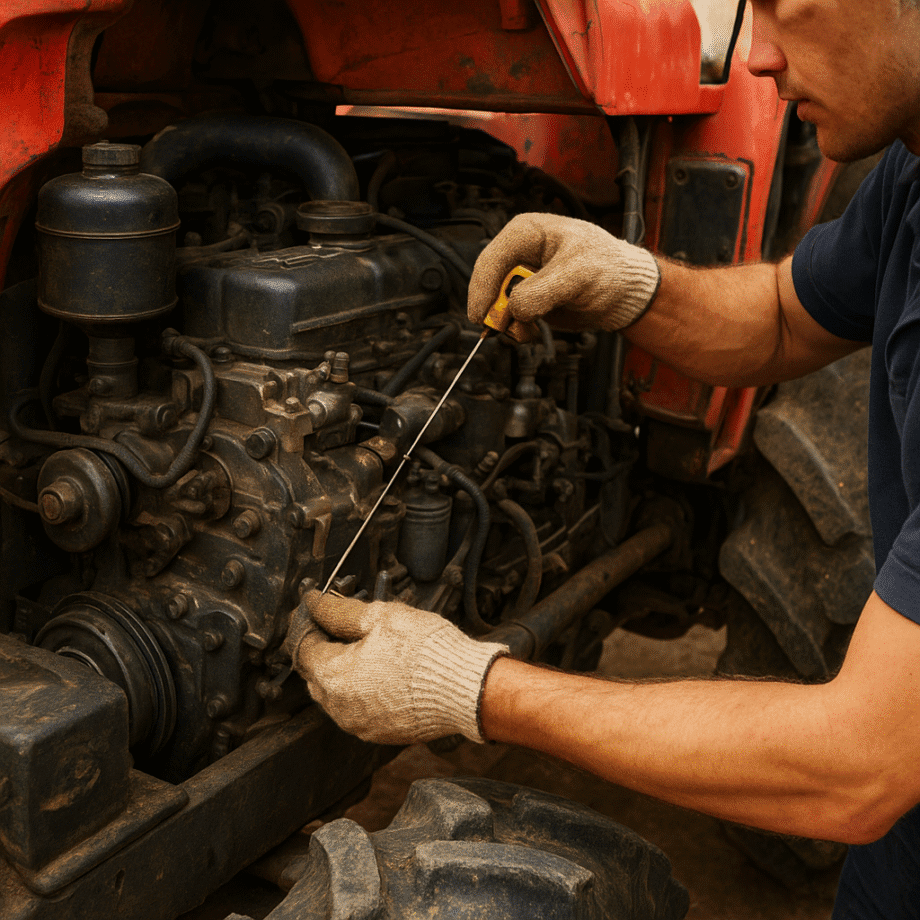
Keeping a tractor engine in peak condition demands a combination of regular maintenance, proper lubrication, and keen attention to details like the cooling system and fuel quality. This guide explores key practices that ensure reliable performance and extended service life of your agricultural machinery, helping you maximize productivity in every season.
Engine Maintenance Essentials
Regular care of your tractor’s core components prevents costly downtime. By following systematic routines, you not only protect the engine’s longevity but also boost overall efficiency and safety in the field.
Lubrication and Oil Change
Selecting the right engine oil and changing it at recommended intervals is critical. Fresh oil reduces friction between moving parts, minimizes wear, and helps maintain stable operating temperatures.
- Check oil level every 50 operating hours.
- Replace oil filter alongside each oil change.
- Use oil grades specified by the manufacturer to preserve warranty and performance.
Failing to maintain proper lubrication leads to bearing damage, piston scoring, and elevated fuel consumption.
Cooling System Checks
An efficient cooling system prevents overheating during heavy-duty tasks. Neglecting coolant levels or radiator cleanliness can result in blown head gaskets or warped engine blocks.
- Inspect coolant level weekly; top up with manufacturer-approved antifreeze mixture.
- Clean debris from radiator fins to maintain optimal airflow.
- Pressure-test the system annually to detect leaks or weak hoses.
Fuel and Air Management
Combustion quality hinges on the synergy between clean air intake and high-grade fuel. Inadequate attention here compromises efficiency, increases emissions, and stresses engine components.
Using Quality Fuel
Always source fuel from reputable suppliers to avoid contamination. Water, sediment, and microbial growth in diesel can clog injectors and damage the fuel pump.
- Install a water separator to trap moisture before it enters the system.
- Drain bottoms of storage tanks periodically to prevent sludge buildup.
- Check additive compatibility to maintain injector cleanliness.
Air Filter Care
A clogged or torn air filter forces the engine to ingest fine particles, wearing down cylinders and valves. Proper maintenance of intake filters promotes cleaner burn cycles and stable power output.
- Inspect the air cleaner housing for cracks or misalignment.
- Replace or clean filters based on hours of operation or dusty conditions.
- Use pre-filters in extreme environments to extend service life.
Inspection and Troubleshooting
Frequent visual and operational checks catch minor faults before they escalate into major repairs. A disciplined inspection routine nurtures a culture of prevention rather than expensive reactive fixes.
Routine Inspections
Develop a daily and weekly checklist focused on key components:
- Hoses and belts – look for fraying, cracks, or bulges.
- Electrical connections – ensure terminals are clean and secure.
- Exhaust system – listen for unusual noise or leaks during operation.
Document findings and corrective actions to track trends and optimize future maintenance schedules.
Troubleshooting Common Issues
When performance drops or unusual symptoms appear, a structured approach simplifies diagnosis:
- Loss of power: Check air filters, fuel filters, and turbocharger (if equipped).
- Excessive smoke: Identify whether it’s white (coolant burn), black (rich fuel mixture), or blue (oil burn).
- Overheating: Inspect thermostat operation, radiator flow, and belt tension driving the water pump.
Advanced Practices for Performance Enhancement
Beyond standard care, adopting advanced techniques elevates your tractor’s capabilities, reduces running costs, and makes agricultural operations more sustainable.
Engine Diagnostics and Monitoring
Modern tractors often feature onboard sensors that relay data to diagnostics tools. Interpreting error codes early prevents breakdowns:
- Use a handheld diagnostic scanner to read fault codes.
- Monitor real-time parameters like oil pressure, coolant temperature, and fuel rail pressure.
- Calibrate sensors and update software to maintain efficiency and accuracy.
Tune-Ups and Component Upgrades
Periodic tune-ups restore factory settings and refine engine operation. Consider upgrading key parts for long-term benefits:
- High-performance injectors or turbochargers designed for increased load capacity.
- Heavy-duty air filtration systems to handle dusty conditions on large farms.
- Improved cooling packages with enhanced radiators and thermostatic fans.
Such enhancements not only boost horsepower but also strengthen reliability under continuous duty cycles.
Seasonal and Environmental Considerations
Weather and operating environment impose unique demands on tractor engines. Tailoring your approach each season safeguards the machine against unexpected failures.
Winter Preparation
Cold temperatures challenge battery capacity and thicken fluids. Implement these winter-specific steps:
- Switch to low-temperature engine oil for easier cranking.
- Install a block heater to reduce wear during startup.
- Verify antifreeze concentration to prevent freezing in extreme cold.
Summer Operations
High ambient heat intensifies the risk of overheating and fluid degradation:
- Uprate coolant quality with improved heat-transfer additives.
- Ensure proper fan clutch engagement.
- Keep shade cloths or sun shields handy to protect parked machines from direct sun exposure.
Conclusion
Maintaining a smooth-running tractor engine revolves around key pillars: diligent inspection, quality fuel and air management, precise lubrication, and timely maintenance. Incorporating advanced diagnostics and seasonal adaptations elevates the machine’s reliability and longevity. Through consistent care, you safeguard your investment and sustain peak productivity across diverse agricultural challenges.