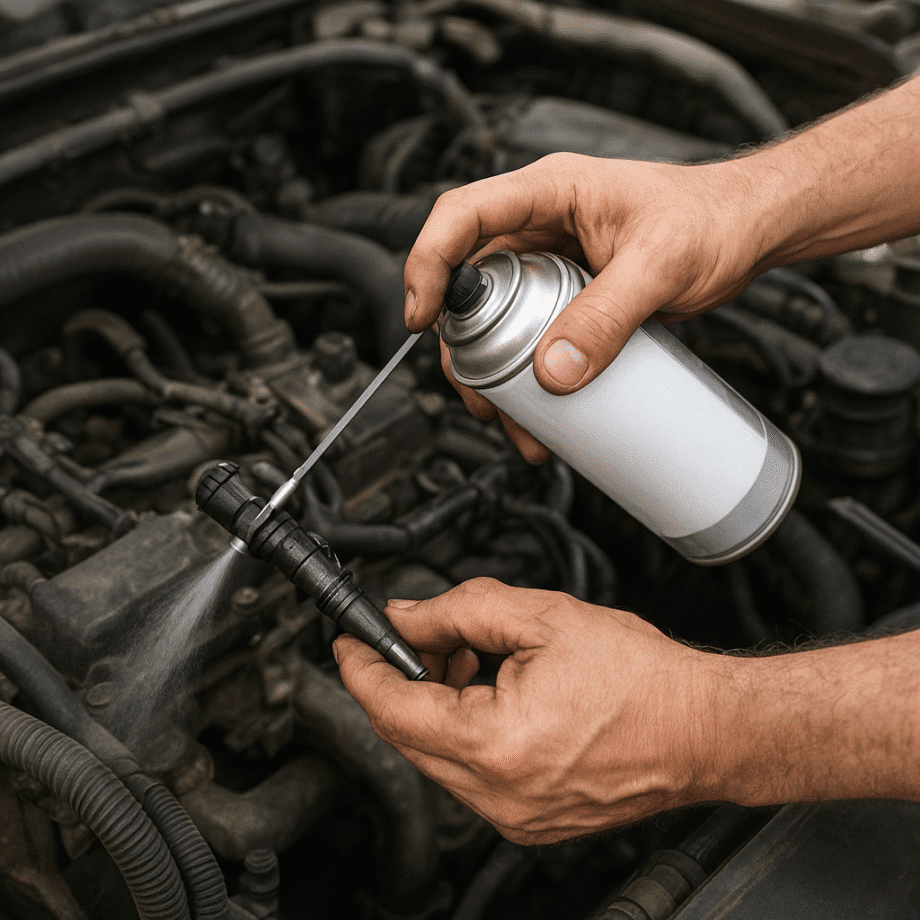
Efficient operation of agricultural machinery hinges on the proper upkeep of its fuel system. From tractors and combine harvesters to sprayers and balers, each piece of equipment relies on a clean fuel network to deliver optimum performance and minimal downtime. Contaminated diesel or gasoline, clogged filters, and neglected lines can lead to reduced power output, increased wear on the engine, and higher operating costs. This article explores key strategies and best practices for cleaning and maintaining fuel systems in modern agricultural equipment, ensuring higher efficiency and extended service life.
Understanding Fuel System Components in Agricultural Machinery
Agricultural machines are equipped with complex fuel delivery systems designed to provide steady, high-quality fuel flow under varying loads and environmental conditions. Core components include:
- Fuel tank: Stores diesel or gasoline; often fitted with water separators.
- Fuel lines: Connect tank to engine; may include heating elements in cold climates.
- Fuel pump: Pressurizes and delivers fuel at the required rate.
- Fuel injectors: Atomize fuel for efficient combustion.
- Filters: Remove particulates and water to prevent injectors from clogging.
- Return lines: Carry unused fuel back to the tank for cooling and recirculation.
Understanding these parts is vital to diagnosing problems and applying proper cleaning techniques. In large-scale operations, even minor blockages can cost hours of downtime and affect overall reliability.
Common Issues and Signs of a Dirty Fuel System
Recognizing early symptoms of contamination allows for timely intervention. Key warning signs include:
- Engine hesitation or sputtering during load changes.
- Difficulty starting, especially in cold mornings.
- Visible water or sediment in the fuel tank or filter bowl.
- Increased exhaust smoke or unusual odors.
- Drastic drop in fuel economy per acre.
Contaminants such as dirt, rust particles, microbial growth, and water can compromise lubrication within injectors and pumps. Ignoring these symptoms accelerates wear and can lead to costly repairs or even complete engine failure.
Key Preparation Steps
Before performing any cleaning operation, follow these preparation steps to ensure safety and effectiveness:
- Park machinery on a level surface with the engine turned off and cooled down.
- Wear protective gloves and eyewear to handle fuel safely.
- Consult the manufacturer’s manual for recommended cleaning intervals.
- Gather tools: wrenches, drain pan, replacement filters, cleaning solvent, and clean rags.
- Dispose of contaminated fuel and filters in accordance with local environmental regulations.
Solid preparation prevents spills, protects your health, and enhances the efficiency of the cleaning process.
Step-by-Step Guide to Cleaning Fuel Systems
1. Draining and Flushing the Tank
Begin by partially draining the tank to remove sludgy buildup. Use a siphon pump to extract old fuel into a sealed container. After draining, pour in a suitable cleaning solvent or specialized fuel system cleaner. Agitate the solution and allow it to soak for 15–30 minutes, then flush thoroughly with clean diesel or gasoline until the outflow runs clear.
2. Replacing and Cleaning Filters
Filter maintenance is critical. Remove both primary and secondary filters, inspect for clogs or water accumulation, and replace them according to the manual. For reusable filters, soak in approved cleaning fluid, rinse with clean fuel, and let air-dry before reinstalling.
3. Servicing Fuel Lines and Injectors
Disconnect fuel lines from the pump and injectors, checking for blockages. Use compressed air or a low-pressure solvent to clear debris. Specialized injector cleaning kits allow you to circulate cleaning solution through injectors, removing varnish and carbon deposits without full disassembly.
4. Testing and Adjusting Fuel Pump Pressure
After reassembly, connect a fuel pressure gauge to the supply line. Start the engine and compare readings to manufacturer specifications. Adjust pump settings if pressure deviates, ensuring optimal delivery under load conditions.
5. Using Additives for Long-Term Protection
Incorporate high-quality fuel additives that disperse moisture, inhibit microbial growth, and improve cold-weather flow. Follow dosing instructions carefully: overuse can harm seals, while underuse offers minimal protection.
Benefits of Regular Fuel System Maintenance
- Enhanced performance and horsepower under peak load.
- Reduced fuel consumption and operational costs.
- Lower risk of unexpected breakdowns and costly downtime.
- Prolonged engine and component life cycles.
- Improved environmental compliance through cleaner combustion.
Routine cleaning and inspection form the cornerstone of sustainable agricultural operations. By investing time in maintenance, you safeguard profitability and maintain a competitive edge in modern farming.
Advanced Tips and Best Practices
For large-scale or precision agriculture applications, consider these advanced measures:
- Install inline water separators with automatic drains for continuous moisture removal.
- Use fuel filtration carts during refueling to capture contaminants on the fly.
- Monitor fuel quality via laboratory testing at regular intervals.
- Implement real-time engine telematics to detect fuel system anomalies early.
- Train operators on proper refueling techniques and record all maintenance activities.
Combining these strategies with a disciplined service schedule ensures your machinery remains at peak efficiency and reliability season after season.