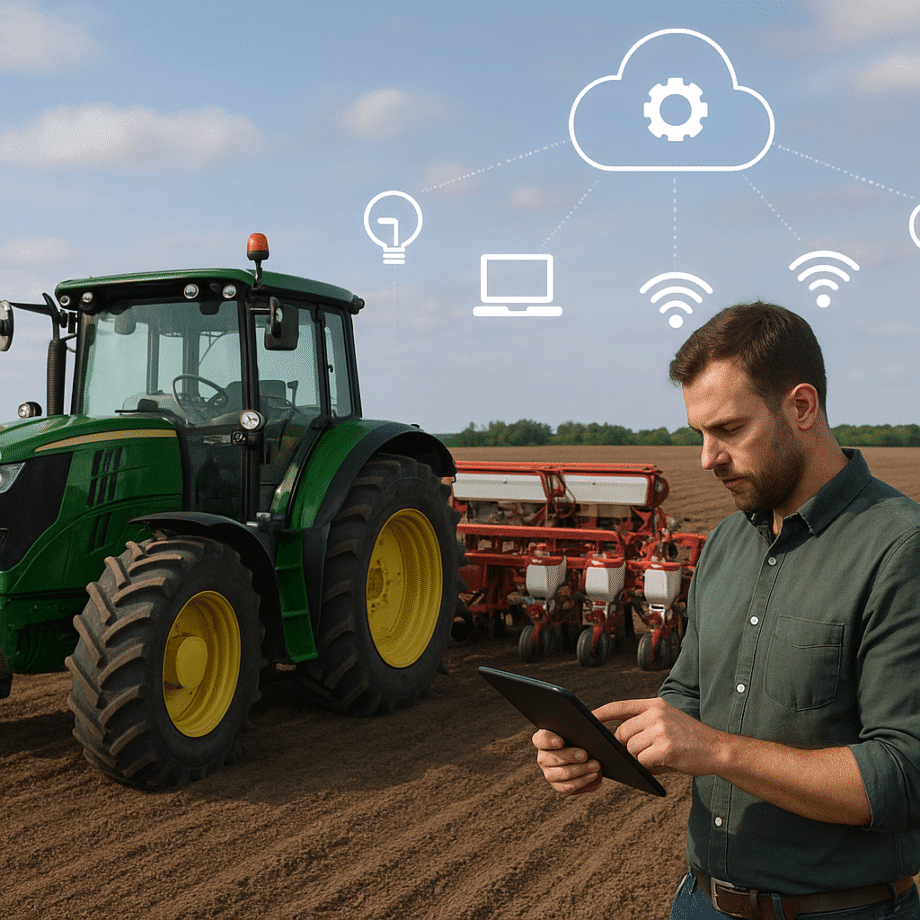
Agricultural machinery has undergone a dramatic transformation over recent decades, evolving from simple mechanical implements to highly sophisticated systems driven by advanced software solutions. Modern farms rely on connected devices, real-time data analysis, and intelligent controls to boost productivity, minimize waste, and promote sustainable practices. This article explores the extensive role of software integration in agricultural equipment, highlighting key historical shifts, the benefits of digitalization, and the challenges lying ahead.
Evolution of Agricultural Machinery
From Steam Engines to Smart Tractors
The earliest mechanization efforts in farming began with the introduction of the steam engine in the 19th century. Farmers swapped manual labor for steam-driven harvesters and plows, setting the stage for mass production. As the 20th century progressed, diesel-powered tractors revolutionized fieldwork, offering enhanced power and durability. The emergence of electronics in the late 20th century laid the groundwork for integrating computational systems into farm machinery.
- Mechanical era: Plows, harrows, and seed drills.
- Engine-driven phase: Steam and internal combustion engines.
- Electronic integration: Sensors, GPS, and basic controllers.
- Intelligent systems: Real-time monitoring and autonomous operation.
Each stage in this progression has been driven by the quest to increase efficiency, reduce labor costs, and expand the scale of production. The synergy of hardware and software solutions has opened new possibilities for precision and resource management.
Software Integration: Enhancing Efficiency and Precision
Key Components of Modern Systems
At the core of contemporary agricultural equipment lies an array of interconnected modules:
- Sensors for soil moisture, nutrient levels, and weather conditions.
- GPS and GNSS units to ensure pinpoint field positioning.
- Actuators controlling planting, spraying, and harvesting functions.
- Telematics devices transmitting operational data to cloud platforms.
- User interfaces on touchscreens, mobile apps, and dashboards for operator input.
These elements communicate through robust networks, often leveraging IoT gateways and cellular or satellite connectivity. Software integration ensures that all components act in concert, delivering seamless performance across diverse tasks.
Precision Agriculture and Data Management
Precision agriculture represents a paradigm shift from blanket treatments to data-driven decisions tailored to micro-variations within fields. Advanced mapping tools generate high-resolution maps of soil properties, enabling variable-rate applications of seeds, fertilizers, and pesticides. By syncing machinery with geospatial databases, farmers optimize input use, cut operational costs, and minimize environmental impact.
- Variable-Rate Technology (VRT): Dynamically adjusts application rates in real time.
- Yield Mapping: Records crop output per square meter for future planning.
- Field Scouting Apps: Mobile platforms for recording pest or disease incidents.
Efficient data collection and analysis are made possible by cloud-based platforms that aggregate information from multiple machines and seasons. Machine learning algorithms then extract actionable insights, enabling predictive maintenance schedules and yield forecasts.
Operational Advantages and Return on Investment
Labor Savings and Process Automation
Integrating software with machinery allows for higher levels of automation, reducing the dependence on manual labor. Automated steering systems guide tractors along precise routes, while robotic arms handle tasks like pruning or fruit picking with minimal human intervention. Such automation not only cuts labor costs but also improves consistency and speed.
Resource Optimization and Environmental Benefits
Software platforms help farmers optimize the use of water, fertilizer, and agrochemicals, promoting sustainability. By applying inputs exactly where needed, run-off and leaching are reduced, protecting surrounding ecosystems. Real-time monitoring systems alert operators to equipment malfunctions or resource shortages, preventing costly downtimes and environmental incidents.
- Water management: Automated irrigation based on soil moisture readings.
- Nutrient management: Targeted fertilizer distribution using prescription maps.
- Pest control: Site-specific applications reducing chemical overuse.
Challenges and Future Prospects
Interoperability and Standardization
One of the main barriers to full-scale adoption of integrated systems is the lack of universal standards. Different manufacturers use proprietary protocols, complicating connectivity between devices. Efforts are underway to establish open interfaces and modular architectures, enabling seamless integration of third-party sensors, controllers, and software tools.
Cybersecurity and Data Privacy
With increasing digitalization comes a growing vulnerability to cyber threats. Ensuring robust encryption, access controls, and secure data storage is vital to guard against unauthorized access and data breaches. Building trust in rural areas requires clear policies on data ownership and transparent handling of sensitive operational information.
Advances in Artificial Intelligence and Robotics
Looking forward, artificial intelligence promises to further revolutionize agricultural operations. Advanced image recognition can detect crop stress, identify weeds, and guide robotic harvesters. Deep learning models will refine optimization processes by analyzing patterns across thousands of farming scenarios. Emerging drone swarms may provide near-instant aerial surveys, while edge computing reduces latency in decision-making tasks.
- Computer Vision: Real-time crop health assessment.
- Autonomous Vehicles: Driverless tractors and sprayers.
- Edge AI: On-machine processing for low-latency responses.
Ultimately, the future of agriculture will hinge on a harmonious blend of mechanical innovation and digital sophistication. By embracing modular software architectures, secure networks, and intelligent algorithms, the sector can meet the dual demands of feeding a growing population and preserving the planet’s vital resources.