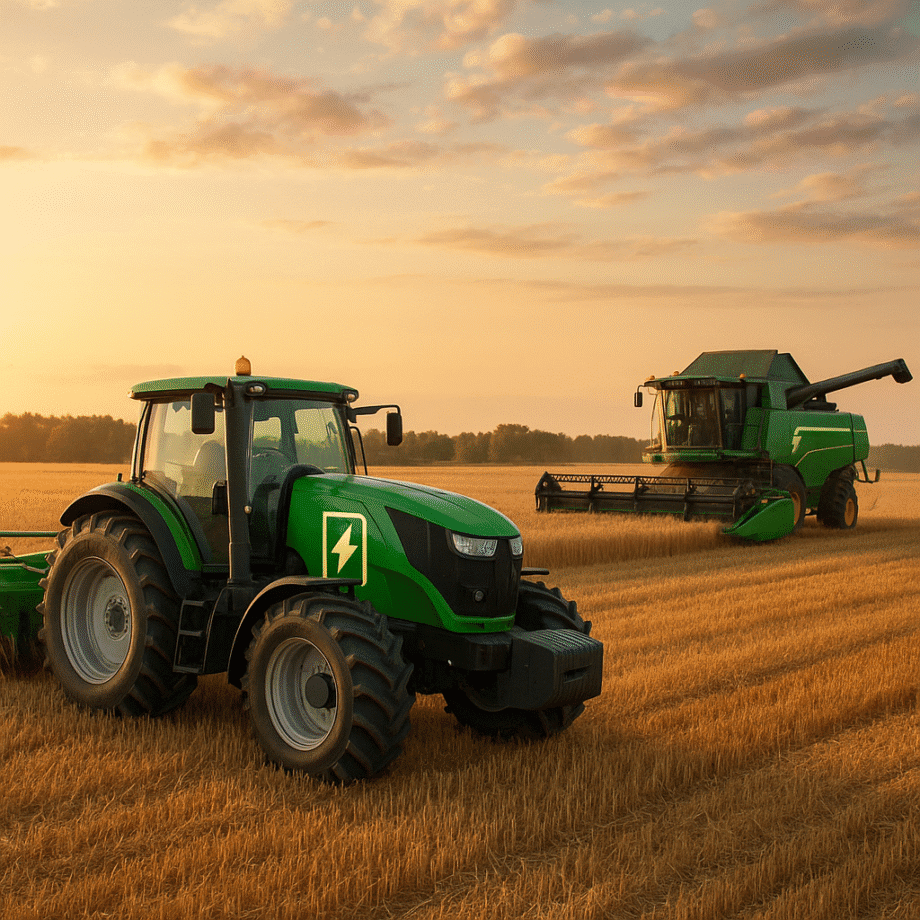
Agricultural machinery has undergone a profound transformation over the past few decades, driven by the need for greater efficiency, reduced environmental footprint, and enhanced farmer livelihoods. From the earliest plows drawn by oxen to modern autonomous harvesters, each leap in technology has reshaped the way land is cultivated, crops are tended, and yields are harvested. The latest wave of innovation centers on the shift to electrification and emission-free solutions, particularly through the development of battery-powered agricultural machines. This article explores the evolution of farming equipment, the rise of electric-powered options, their benefits and challenges, and the road ahead for sustainable mechanized agriculture.
Evolution of Agricultural Machinery
The roots of mechanized farming extend back to the Industrial Revolution, when steam engines began to replace manual labor and draft animals. Over time, internal combustion engines and hydraulic systems became the backbone of agricultural equipment, ushering in tractors, combines, and planters that could work faster and cover more acreage. Each iteration addressed limitations of the past, improving soil preparation, planting precision, and harvesting speed. Yet, this progress came at a cost: increased reliance on fossil fuels and a corresponding rise in greenhouse gas emissions.
From Steam to Diesel
- Early steam-powered plows and traction engines laid the groundwork for large-scale cultivation.
- Transition to gasoline and diesel engines provided greater power density and operational flexibility.
- Hydraulic systems enabled implements to be raised, lowered, and adjusted with unprecedented precision.
- Integration of GPS and computer control in the late 20th century paved the way for precision agriculture.
Precision Agriculture and Automation
In recent decades, farmers have embraced satellite guidance, sensor networks, and data analytics to optimize resource use. With real-time soil moisture monitoring, variable-rate fertilizer application, and yield mapping, modern tractors and combines operate with surgical accuracy. This era of innovation has boosted productivity while conserving water and chemicals. Still, the core energy source remained fossil fuels, prompting calls for cleaner alternatives.
Battery-Powered Innovations
The convergence of advanced battery technology, electric motors, and digital controls has given rise to a new generation of agricultural machines. These battery-powered units promise sustainability and reduced operational costs, alongside quieter operation and lower maintenance needs. While electrified tractors have existed in prototype form for years, recent commercial models are making their way onto farms worldwide.
Key Components of Electric Machinery
- High-density batteries: Lithium-ion and emerging solid-state cells store sufficient energy for fieldwork.
- Electric drivetrains: Provide instant torque and responsive power delivery without the need for complex gearboxes.
- Regenerative braking: Recovers energy during deceleration and implement lowering.
- Smart management systems: Coordinate battery use, monitor cell health, and optimize charging cycles.
Examples of Battery-Powered Equipment
Several manufacturers now offer a range of electric agricultural vehicles and implements:
- Electric Tractors with up to 60 kW of continuous power, capable of plowing and tilling.
- Autonomous Seeders powered by onboard batteries and guided by drone-based navigation.
- Battery-driven Sprayers featuring precise nozzle control and reduced chemical drift.
- Electric Harvesters equipped with high-capacity battery packs for continuous grain or fruit collection.
Benefits and Challenges
The shift toward battery-powered agriculture machinery brings a host of advantages but also poses significant hurdles. Understanding both sides is crucial for widespread adoption.
Advantages
- Emission-Free Operation: Zero tailpipe emissions help farms meet resilience goals and regulatory requirements.
- Lower Noise Levels: Quiet motors reduce stress on operators and minimize disturbance to livestock and surrounding communities.
- Reduced Maintenance: Fewer moving parts, no oil changes, and simpler powertrains translate to lower downtime.
- Energy Cost Savings: Electricity can be more stable in price than diesel, especially when paired with on-site renewable generation.
- Autonomy Integration: Electric platforms more easily support sensors, computing units, and autonomous control systems.
Challenges
- Battery Capacity: Current battery energy density can limit operating hours and require frequent recharging breaks.
- Charging Infrastructure: Rural areas often lack high-capacity charging stations, complicating refills of power.
- Upfront Costs: Electric machinery typically commands a price premium over traditional counterparts.
- Weight Distribution: Heavy batteries can alter traction and soil compaction characteristics, affecting field performance.
- Technology Standardization: Lack of common charging protocols and battery formats can hinder interoperability between brands.
Transition Strategies for Farmers
Adopting battery-powered equipment often requires more than simply swapping machines. Farmers and service providers are crafting strategies to ease the transition, combining traditional and electric technologies in hybrid workflows.
Hybrid Fleets
Many agricultural operations begin by integrating electric models into existing diesel fleets. Tasks requiring shorter runtimes—such as greenhouse work, orchard spraying, or precision planting—are ideal for battery-powered tractors and tools. Diesel units continue to handle heavy tillage and long-distance hauling.
On-Site Energy Solutions
- Solar arrays and small wind turbines can charge batteries directly, boosting self-sufficiency and resilience.
- Battery energy storage systems (BESS) allow farms to manage load peaks and store renewable power for after-sunset charging.
- Microgrid setups ensure operation continuity, even during grid outages.
Training and Support
Workforce development is essential. Technicians require new skill sets in high-voltage safety, battery management, and electric drive maintenance. Manufacturers are partnering with vocational schools and extension services to offer certification programs. Farmers also benefit from digital tools that monitor machine health, predict maintenance needs, and optimize energy use.
Future Outlook
The momentum behind battery-powered agricultural machinery shows little sign of slowing. Advances in solid-state batteries, faster charging technologies, and modular power packs will extend runtimes and reduce weight. Collaboration between equipment manufacturers, energy providers, and policymakers will be key to building the necessary charging infrastructure and incentive programs. Emerging concepts—such as swappable battery cartridges and solar-powered autonomous robots—offer a glimpse of fully integrated, carbon-neutral farming systems.
As the global population rises and the pressure on food systems intensifies, the agricultural sector must embrace sustainable solutions without sacrificing productivity. Battery-powered machines are not a silver bullet, but they represent a powerful tool in the drive toward resilience, sustainability, and long-term economic viability for farms around the world.