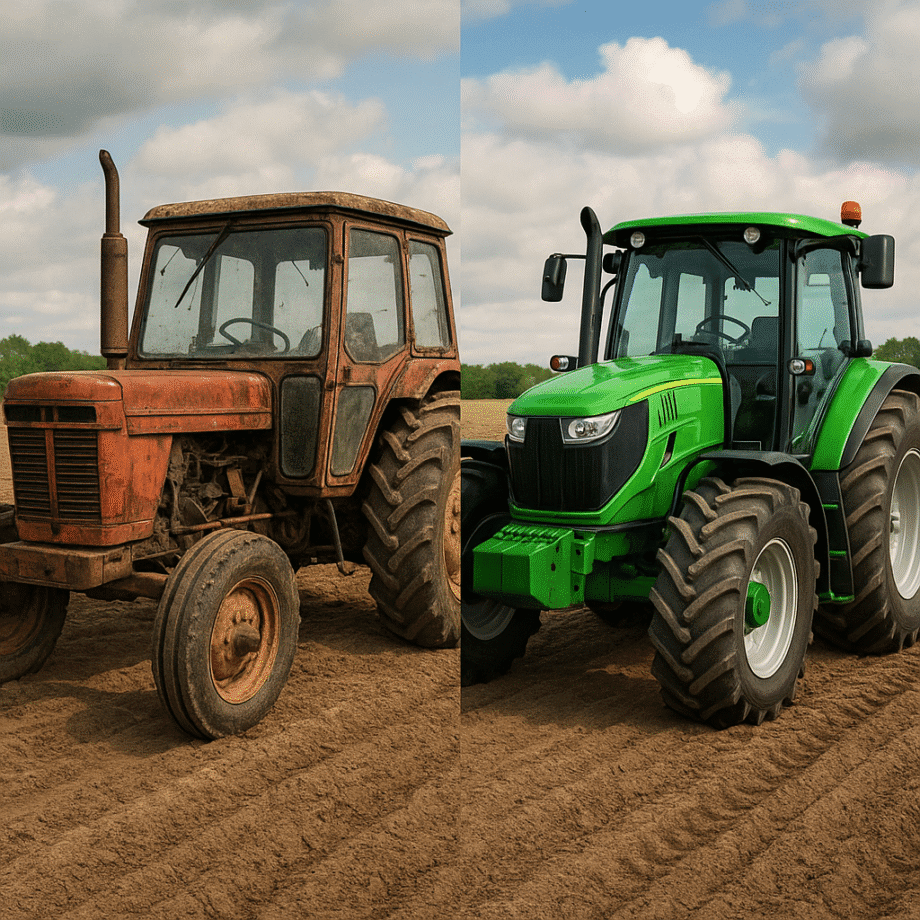
Choosing the right agricultural machinery can make or break a farm’s productivity and profitability. Farmers often weigh the benefits of **investment** in brand-new equipment against the potential savings of purchasing **used** machinery. Each option presents unique advantages and challenges, from up-front costs to long-term **depreciation**, and from cutting-edge features to potential maintenance surprises. This article explores the key factors to consider when deciding between new and used farm equipment.
Cost Considerations
Budget constraints often drive the choice between new and used machinery. New tractors, combines, and implements carry hefty price tags, but they also come with factory warranties and the latest technology. On the other hand, used equipment can be acquired for a fraction of the original cost, freeing up capital for other farm necessities.
Advantages
- Lower up-front cost reduces financial strain
- Immediate availability of cash for seeds, fertilizers, or labor
- Possibility of negotiating price or financing terms
Disadvantages
- Accelerated **depreciation** in early years may not always justify savings
- Potential hidden costs from repairs or refurbishments
- Financing rates might be higher on used assets
Performance and Technology
Modern agricultural machinery integrates advanced systems like GPS guidance, telematics, and automated steering. Such features enhance **precision** planting, reduce overlap, and improve overall **efficiency**. New equipment typically offers superior performance, while older models may lack these innovations.
Advantages
- State-of-the-art sensors and controls for optimized planting and harvesting
- Software updates and connectivity for real-time monitoring
- Enhanced fuel economy and emissions compliance
Disadvantages
- Higher complexity may require specialized training
- Repair or replacement of electronic components can be expensive
- Used machinery may lack integration with modern farm management platforms
Maintenance and Reliability
Reliability is crucial during peak seasons when downtime can lead to significant crop losses. Brand-new machinery typically arrives with factory-tested components and full **warranty** coverage. Conversely, used equipment might show wear on critical parts, raising questions about long-term **durability**.
Advantages
- New machines often include service packages or extended warranties
- Zero miles/hours of usage mean components are fresh
- Manufacturer support and spare parts readily available
Disadvantages
- Used equipment may require pre-purchase inspections or overhauls
- Risk of breakdowns outside warranty coverage
- Older models could have discontinued parts
Resale Value and Depreciation
Understanding how quickly a machine loses value is essential for long-term planning. New farm equipment depreciates most steeply within the first few years, but retains higher resale price than older models. Used equipment often depreciates at a slower rate, potentially offering better value retention over time.
Advantages
- Slower **depreciation** curve once initial drop has occurred
- Lower cost basis can mean higher relative resale profit
- Buyers seeking affordability often target well-maintained used machines
Disadvantages
- Market fluctuations can affect **resale value** unpredictably
- Older machinery might suffer from obsolescence
- Limited demand for outdated brands or models
Availability and Customization
Farms vary widely in their operational needs, so finding equipment pre-configured for specific tasks can be challenging. New machinery offers extensive factory options for attachments, tire choices, and power ratings. Used equipment may come with pre-installed modifications but could require further **customization** to match your farm’s unique demands.
Advantages
- Immediate fitment for specialized implements (e.g., planters, sprayers)
- Possibility of low-mileage, one-owner equipment
- Opportunity to test-market equipment suitability before buying new
Disadvantages
- May need additional work to adapt to current farm layout
- Custom parts or aftermarket add-ons might lack quality assurance
- Limited selection in certain regions or during peak seasons
Environmental Impact
Sustainability is an increasing priority in modern agriculture. New tractor engines are designed to meet stringent emissions standards, using advanced after-treatment systems to reduce pollutants. Purchasing **used** equipment can still be environmentally responsible if the machinery is well-maintained and operated efficiently.
Advantages
- Extends the life cycle of existing machinery, reducing waste
- Potential to retrofit older models with emission-control devices
- Lower manufacturing footprint compared to building new units
Disadvantages
- Older engines may consume more fuel and emit higher pollutants
- Limited ability to upgrade to zero-emission powertrains
- Potential environmental compliance issues in certain jurisdictions
Decision-Making Framework
Choosing between new and used agricultural machinery depends on farm **budget**, scale, crop type, and long-term goals. Small operations might benefit from reliable, basic used machines, while larger enterprises could justify the cost of advanced new equipment. Conducting a detailed cost-benefit analysis—including financing, maintenance projections, and resale forecasts—helps align purchases with operational objectives.
Ultimately, the right choice balances immediate financial constraints with future productivity gains. By scrutinizing factors like **investment** horizon, technological requirements, and environmental priorities, farmers can select machinery that fosters both profitability and sustainability.