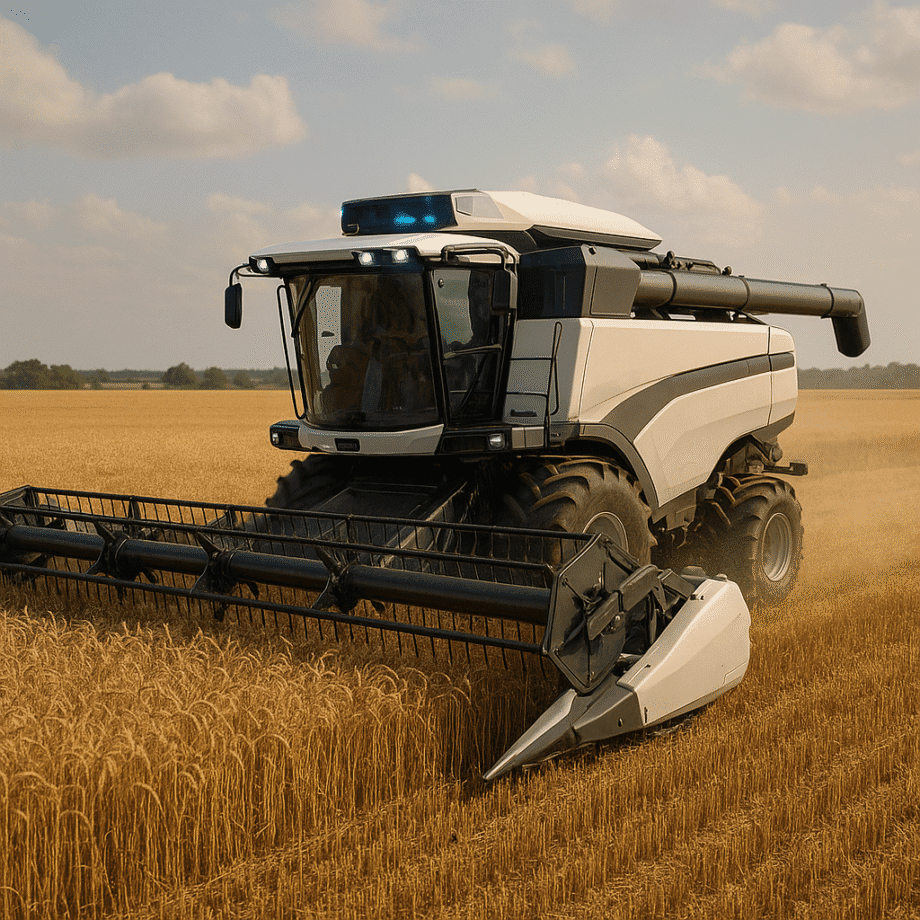
The agricultural landscape is on the brink of a transformative shift as self-driving combine harvesters move from experimental prototypes to commercial reality. Far beyond simple automation, these machines leverage advanced technologies to redefine the way fields are harvested. Farmers around the world stand to benefit from enhanced efficiency, lowered operational costs, and improved crop yields by embracing a new era of mechanized, data-driven harvesting. This article delves into the cutting-edge innovations driving this revolution, the integration with precision agriculture, the economic and environmental consequences, and the roadblocks that lie ahead.
Autonomous Harvesting Technology Revolution
Combines equipped with autonomous capabilities represent a fusion of traditional agricultural engineering and modern robotics. Through the integration of AI, sophisticated guidance systems, and real-time analytics, these harvesters can navigate large fields with minimal human oversight. The synergy between onboard computing power and embedded sensors has created machines capable of making split-second decisions to optimize cutting height, monitor grain quality, and adjust to changing terrain. This section explores the core technologies unlocking their full potential.
Sensor Fusion and Advanced GNSS
At the heart of every self-driving combine is a network of high-precision GPS and GNSS receivers, combined with LiDAR, radar, and optical cameras. By fusing data from these sensors, machines generate a comprehensive map of the field’s topography, crop density, and moisture levels. This multi-modal perception allows the harvester to detect obstacles—such as irrigation equipment or bales of straw—and adapt its path accordingly. In adverse weather or low-visibility conditions, redundant sensing ensures continuous operation without compromising safety or productivity.
Machine Learning for Dynamic Decision-Making
Self-driving harvesters rely on machine learning models trained on terabytes of agronomic data. Pattern recognition algorithms classify crop stages, detect weed intrusions, and predict harvest yield based on real-time imagery. With each pass over the field, the combine’s onboard processors refine their models, improving accuracy and responsiveness. Adaptive control loops adjust reel speed, threshing intensity, and cleaning fan rates to match current crop conditions. This dynamic decision-making framework transforms a one-size-fits-all machine into a customizable tool tailored to each farm’s unique characteristics.
Integration with Precision Farming Systems
Precision agriculture has already revolutionized planting, fertilization, and irrigation. Self-driving combines extend this revolution to the final—and critical—stage of crop production. By linking autonomous harvesters with farm management software, growers gain a holistic view of their operation. Data flows seamlessly from planting drones to combines, creating a continuous feedback loop that supports informed decision-making for seasons to come.
- Yield Mapping: Real-time tracking of harvested volumes across the field enables creation of detailed maps, identifying high- and low-yield zones for targeted interventions.
- Variable Rate Harvesting: By analyzing in-situ crop conditions, combines can adjust cutting widths and threshing parameters on-the-fly, conserving fuel and maximizing throughput.
- Seamless Cloud Connectivity: Harvest data is uploaded to cloud platforms where agronomists and farm managers collaborate on strategic adjustments for nutrient management and crop rotation.
Economic and Environmental Impacts
The adoption of autonomous combine harvesters carries significant economic implications. While the initial capital outlay may be higher than that of traditional machines, long-term savings on labor, fuel, and maintenance rapidly offset the cost. Moreover, the productivity gains realized through precision harvesting translate into higher net revenues, as less grain is lost due to suboptimal settings or human fatigue. Environmentally, self-driving combines support more responsible resource use and reduced carbon emissions per ton of grain harvested.
Cost Efficiency and Labor Dynamics
Labor shortages in agriculture have driven up wages and created uncertainty during peak seasons. Autonomous systems alleviate this pressure by performing time-sensitive tasks with unwavering consistency. Growers can redeploy skilled workers to specialized roles—such as machine diagnostics or data analysis—elevating overall labor productivity. Additionally, optimized engine loads and route planning reduce fuel consumption by up to 15%, further enhancing cost efficiency and lessening dependence on fluctuating energy markets.
Sustainability Through Precision
Precise control over harvesting parameters helps minimize crop damage and soil compaction. By maintaining optimal ground pressure and employing intelligent steering algorithms, self-driving combines reduce the risk of rut formation, preserving soil structure and water infiltration rates. The ability to harvest at variable speeds—tailored to crop density—ensures that unripe or overripe sections are handled appropriately, supporting sustainability goals and promoting long-term soil health.
Regulatory and Implementation Challenges
The transition to autonomous combines is not without hurdles. Regulatory frameworks governing unmanned agricultural vehicles vary widely between regions, creating uncertainty for manufacturers and farmers alike. Safety standards, liability rules, and insurance requirements must evolve to accommodate driverless operations. Meanwhile, rural broadband coverage and on-farm connectivity remain uneven, limiting real-time data exchange in remote areas.
- Certification Protocols: Approval processes for driverless machinery demand rigorous testing to ensure failsafe mechanisms and compliance with regional safety directives.
- Liability and Insurance: Determining fault in the event of collisions or equipment malfunctions requires clear legal definitions and specialized insurance products tailored to autonomous operations.
- Connectivity Infrastructure: Reliable cellular or satellite links are essential for remote monitoring and over-the-air updates, but many farming regions still lack adequate bandwidth.
Looking Ahead: Innovations on the Horizon
Manufacturers and research institutions are already exploring enhancements to further empower self-driving combines. Collaborative harvesting fleets—where multiple autonomous machines communicate and coordinate—promise to dramatically increase throughput on large-scale farms. Integration of augmented reality interfaces will allow operators to oversee multiple harvesters simultaneously, intervening only when necessary. Advancements in energy storage and alternative fuels could lead to electric or hydrogen-powered combines, delivering zero-emission harvesting solutions.
The synergy of robotics, innovation, and agronomic expertise heralds a future where farms operate with unprecedented precision and minimal human labor. As technology matures, the self-driving combine harvester will become an indispensable asset, enabling farmers to meet global food demands while preserving the planet’s resources. The path forward demands collaboration among equipment manufacturers, policymakers, and the agricultural community to unlock the full potential of this remarkable machinery.