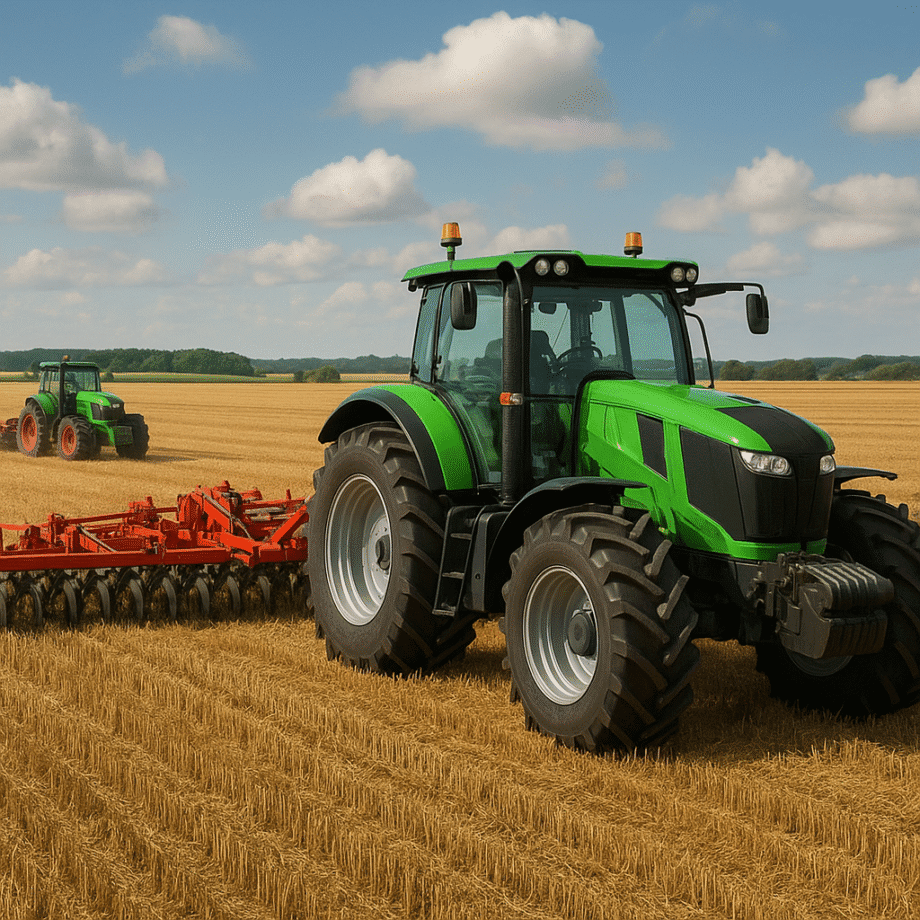
The agricultural landscape is undergoing a rapid transformation, driven by breakthroughs in engine design, automation, and connectivity. As farmers seek tools that boost output while minimizing costs, the spotlight shines on machines combining power, adaptability, and cutting-edge technology. In this article, we explore the most influential trends, scrutinize the leading tractor models of 2025, and outline the criteria that will shape purchasing decisions in modern agriculture.
Evolution of Tractor Technology
The lineage of the modern tractor traces back to steam-powered pioneers of the 19th century, evolving through the diesel revolution and later embracing microprocessors and GPS guidance. Today’s machines are marvels of innovation, merging mechanical reliability with digital intelligence. Engineers have progressively integrated electronic control units (ECUs), advanced hydraulics, and real-time data analytics to create platforms that adapt to diverse field conditions with unprecedented precision.
Historical Milestones
- 1892: First commercially viable steam tractor enters service.
- 1930s: Diesel engines begin replacing gasoline, offering improved torque.
- 1980s: Introduction of global positioning systems enhances field accuracy.
- 2010s: Telematics and remote diagnostics pave the way for smart farming.
- 2020s: Autonomous prototypes start operating in controlled environments.
From Mechanization to Digitalization
Modern tractors do more than pull implements. They function as mobile data centers, collecting soil moisture levels, yield maps, and engine performance metrics. This shift toward digitalization enables agronomists to refine planting strategies, optimize harvest timing, and reduce resource waste. As connectivity standards improve, tractors communicate seamlessly with drones, sprayers, and combine harvesters, forming an integrated ecosystem where each unit shares insights in real time.
Emerging Features in 2025 Tractor Models
Autonomous Operation
By 2025, several manufacturers will roll out production tractors capable of fully autonomous operation. Cutting-edge sensors—including LiDAR, radar, and machine vision cameras—allow these machines to navigate complex terrains, detect obstacles, and adjust speed without human intervention. Remote operators can oversee multiple units via control centers, with emergency-stop protocols ensuring safety. Autonomous fleets promise to address labor shortages and extend working hours beyond daylight limits.
Electric and Hybrid Powertrains
The push for zero-emission agriculture has accelerated the development of all-electric and hybrid tractors. Electric drivetrains offer instant torque, quieter operation, and simplified maintenance by eliminating complex diesel after-treatment systems. Hybrid models combine batteries with small diesel generators, extending range and ensuring uninterrupted performance. Farmers can recharge during downtimes or swap modular battery packs, optimizing uptime and minimizing fuel expenses.
Smart Sensors and Telematics
Real-time monitoring is now standard. Advanced telematics platforms gather data on fuel consumption, engine load, hydraulic pressure, and implement performance. Field boundaries, planting density, and chemical application rates are logged automatically, enabling precise adjustments on the go. Beyond basic mapping, predictive analytics forecast maintenance needs, alerting technicians before breakdowns occur. This proactive approach enhances efficiency and reduces unexpected downtime during peak seasons.
Top Contenders for Modern Farming in 2025
Tractor A: Titan X-9000
The Titan X-9000 stands out for its 400-horsepower hybrid drivetrain, delivering robust performance and up to 10 hours of electric-only operation. Its cabin features an intuitive touchscreen interface, integrated video feeds, and voice-activated commands. The X-9000’s auto-steer system boasts sub-inch accuracy, while optional robotic hitching reduces setup time when switching implements. Built-in satellite connectivity allows data syncing even in remote fields.
Tractor B: AgroTech Alpha One
AgroTech’s flagship model introduces a fully electric powertrain rated at 350 horsepower, complemented by regenerative braking that recharges batteries during downhill operations. The Alpha One incorporates advanced collision avoidance, using ultrasound and camera arrays to navigate between densely planted orchards. A swappable battery module gives farmers flexibility in long-day operations, and over-the-air software updates introduce new features without dealer visits.
Tractor C: GreenFields ProNova
Designed with sustainability in mind, the ProNova uses biofuel-compatible engines and a high-efficiency hydraulic system that minimizes energy loss. Its payload capacity allows it to tow large planters and heavy tillage equipment, while the low center of gravity ensures stability on slopes. The enclosed cab features air filtration systems that reduce operator exposure to dust and chemicals, enhancing comfort and safety.
Key Considerations for Tractor Purchasers
- Engine Type: Diesel, hybrid, or electric—each offers distinct cost, maintenance, and performance profiles.
- Horsepower Needs: Match tractor output to implement demands to avoid underutilization or strain.
- Implements Compatibility: Ensure universal hitch standards and hydraulic flow rates align with existing equipment.
- Connectivity: Reliable cellular or satellite links enable full use of telematics and remote management.
- Service Network: Proximity of authorized technicians and parts availability can make or break uptime.
Environmental Impact and Future Trends
As agriculture accounts for a significant portion of global greenhouse gas emissions, tractors play a pivotal role in the shift toward greener practices. Next-generation engines aim for lower nitrogen oxides and particulate outputs, while electric alternatives further reduce on-farm pollution. Beyond powertrain changes, manufacturers experiment with biodegradable hydraulic fluids, solar-augmented charging stations, and modular attachments that extend machine lifespans.
Looking ahead, the fusion of robotics, robotics, AI-based field analysis, and machine learning will refine crop management to an unprecedented degree. Decision-support systems will propose planting patterns based on microclimate data, while fleets of cooperative machines handle tasks from seedbed preparation to harvest. The ultimate goal is a self-optimizing farm where each tractor contributes to a holistic strategy for maximum yield with minimal waste.
By embracing these advancements—from battery-powered drivetrains to data-driven maintenance—farmers can elevate productivity, safeguard the environment, and secure their operations against labor shortages and fluctuating energy costs. The tractors of 2025 are more than tools; they are smart partners on the path toward a sustainable and prosperous agricultural future.