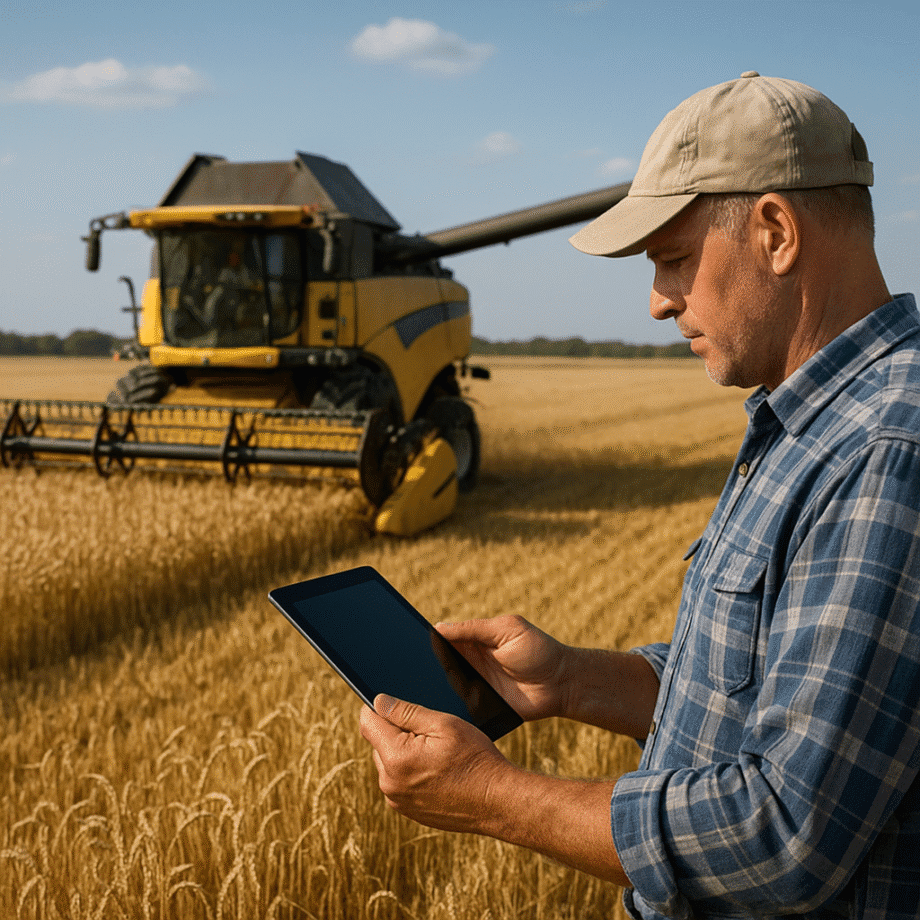
In modern agricultural operations, smart farming technologies have reshaped the way producers manage fields. Among these innovations, GPS-enabled harvesters stand out for their ability to boost productivity and unlock new levels of farm management. By integrating satellite-based positioning and advanced control systems, these machines provide unparalleled accuracy in field operations, which leads to measurable improvements in crop handling and resource utilization.
Enhanced Precision Agriculture
One of the primary benefits of GPS-enabled harvesters is the leap forward in precision agriculture. Traditional equipment often relies on manual steering or basic guidance systems, resulting in overlaps or gaps during harvesting. In contrast, satellite-assisted harvesters follow optimized trajectories, ensuring every row is harvested exactly once. This accuracy reduces grain loss and minimizes damage to plants left for subsequent harvests.
Improved Field Mapping
Accurate mapping of fields is crucial for planning harvesting routes. GPS-enabled harvesters generate real-time field maps that capture boundaries, obstacles, and yield variations. Farmers can review these digital maps through dashboards or mobile apps, adjusting routes to avoid unnecessary turns and minimize soil compaction. The result is a consistent pattern of passes that maximizes coverage without redundancy.
Targeted Application
With the aid of GPS data, operators can implement variable-rate harvesting and in-field sorting. Zones with different crop densities or moisture levels can be prioritized or handled differently. This targeted approach elevates overall yield by preventing overharvesting in low-density areas and focusing attention on spots where grain is denser, ensuring high-quality output.
Operational Efficiency and Cost Reduction
Beyond precision, GPS-enabled harvesters drive significant improvements in overall farm efficiency. By automating steering and route planning, operators spend less time correcting paths and more time harvesting. This translates into reduced labor costs and lowered fatigue, which is particularly important during tight harvesting windows when weather can pose risks.
- Reduced fuel consumption through optimized routes
- Minimized overlaps and field passes
- Lower maintenance needs from smoother operation
Time Management
Harvest windows are often narrow, and weather delays can lead to crop spoilage. GPS-enabled systems record and analyze machine speed, field conditions, and yield data, enabling managers to schedule harvesters efficiently across multiple fields. This real-time coordination reduces downtime and ensures that all assets are deployed where they are most needed, cutting overall project duration.
Fuel Optimization
By reducing unnecessary back-and-forth movements, GPS guidance helps harvesters maintain a steady pace, avoiding heavy acceleration and braking cycles. Over a season, this steadier operation can save hundreds of liters of diesel, directly lowering variable costs.
Data Collection and Analysis
Modern agriculture relies heavily on actionable data. GPS-enabled harvesters continuously log information on harvested tonnage, machine performance, and field conditions. Data sets become richer over time, enabling predictive maintenance schedules that prevent breakdowns during peak season.
Aggregated data from multiple harvesters can feed into farm management software, highlighting trends in soil fertility, crop health, and equipment utilization. Analytics tools can then recommend field rotations, irrigation adjustments, or fertilizer applications tailored to specific zones, driving smarter decision-making.
Environmental Impact and Sustainability
Sustainability remains a central concern in contemporary agriculture. GPS-enabled harvesters contribute to sustainability by reducing resource waste and preserving soil structure. Precise passes mean less soil compaction, promoting better aeration and water infiltration. Additionally, reduced fuel consumption cuts greenhouse gas emissions.
Variable-rate harvesting also allows for conservation practices, such as leaving buffer strips near waterways or preserving habitats for beneficial insects. By integrating GPS data with environmental maps, farmers can align their operations with regulatory requirements and biodiversity goals.
Future Trends and Integration
The next wave of developments will enhance automation even further. Autonomous harvesters equipped with machine-learning algorithms will adjust settings on-the-fly, optimizing cutter speed, fan rate, and threshing parameters without human intervention. Advances in connectivity through 5G networks will enable fleets of machines to coordinate movements, avoiding collisions and balancing workloads in real time.
Integration with unmanned aerial vehicles (UAVs) will provide overhead imagery that, combined with GPS datasets, can pinpoint crop stress or pest infestations ahead of harvest. This holistic approach to farm management ensures that harvesters arrive with the best possible plan, maximizing output and preserving crop quality.
In the coming years, the fusion of satellite navigation, robotics, and advanced analytics will redefine harvest operations. As these systems become more accessible and affordable, both large-scale producers and smallholder farmers will benefit from the enhanced accuracy and resource savings that GPS-enabled harvesters deliver.