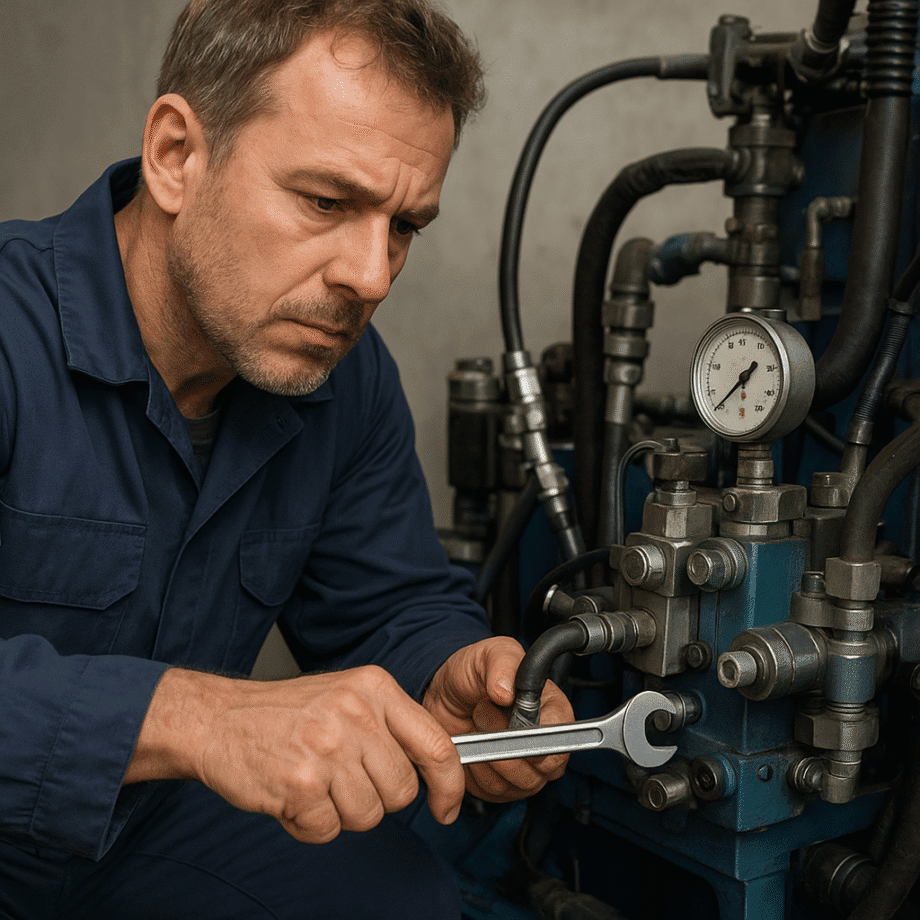
Hydraulic systems are the backbone of modern agricultural machinery, transforming the power generated by engines into precise, controlled motion. When these systems malfunction, productivity can plummet, leading to costly downtime. A solid grasp of the factors that lead to failures and a structured approach to **diagnostics** can help farmers and technicians maintain **efficiency** and extend equipment **lifespan**.
Understanding Hydraulic Failures in Agricultural Equipment
Agricultural machines rely on hydraulic circuits to drive implements such as loaders, plows, and balers. Failures often stem from issues with pressure, fluid quality, or component wear. By pinpointing the root causes, you can address the issue before it escalates.
Common Causes of System Breakdown
- Contaminated hydraulic fluid interfering with valve operation
- Worn or damaged seals leading to internal or external leaks
- Overheating from excessive friction or inadequate cooling
- Pump cavitation resulting from low fluid level or air ingress
- Incorrect fluid viscosity reducing **performance** under varying temperatures
Key Components at Risk
Knowing which parts are most vulnerable can guide your inspections:
- Pumps: Critical for converting mechanical energy into hydraulic energy. Signs of wear include increased noise and reduced output.
- Valves: Responsible for directing flow and pressure. Sticking or slow response often indicates contamination or wear.
- Actuators and Cylinders: Convert fluid power into linear or rotational motion. Leaks around rod seals are a frequent issue.
- Hoses and Fittings: Flexible conduits that transmit fluid. Look for bulges, cracks, or loose connections.
Step-by-Step Diagnostics and Troubleshooting Techniques
A systematic approach to troubleshooting can dramatically reduce the time spent identifying and fixing hydraulic faults. Begin with a visual and auditory inspection, then proceed to pressure and flow measurements.
Initial Visual and Auditory Checks
- Inspect reservoir fluid level and check for discoloration or foaming.
- Listen for unusual noises: knocking or whining may signal pump issues or air entrainment.
- Examine hoses and connections for leaks or damage.
- Check temperature: excessive heat can degrade fluid and damage seals.
Pressure Testing and Flow Measurement
Use a calibrated gauge to measure system pressure at the pump outlet and critical points downstream:
- Compare readings with manufacturer specifications to detect pressure drops.
- Measure actuator speed and compare with expected performance to identify flow restrictions.
- Monitor pressure relief valve operation to ensure it’s opening at the correct setting.
Contamination Analysis and Fluid Sampling
Contaminants like dirt, water, or metal particles are leading causes of **component** failure. Regular fluid analysis reveals wear trends and helps you plan maintenance.
- Collect fluid samples in clean containers for laboratory testing.
- Check for particle count, moisture, and acid number.
- Install inline filters with condition indicators to catch contaminants proactively.
Preventative Maintenance and Best Practices
Investing time in routine inspection and maintenance can prevent most hydraulic failures. A robust maintenance schedule tailored to field conditions will keep systems operating at peak **efficiency**.
Scheduled Maintenance Tasks
- Replace filters according to hours of operation rather than calendar intervals.
- Change hydraulic fluid when contamination levels exceed safe thresholds.
- Inspect hoses, clamps, and fittings monthly for signs of wear or loosening.
- Lubricate moving parts to reduce **friction** and heat build-up.
Upgrading Filtration and Cooling
Enhanced filtration and cooling help maintain optimal fluid **cleanliness** and **temperature**, extending component life.
- Consider duplex filter assemblies for uninterrupted operation during filter changes.
- Install low-temperature relief valves to protect seals during cold starts.
- Upgrade to a larger heat exchanger or add an auxiliary cooler in hot climates.
Training and Documentation
Proper training ensures operators and technicians understand the importance of routine checks and correct **troubleshooting** procedures.
- Maintain detailed logs of maintenance activities and pressure/flow readings.
- Provide hands-on training for reading gauges, sampling fluid, and recognizing subtle signs of failure.
- Use digital monitoring systems with alarms for critical parameters like pressure spikes and fluid temperature.
Advanced Troubleshooting Scenarios
Some failures demand more intricate diagnostics. By combining data from multiple tests, you can isolate even the most elusive problems.
Intermittent Pressure Loss
- Symptom: Sporadic drops in lifting capacity or actuator speed.
- Cause: Worn pump elements or relief valve chatter.
- Solution: Pressure trace analysis to detect spikes and valve oscillations; replace pump cartridges or rebuild the valve.
Slow Cylinder Extension
- Symptom: Cylinders move sluggishly despite normal pump output.
- Cause: Internal leakage past worn piston seals, or partial blockage in return lines.
- Solution: Conduct flow back tests and inspect rod seal condition; flush lines and replace seals.
Thermal Overload and Fluid Degradation
- Symptom: High fluid temperatures accompanied by dark, burnt-smelling oil.
- Cause: Insufficient cooling capacity or operating outside viscosity range.
- Solution: Upgrade heat exchanger, switch to high-temperature fluid, and verify fan and pump drive alignment.