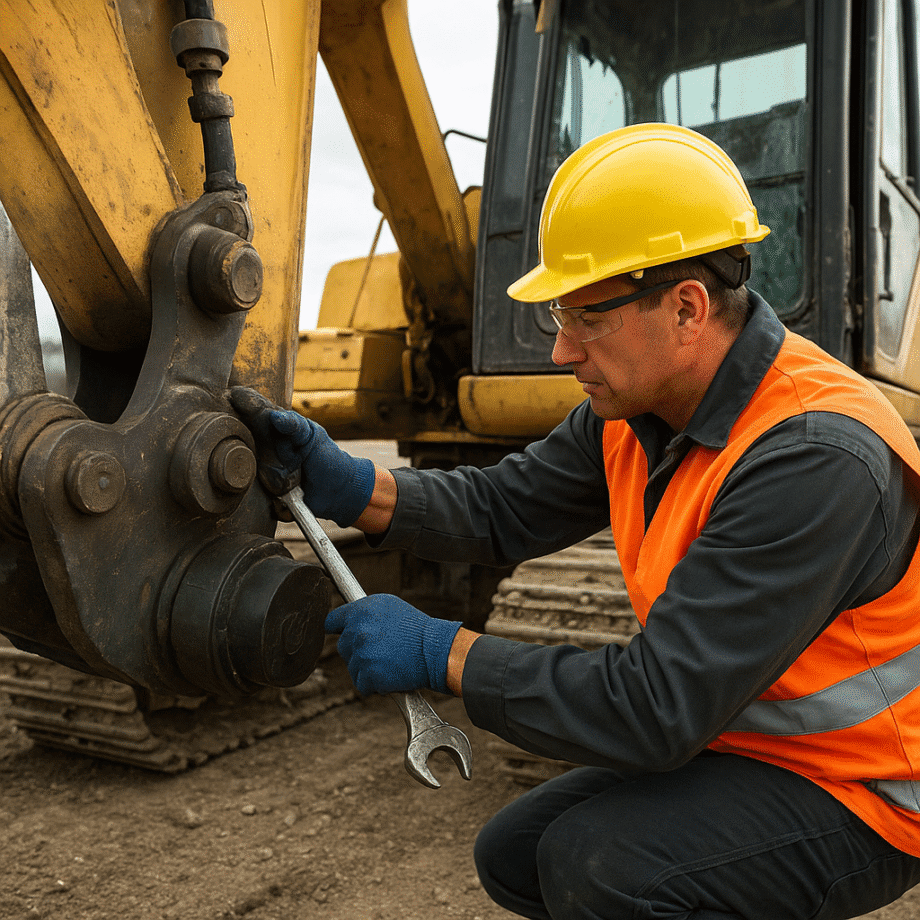
Agricultural enterprises across the globe depend on robust machinery to ensure timely planting, harvesting, and processing of crops. The relentless motion of tractors, harvesters, and tillage implements can introduce intense vibration into their components, potentially causing premature wear, reduced operational efficiency, and costly downtime. Understanding the root causes of these oscillations and applying targeted solutions is essential to protect your heavy equipment investment and maintain peak performance in the field.
Causes and Effects of Vibration in Agricultural Machinery
Excessive vibration in agricultural machinery arises from a mix of mechanical, environmental, and operational factors. Key contributors include:
- Unbalanced rotating parts, such as drive shafts or blades
- Misalignment between engine, gearbox, and driveline
- Uneven terrain or rocky soil conditions
- Wear on bearings, seals, and suspension components
When left unchecked, these forces can trigger a cascade of issues:
- Structural integrity loss – repeated stress cycles lead to cracks and fatigue in critical frames
- Component lifespan reduction – bearings and seals wear faster under continuous oscillation
- Operator fatigue – intensified steering wheel and seat vibrations lower productivity and safety
For example, a combine harvester moving at moderate speeds may develop resonant vibration if the engine RPM matches the natural frequency of the chassis. Over time, this resonance accelerates damage to welds and mounting brackets, forcing unplanned repairs during peak harvest season.
Strategies to Mitigate Vibration Damage
Reducing harmful vibration begins with design enhancements and retrofits tailored to agricultural applications. Consider these proven tactics:
1. Vibration Isolation and Damping
- Install shock absorbers or rubber mounts between engine and chassis to decouple oscillations
- Apply viscous or elastomeric dampers to rotating elements, smoothing out high-frequency spikes
2. Dynamic Balancing
- Regularly balance fan blades, pulleys, and PTO (power take-off) shafts to minimize runout
- Use laser alignment tools to ensure driveline elements stay coaxial and reduce deflection
3. Structural Reinforcements
- Reinforce stress concentration zones with gussets or high-strength steel inserts
- Optimize frame geometry to shift natural frequencies away from common engine speeds
These measures collectively improve overall machine resilience, allowing farmers to push equipment harder without compromising component lifespan or service intervals.
Maintenance and Monitoring Practices
Even the best-engineered solutions require ongoing oversight. A structured maintenance regime safeguards against unexpected failures and maximizes return on investment:
Routine Inspections
- Visual checks for loose bolts, cracked welds, or oil leaks around rotating assemblies
- Use simple handheld vibration meters to identify hotspots before they escalate
Predictive Maintenance with Sensor Technology
- Equip critical bearings and gearboxes with accelerometers to track real-time vibration levels
- Analyze time-domain and frequency-domain data to spot trends indicating imbalance or misalignment
Scheduled Component Replacement
- Adopt a life-based replacement plan for seals, bushings, and mounts subject to fatigue
- Replace shock absorbers and damping elements at manufacturer-recommended intervals
By combining predictive maintenance tools and structured service schedules, agricultural operators can preempt failures, reduce repair costs, and maintain continuous field operations throughout critical planting and harvesting windows.
Emerging Technologies and Future Trends
Advances in materials science and digital monitoring promise to further revolutionize vibration management in farming equipment:
- Smart materials such as magnetorheological dampers that adapt stiffness to operating conditions
- IoT-based platforms that centralize vibration data from multiple machines for fleet-wide analysis
- Machine learning algorithms predicting failure modes based on historical load patterns
Such innovations will allow equipment manufacturers and end users to push the boundaries of torque and speed while preserving structural integrity and minimizing downtime. The integration of sensor networks with cloud analytics will transform maintenance from reactive to fully proactive, elevating the reliability of modern farming fleets to new heights.