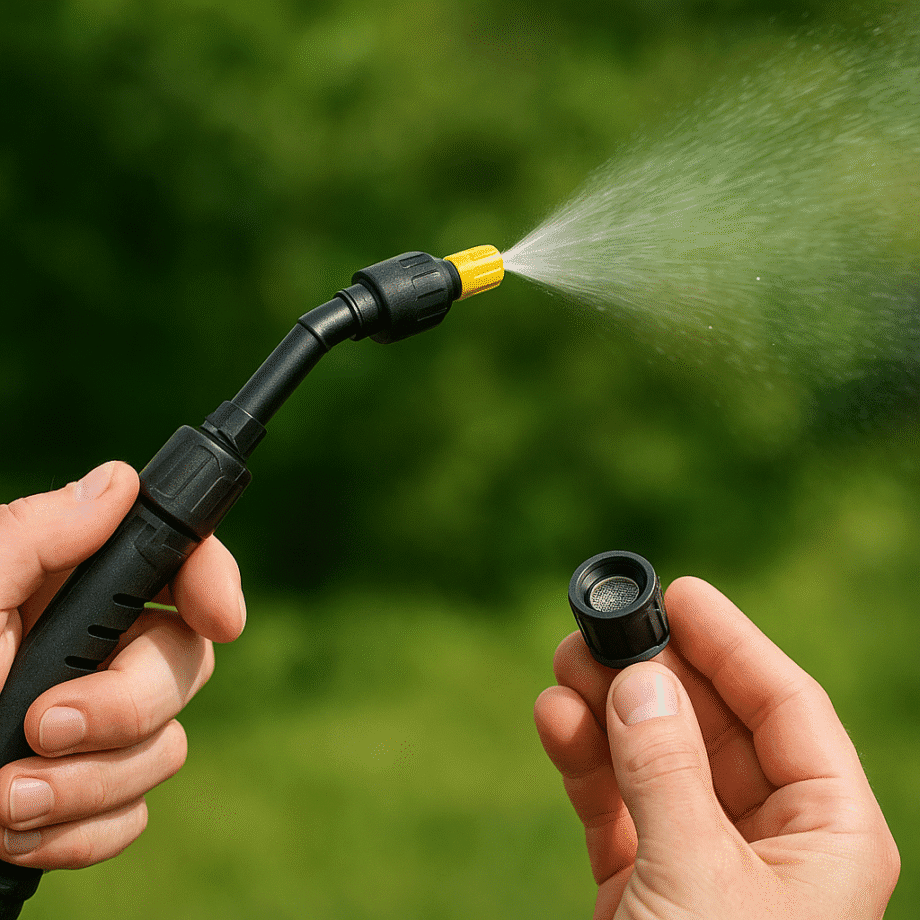
Maintaining sprayer nozzles is essential for achieving consistent application rates and preventing costly mistakes in the field. Proper upkeep not only extends the life of your equipment but also ensures crops receive the right dose of fertilizers, herbicides, or pesticides. A well-maintained system reduces drift, improves coverage, and promotes sustainable farming practices.
Understanding Sprayer Nozzle Types and Their Roles
Selecting the correct nozzle for a given task is the foundation of effective spray operations. Nozzles influence droplet size, spray angle, and flow rate, all of which contribute to uniformity across the target area.
The Importance of Nozzle Selection
- Fine droplets suit fungicide applications but are prone to drift.
- Coarse droplets reduce drift risk but may sacrifice canopy penetration.
- Nozzle angle dictates overlap patterns, with 80° and 110° being common for ground rigs.
Materials and Construction
Nozzles are typically made from brass, stainless steel, ceramic, or plastic. Each material carries its own advantages:
- Brass: Economical but prone to wear with abrasive chemicals.
- Stainless steel: Durable, corrosion-resistant, ideal for abrasive formulations.
- Ceramic: Highest wear resistance and longest lifespan; excellent for high-velocity applications.
- Plastic: Lightweight and inexpensive, but can degrade in UV exposure or harsh solvents.
Routine Inspection and Cleaning Procedures
Consistent maintenance schedules prevent buildup and prolong component life. A neglected nozzle can reduce flow rates by up to 50%.
Visual Inspection Steps
- Remove the nozzle tip and cap.
- Check for chips, cracks, or irregularities on the orifice.
- Inspect strainers for debris and chemical residue.
Cleaning Methods
- Rinse parts in clean water—avoid using metal probes that can alter the orifice shape.
- Use a soft brush or compressed air to clear minor clogging.
- For stubborn deposits, soak in a mild cleaning solution (e.g., ammonia-based detergent) for no more than 30 minutes.
- Rinse thoroughly and allow all components to air-dry before reassembly.
Calibration for Even Coverage
Regular calibration ensures that your sprayer delivers the precise amount of product required for optimal results. Even slight deviations in pressure or nozzle flow can lead to under- or over-application.
Conducting a Nozzle Flow Test
- Set the sprayer to operating pressure.
- Collect spray from each nozzle for a timed interval (e.g., 1 minute).
- Measure the volume and compare it to the manufacturer’s specification.
- Replace nozzles that deviate by more than ±5% of the standard flow.
Adjusting Spray Pressure
Pressure affects droplet size: higher pressures yield finer droplets, while lower pressures produce coarser ones. Use a pressure gauge to make precise adjustments:
- Verify the gauge’s calibration annually.
- Aim for a consistent pressure within 5% of your target.
- Account for pressure losses in long plumbing runs.
Advanced Maintenance Techniques
Beyond routine cleaning and inspection, implementing advanced protocols can dramatically increase reliability and performance.
Filtration and Strainer Management
- Install a primary filter (150 mesh) at the tank outlet and a secondary filter (50 mesh) before the nozzles.
- Clean filters daily during peak spraying season.
- Replace filter elements at the first sign of damage or clogging to avoid blockages.
Seasonal Storage and Winterization
- Flush the entire system with a neutralizing agent to remove chemical residues.
- Drain all lines and blow out residual water with compressed air to prevent freeze damage.
- Store nozzles in labeled containers to avoid mismatching and ensure quick reassembly in spring.
Troubleshooting Common Nozzle Issues
Even well-maintained systems can develop problems over time. Early detection is key to avoiding wear-related inefficiencies and crop loss.
Addressing Clogs and Fines
- If spray patterns exhibit streaking or missing bands, inspect for partial blockages.
- Backflush nozzles by running clean water backward through the tip.
- Consider inline ultrasonic cleaning for heavily contaminated systems.
Correcting Drift and Uneven Patterns
When droplets are too fine, drift risk increases substantially. Conversely, oversized droplets can lead to poor coverage in dense canopies.
- Reduce pressure or select an air-induction nozzle to enlarge droplet size.
- Verify boom height remains constant; even a 10% deviation can impact uniformity.
- Use wind sensors to avoid spraying in unfavorable conditions.
Implementing a Maintenance Log System
Keeping detailed records of inspections, replacements, and calibrations fosters accountability and allows data-driven decision-making.
Key Log Elements
- Date and duration of each maintenance activity.
- Serial numbers and materials of replaced nozzles.
- Pressure readings and flow rates from each calibration session.
- Any observed wear patterns or recurring blockages.
Benefits of Digital Tracking
Utilizing software or mobile apps to record maintenance events enables automatic alerts for upcoming service intervals. This proactive approach reduces downtime and ensures peak sprayer performance throughout the season.