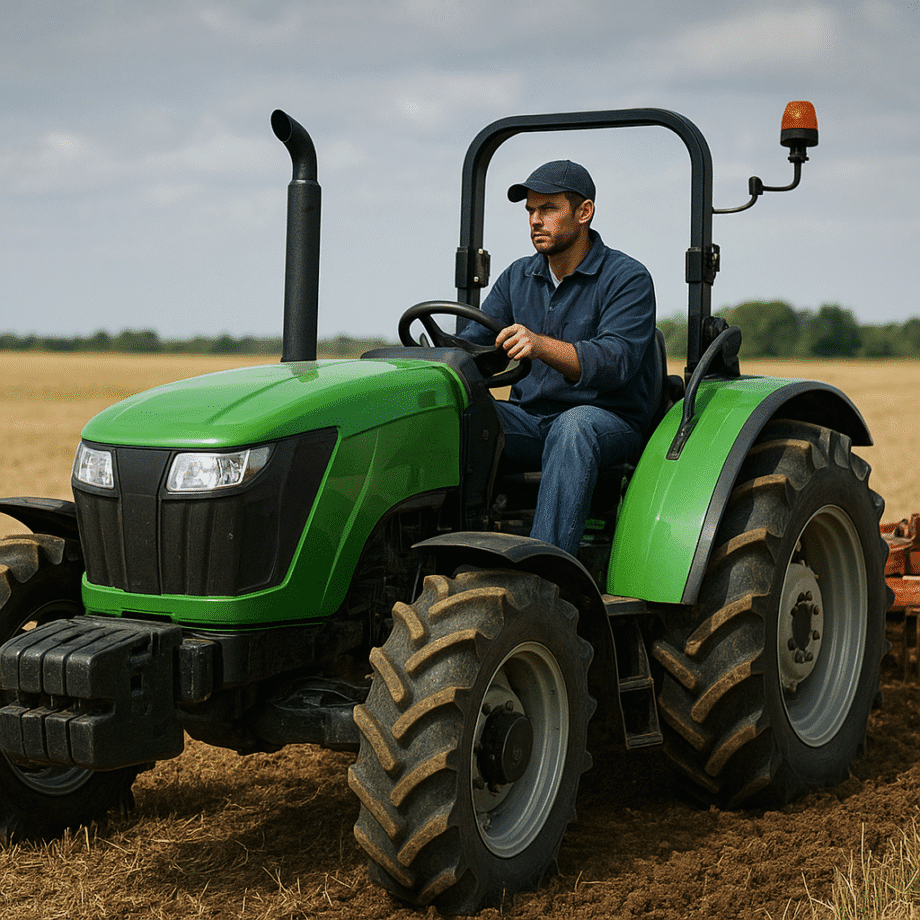
Selecting an agricultural machine that can handle diverse field operations while keeping running costs in check demands a well-rounded strategy. Farmers and contractors must weigh factors such as mechanical capacity, operational expenses, and long-term reliability. This article explores how to strike the ideal balance between robust power and optimal efficiency when choosing the right tractor for modern farming challenges.
Understanding Power Requirements
Different agricultural tasks call for varying levels of engine output and torque. Plowing heavy soil or pulling large implements requires high levels of mechanical performance, while lighter duties such as mowing or light cultivation may allow for smaller units. Assessing the peak horsepower and continuous tractive effort needed for each job is the first critical step.
Consider soil type, field slope, and typical weather conditions when defining power needs. Hard, compacted ground or steep inclines will demand more force to maintain productivity, whereas sandy or loamy soils might ease draft load. Matching engine output to terrain and equipment weight ensures that the machine operates within its optimal performance window.
- Implement size and weight vs. rated machine horsepower
- Soil composition and moisture as load variables
- Frequency of high-draft tasks (e.g., deep tillage)
- Seasonal demands like planting vs. harvest-time operations
Quantifying the required drawbar pull and calculating dynamic loads allows for an informed choice of a drivetrain package capable of handling peak demands without oversizing the equipment.
Evaluating Fuel Efficiency
Fuel is often one of the largest operational expenses on a farm. Innovations in engine design, including variable-geometry turbochargers and advanced injection systems, have driven significant gains in fuel consumption reduction. Evaluating different models’ real-world miles-per-gallon (or liters-per-hectare) performance can highlight potential savings.
Manufacturers now offer emissions-compliant engines that maintain efficiency across a broad RPM range. Tier 4 Final or Stage V compliant units use selective catalytic reduction (SCR) or diesel particulate filters (DPF) to meet stringent standards without sacrificing low-end torque.
- Comparative lab vs. field fuel burn rates
- Idle-stop functionality and auto engine shut-off
- Engine mapping for load-sensing based management
- Weight optimization to minimize unnecessary drag
When selecting a machine, budget not only acquisition costs but also projected annual fuel expenses. A slightly higher capital investment in a more efficient engine can pay dividends through reduced expenditures year after year.
Key Features to Consider
Engine Specifications
Beyond rated horsepower, consider torque curves and power bulge characteristics. A broad, flat torque band ensures consistent drawbar performance under varying loads. Look for models offering an electronic engine management system that adapts fuel delivery to instantaneous demand.
Additional factors:
- Compression ratio and thermal efficiency
- Charge-air cooling or intercooler capacity
- Service intervals for oil and filter changes
Transmission Options
Transmission design directly impacts operational flexibility. Options range from manual gearboxes to continuously variable transmissions (CVT). A transmission with a high number of gears or stepless control allows the operator to maintain the engine in its peak efficiency range, reducing fuel usage and improving field speeds.
Transmission choices:
- Powershift: segment-based gear changes under load
- CVT: smooth, infinite ratio shifts for consistent speed
- IVT (Infinitely Variable Transmission): combines hydrostatic and mechanical efficiencies
Hydraulic Systems
Modern implements demand substantial hydraulic flow to power attachments such as loaders, balers, and planters. Evaluate pump capacity, oil cooler size, and circuit designs. A closed-center, load-sensing system will allocate pressure only where needed, conserving engine power and reducing heat buildup.
Consider total flow rate, auxiliary ports, and implement compatibility. Machines that allow for dual or tandem pumps can simultaneously operate multiple tools without performance lag. Reliable hydraulics minimize downtime and optimize cycle times in repetitive tasks.
Comfort and Ergonomics
Operator fatigue and productivity go hand-in-hand. A well-insulated cab, adjustable suspension seat, and intuitive control layout contribute to lower stress and improved decision-making. Features such as climate control, suspension axles, and noise reduction dampen fatigue over long work days.
Additionally, electronic monitoring systems with touchscreen displays provide real-time data on engine parameters, fluid levels, and job progress. Connectivity options allow remote diagnostics and firmware upgrades to keep the machine performing at its best.
Implementation and Maintenance Practices
Proper upkeep is essential to preserve the balance between power delivery and efficiency. A scheduled maintenance plan, aligned with manufacturer recommendations, extends component life and reduces unexpected failures. Tasks include lubrication, filter replacement, belt inspections, and software updates.
Operator training also plays a pivotal role. Familiarity with engine load management, gear selection, and hydraulic control can improve overall performance. Investing in hands-on instruction for staff ensures that machines run under optimal conditions and deliver peak productivity.
- Daily pre-start checks of fluid levels and connections
- Periodic calibration of injection systems and sensors
- Seasonal inspection of cooling and air intake pathways
- Record-keeping for service intervals and part replacements
Tracking total cost of ownership (TCO) metrics, including downtime, repairs, and fuel expenses, helps calculate the machine’s return on investment. A strong ROI will result when power requirements align closely with usage patterns and ongoing operational costs remain controlled.