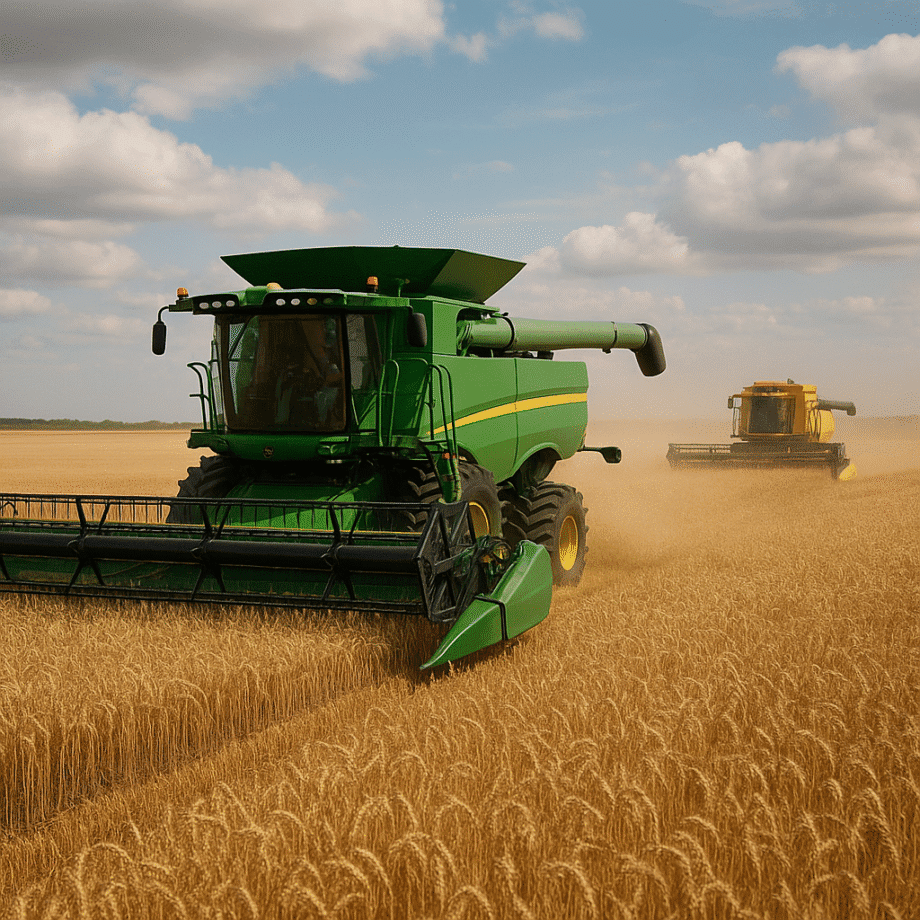
Farmers around the globe are continually seeking ways to boost productivity while minimizing costs and environmental footprint. The Most Efficient Harvesting Machines on the Market have transformed the landscape of modern agriculture by delivering unparalleled performance, cutting-edge technology, and user-friendly features. From vast grain fields to specialty crops, a new generation of machinery harnesses automation, precision navigation, and real-time data to optimize every step of the harvesting process. This article explores the latest innovations, highlights key criteria for selecting the right equipment, and examines strategies to ensure long-term reliability and value.
Advanced Combine Harvesters Revolutionizing Grain Harvesting
Combine harvesters remain the workhorses of cereal production, and manufacturers continuously push the boundaries of efficiency, capacity, and sustainability. Modern machines feature wider headers, stronger threshing systems, and integrated digital solutions that maximize throughput while preserving grain quality.
Enhanced Throughput and Fuel Economy
- Variable-speed threshing drums and adjustable concaves allow operators to tailor machine settings to crop conditions, reducing losses and ensuring a high recovery rate.
- High-capacity cleaning sieves and powerful fans deliver cleaner grain with minimal dockage, improving net yield on every pass.
- Advanced engine management systems optimize fuel consumption based on load, terrain, and harvesting speed, lowering operating costs and emissions.
Precision Farming Integration
- GPS-based auto-steer systems guide combines along optimal tramlines, minimizing overlap and ensuring uniform field coverage.
- Yield mapping and moisture sensors provide real-time feedback, enabling farmers to identify zones of variable performance and make data-driven decisions for subsequent planting or inputs application.
- Telematics solutions transmit machine performance metrics and maintenance alerts to mobile apps or desktop dashboards, improving fleet management and reducing downtime.
Next-Generation Grain Handling Systems
Innovations such as high-capacity grain tanks, rapid unloading augers, and on-the-go weighing modules facilitate continuous operation and faster field turnaround. Streamlined grain pathways limit spillage and breakage, helping to preserve kernel integrity for premium market standards.
Specialized Harvesters for Diverse Crops
Beyond grain, modern agriculture demands machines engineered for the unique requirements of crops like forage, cotton, potatoes, grapes, and sugar beets. Dedicated harvesters combine versatility and customization to deliver top performance in any environment.
Forage Harvesters
- High-torque chopping heads and adjustable flails process corn, grass, and sorghum into uniform silage, ensuring efficient packing and optimal fermentation.
- Crop flow sensors monitor material density and adjust chopping length automatically, reducing wear on components and preserving nutritional value.
- Precision spout control and variable blower speeds ensure uniform distribution into trailers, maximizing payload and minimizing losses during transport.
Cotton and Specialty Crop Pickers
- Multi-row pickers use gentle pneumatic or spindled systems to pluck cotton bolls without damaging fibers, delivering high-quality lint.
- Selective harvesting mechanisms differentiate between mature and immature pods in nut orchards, improving overall crop quality and reducing waste.
- Integrated cameras and near-infrared sensors guide pickers in vineyards or fruit orchards, enabling sophisticated fruit recognition and selective harvesting for premium markets.
Root Crop and Tuber Harvesters
Trenchers with adjustable digging depth, shaker rollers, and separation belts are tailored for potatoes, carrots, and beets. Advanced cleaning grids and gentle conveyor systems prevent bruising and ensure potatoes arrive at storage facilities in optimal condition, preserving market value and reducing spoilage.
Integrating Technology and Sustainability in Modern Machinery
Sustainability has shifted from a buzzword to a core design principle for agricultural equipment. Manufacturers now emphasize eco-friendly materials, reduced carbon footprints, and systems that support regenerative practices.
Green Power and Hybrid Solutions
- Electric drive systems and hybrid diesel-electric powertrains cut fuel consumption by up to 20%, slashing greenhouse gas emissions.
- Solar-assisted telematics towers and auxiliary power units maintain onboard electronics and climate control without idling the main engine.
- Biodegradable hydraulic fluids and low-friction seals reduce chemical impact on soil and groundwater resources.
Smart Agriculture Ecosystems
- Connected sensor networks collect soil moisture, nutrient levels, and weather data to guide variable-rate technology (VRT) for seeding, fertilizing, and spraying operations.
- Cloud-based platforms aggregate field data across different machines and seasons, offering insights into long-term soil health and resource management.
- AI-driven crop models predict harvest windows and yield potential, enabling proactive scheduling and better supply chain coordination.
Circular Economy and Lifecycle Management
Recyclable components, modular designs for easy part replacement, and remanufacturing programs promote a circular approach. Farmers and dealers can trade in older machines for rebuild credits, ensuring that materials stay in productive use and operational reliability remains high throughout the equipment lifecycle.
Maintenance and After-Sales Support Strategies
Optimal performance of high-tech harvesting machinery depends on rigorous maintenance and a robust support network. Proactive service plans and specialized training can significantly extend equipment life and minimize unplanned downtime.
Proactive Maintenance Programs
- Condition-monitoring sensors track vibration, temperature, and fluid levels in critical components, issuing alerts before failures occur.
- Scheduled inspections during off-seasons address wear on belts, bearings, and hydraulic hoses, ensuring machines are field-ready.
- Digital service logs and remote diagnostics allow technicians to identify issues promptly and carry the correct replacement parts on service calls.
Training and Operator Education
- Immersive simulators teach new operators machine controls, safety protocols, and basic troubleshooting in a risk-free environment.
- Mobile apps provide step-by-step guides for routine tasks such as blade sharpening, filter replacement, and software updates.
- Certified workshops led by manufacturer experts cover advanced diagnostics, calibration of sensors, and performance tuning for varied crop conditions.
Parts Availability and Warranty Coverage
Strong dealer networks ensure rapid delivery of genuine components, reducing idle time during peak harvest seasons. Comprehensive warranties, extended service agreements, and bundled telematics subscriptions guarantee that farmers receive prompt support and maintain high levels of operational efficiency.