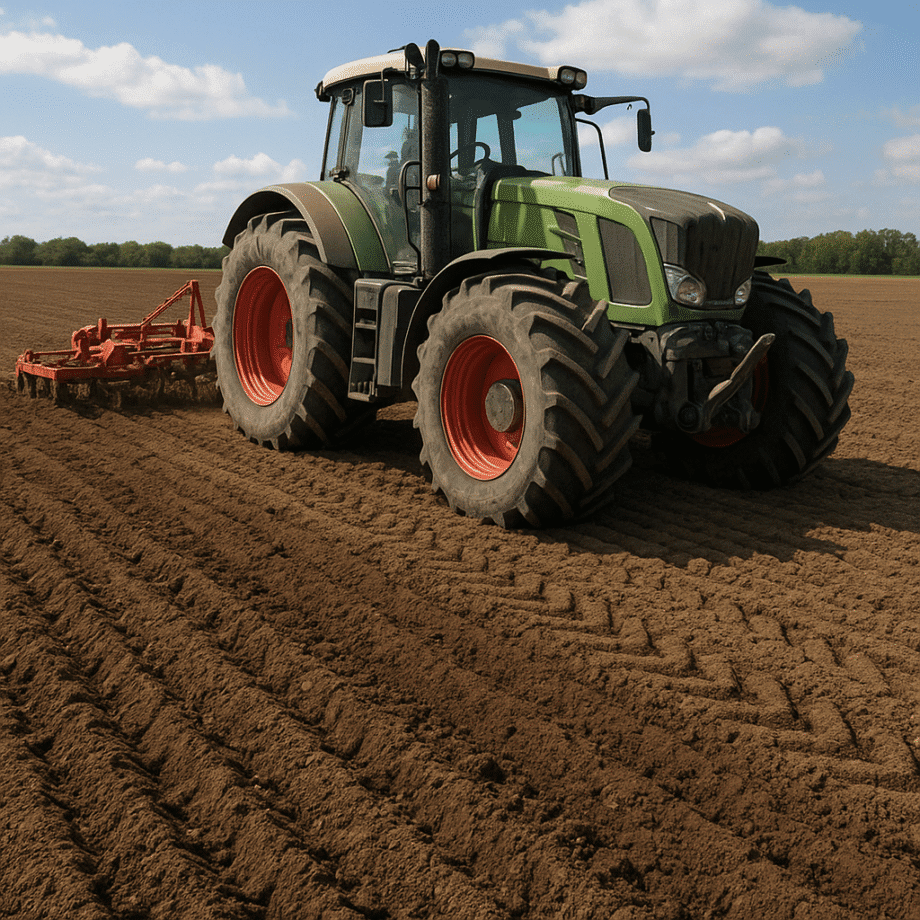
The relationship between heavy farm equipment and the condition of cultivable ground has become a critical topic among agronomists and producers. Understanding how varying levels of machinery weight affect the underlying soil can drive innovations in design, field management, and long-term productivity. This article explores the interplay between load characteristics, ground pressure, and soil structure, while proposing methods to mitigate negative consequences and promote sustainable agriculture practices.
Agricultural Machinery in Modern Farming
The rapid development of tractors, combines, and specialized implements has revolutionized field operations. Current fleets often exceed several tons, combining power with advanced electronics. While large machines can cover more acres in shorter time, they generate higher ground contact pressure, which can aggravate soil compaction. Engineers now focus on design features like flotation tires, tracks, and optimized axle loads to balance performance with minimal impact on soil health.
Key categories of equipment include:
- Tractors and prime movers with variable ballast systems
- Harvest machinery such as combines and forage harvesters
- Implements for seeding, spraying, and nutrient application
- Tillage equipment ranging from disc harrows to deep rippers
Each category exerts unique patterns of stress, influenced by machine weight distribution, tire or track width, and operating speed. Proper calibration of tyre pressure and suspension settings plays a vital role in minimizing localized peaks of pressure and preserving soil porosity.
Mechanics of Soil Compaction
When heavy equipment traverses a field, it imposes vertical and horizontal stresses on the soil matrix. Repeated passes cause particles to pack more tightly, reducing pore space and impeding root growth. The degree of compaction depends on multiple factors, including load magnitude, number of wheel passes, and soil physical properties such as texture and water content.
Soil Layers and Stress Distribution
Soil comprises distinct horizons. The upper layer often undergoes the greatest compression due to wheel contact, but stress is transferred downward, affecting the subsoil layer. Deep compaction can restrict deep-water infiltration and lead to perched water tables during wet periods, heightening risks of erosion and nutrient leaching.
Influence of Moisture and Texture
Soil moisture conditions critically influence the threshold at which compaction occurs. Wet soils deform more easily under load, making timing of field operations crucial. Clay-rich soils exhibit higher cohesion and are vulnerable at certain moisture content levels, while sandy soils may resist compaction but face issues with stability and traction.
High clay content creates plasticity, meaning compaction may persist even after loads are removed. In contrast, sandy loam soils rebound slightly but still suffer reductions in infiltration rate and increase in runoff potential.
Strategies to Minimize Compaction Effects
Mitigating soil compaction involves both machinery-based and management-focused techniques. Integrating multiple approaches can optimize field traffic and preserve critical soil functions.
- Controlled Traffic Farming: Confining machinery to fixed lanes prevents widespread compaction, allowing most of the field to remain undisturbed.
- Adjustable Axle Load: Use of pneumatic or hydraulic systems to change weight distribution, reducing contact pressure during transport phases.
- Wide Tires or Dual-Tire Assemblies: Increased footprint lowers ground pressure per unit area.
- Track Systems: Rubber or steel tracks distribute weight more evenly across the soil surface.
- Deep Ripping and Subsoiling: Mechanical loosening of compacted layers, though energy-intensive and only recommended when necessary.
- Cover Cropping: Root networks of certain species create biopores that enhance aeration and water conductivity.
Implementing a rotation of shallow and deep tillage can release compaction zones, but excessive disturbance risks degrading soil structure and diminishing organic matter reserves. Therefore, integrating biological solutions such as deep-rooted green manures offers low-impact remediation over long timeframes.
Balancing Efficiency and Soil Health
Optimizing field operations demands a delicate balance between mechanized efficiency and long-term resource efficiency. As farm sizes expand and labor availability changes, reliance on larger equipment grows. This trend, however, must be tempered by vigilance against irreversible soil degradation.
Emerging technologies such as precision guidance systems, real-time pressure monitoring, and data-driven analytics can help managers make informed decisions regarding load management and optimal field conditions. Remote sensing tools now allow identification of high-risk zones within a field, enabling targeted interventions rather than blanket solutions.
Innovations in tire design integrate variable stiffness elements to adapt contact pressure dynamically. Coupled with traction control and auto-deflation systems, machines can traverse wet areas without excessively damaging soil structure. The result is a more resilient field capable of sustaining high crop yield while attenuating environmental impact.
By embracing holistic strategies that consider machine design, operational timing, and soil biology, producers can unlock long-term benefits such as improved water infiltration, enhanced root penetration, and consistent nutrient cycling. Ultimately, the goal is to maintain productive soils that support profitable agriculture while safeguarding natural ecosystems for future generations.