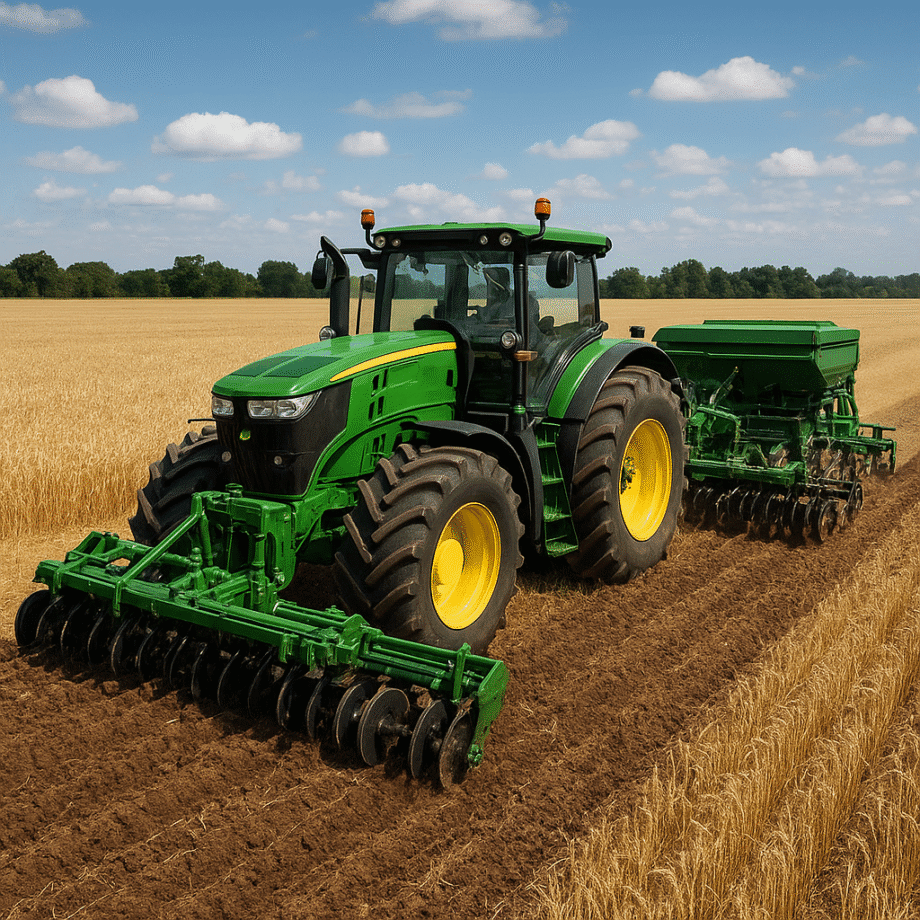
Modern agriculture faces the challenge of meeting rising food demands while maintaining economic and environmental balance. One of the most impactful trends is the rise of multi-functional farm machinery, devices designed to perform a variety of tasks with minimal downtime. By integrating advanced features into a single equipment platform, farmers can unlock higher productivity, lower operating costs, and bolster sustainable practices.
Efficient Resource Management with Multi-Functional Machinery
Optimizing the use of inputs such as fuel, water, and labor is crucial on today’s farms. Multi-purpose tractors and implements can switch seamlessly between tillage, planting, and fertilizing roles, reducing the need for multiple machines. This consolidation minimizes idle periods, lowers fuel consumption, and decreases total man-hours spent on routine operations.
Fuel and Time Savings
- Single-engine operation eliminates multiple start-ups, cutting fuel use by up to 20%.
- Rapid attachment swaps enable same-day cultivation and seeding, maximizing field window opportunities.
- Integrated hydraulics support several implements without extra pumps or hoses.
As a result, farmers can allocate resources toward more critical activities—such as field scouting or precision spraying—rather than routine changeovers.
Versatility and Adaptability in Modern Farming
Farming conditions vary widely by region, season, and crop type. Multi-functional machines equipped with modular attachments meet these challenges through versatility and adaptability. Whether shifting from plowing to seeding or from harvesting to post-harvest residue management, operators can switch tasks in minutes.
- Adjustable cutting heads for cereals, legumes, and oilseeds.
- Convertible rollers that handle small seeds one day and large grains the next.
- Compatibility with both mechanical and pneumatic delivery systems.
These flexible platforms also allow smaller operations to tackle a wide range of jobs without investing in multiple single-purpose machines, promoting smarter capital deployment.
Cost-Effectiveness and Return on Investment
Farm machinery represents a major capital outlay, often accounting for 20–30% of total production costs. Selecting multi-functional equipment can enhance cost-effectiveness by:
- Reducing initial purchase expenses when one machine replaces two or three.
- Consolidating maintenance schedules—oil changes, part replacements, and inspections occur on a single platform.
- Simplifying training and operator certification, which cuts administrative overhead.
Over a machine’s life cycle, lower depreciation, reduced insurance premiums, and extended resale value of high-tech units all contribute to an improved return on investment.
Precision Agriculture and Technological Integration
Integrating advanced technology is at the core of multi-functional farm machinery. Today’s implements often feature on-board sensors, GPS-guided steering, and real-time telemetry, driving gains in precision and automation.
Smart Controllers and Data Analytics
- Variable-rate application systems adjust fertilizer or seed rates on the go.
- Section control eliminates overlap and reduces input waste.
- Machine-to-machine data exchange allows implements to coordinate tasks efficiently.
With cloud-based dashboards, farmers can monitor performance metrics—fuel burn, operational speed, coverage area—and fine-tune settings for optimal outcomes.
Sustainability and Environmental Benefits
Reducing the ecological footprint of agriculture demands equipment that promotes soil health, lowers emissions, and conserves resources. Multi-functional machinery plays a pivotal role in achieving these goals.
- Minimal tillage attachments preserve soil structure and moisture.
- Precision placement of inputs reduces runoff and contamination of water bodies.
- Engine optimization and exhaust after-treatment systems cut greenhouse gas emissions.
By combining tasks into fewer passes across the field, farmers limit sustainability risks associated with soil compaction and biodiversity disruption.
Durability and Maintenance Advantages
High-quality multi-purpose machines are engineered for durability under a variety of conditions. Key design considerations include:
- Reinforced chassis and axles that withstand both heavy payloads and rough terrain.
- Sealed bearings and corrosion-resistant coatings that extend service intervals.
- Advanced diagnostics systems that alert operators to potential faults before breakdowns.
Routine upkeep is streamlined: a single service visit addresses all integrated components rather than sending multiple machines to different specialists.
Innovation in Attachment Design
The heart of multi-functional machinery lies in its attachments. Manufacturers continually push the envelope of innovation, offering quick-hitch systems, universal hydraulic connectors, and plug-and-play ECU modules. These features enable fast changes without specialized tools and reduce downtime during peak seasons.
- Color-coded hydraulic couplers prevent misconnection.
- Electronic calibration routines auto-adjust to new implements.
- Lightweight composite materials improve handling without sacrificing strength.
Future Trends and Emerging Technologies
Looking ahead, the next generation of multi-functional farm machines will integrate robotics, AI, and even autonomous driving capabilities. Anticipated developments include:
- Self-driving tractors that operate continuously with minimal supervision.
- AI-powered decision engines that recommend machine settings based on crop stage and weather forecasts.
- Swarm configurations where multiple small robotic platforms collaborate on a single task.
Such innovations will further elevate overall efficiency and enable farmers to tackle labor shortages more effectively.
Building a Robust Agricultural Ecosystem
For best results, multi-functional machinery should integrate into a cohesive farm management system. Key elements to consider include:
- Universal communication protocols for seamless data sharing.
- Operator training programs that cover multiple use cases.
- Service networks equipped to handle diverse maintenance needs.
When equipment, software, and support services align, farmers unlock the full potential of modern farming solutions. Embracing these platforms translates directly into improved yields, reduced waste, and a stronger bottom line.